

A Guide to Fuel Injectors for the 2000-2014 Subaru Outback
Address rough idling, misfires, and poor fuel economy in your Outback by understanding how to choose the right fuel injectors.
- Symptoms like rough idle, misfires, and poor MPG are common signs of a failing fuel injector in a Subaru Outback.
- Subaru recommends a professional carbon cleaning before injector replacement, as carbon buildup can cause identical symptoms.
- Hitachi is an Original Equipment (OE) supplier for Subaru, making it a top-tier choice for aftermarket replacement injectors.
- For best results and to prevent future issues, always replace fuel injectors as a complete set with new, lubricated O-rings.
Is Your Outback's Engine Running Rough?

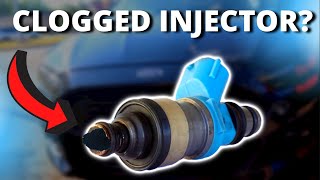
A faulty fuel injector can cause a range of noticeable engine problems. Over time, injectors can get clogged with fuel deposits, wear out internally, or develop electrical faults. Symptoms often start small but can lead to more serious issues if ignored. Paying attention to the signs can help you diagnose the problem before it leads to more expensive repairs, like damage to your catalytic converter.
Symptoms of a Failing Fuel Injector

If your Outback is experiencing any of these issues, a bad fuel injector could be the cause:
- Rough Idle: The engine shakes or vibrates more than usual when you're stopped.
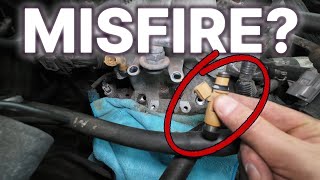
- Engine Misfires: You may feel a stuttering or jerking sensation while driving, often accompanied by a flashing check engine light.
- Poor Acceleration: The car feels sluggish or hesitates when you press the gas pedal.
- Worse Fuel Economy: You find yourself filling up the gas tank more often than you used to.
- Fuel Smell: A strong smell of raw gasoline around the vehicle could indicate a leaking injector, which is a serious fire hazard.
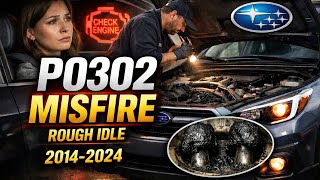
- Check Engine Light: Codes related to the fuel injector circuit (P0200-P0208) or cylinder misfires (P0300-P0306) are common.
Carbon Buildup Can Mimic Injector Failure
Subaru has issued Technical Service Bulletins (TSBs) noting that carbon buildup on internal engine parts can cause the same symptoms as a bad fuel injector, such as misfires and rough running. Before replacing your injectors, it is highly recommended to have a professional induction or fuel system cleaning performed. This less expensive step often solves the problem without needing to replace parts.
Choosing the Right Aftermarket Fuel Injector

When shopping for new aftermarket injectors, quality and compatibility are key. For a critical component like this, choosing a reputable brand that matches the original factory performance is important for keeping your Outback running smoothly. Aftermarket brands can be grouped into tiers based on their reputation and relationship with original equipment (OE) manufacturers.
Tier 1: OE-Equivalent Brands
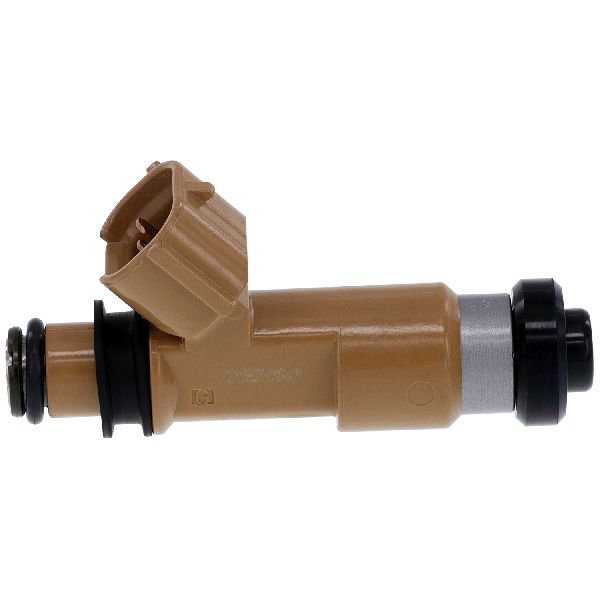
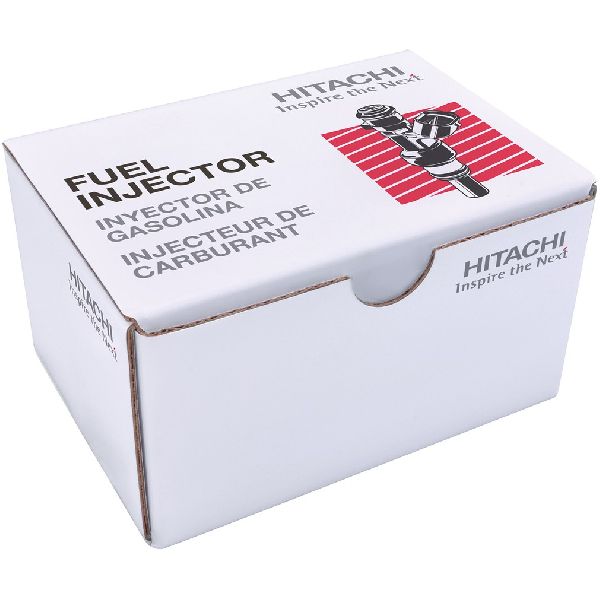
Hitachi: Hitachi is an Original Equipment (OE) parts supplier for Subaru. Choosing a Hitachi injector means you are getting a part with the same fit, flow rate, and spray pattern as the one your Outback came with from the factory. For reliability and guaranteed compatibility, Hitachi is a top choice.
Tier 2: High-Quality Aftermarket Brands
Standard Motor Products (SMP): SMP is a well-regarded aftermarket manufacturer that invests heavily in testing to ensure their injectors match OE performance. They are known for good quality control and are a reliable alternative to OE parts. While not an OE supplier, they have a long history of making dependable engine management components.
Tier 3: Import Specialist Brands
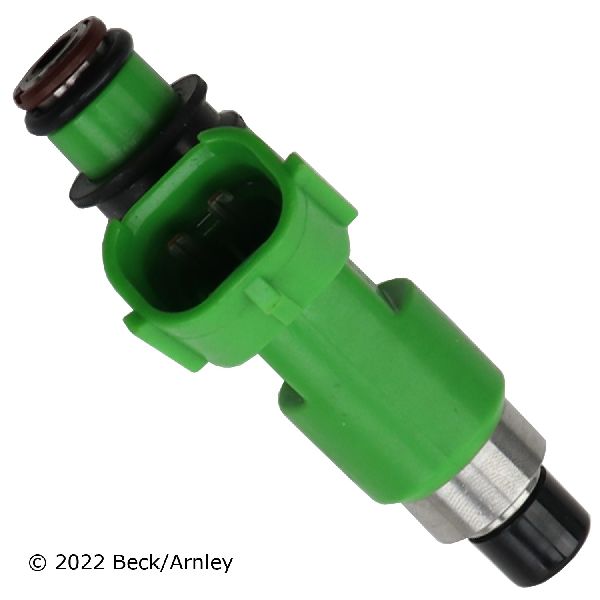
Beck Arnley: Beck Arnley specializes in parts for import vehicles. Their strategy involves sourcing parts from various global manufacturers, sometimes including the original OE supplier. This means a Beck Arnley part could be a repackaged OE injector. However, quality can be inconsistent depending on the source for a specific part, and some user reviews are mixed.
Pro Tip: Replace as a Set
If one fuel injector has failed, the others are likely not far behind. To ensure balanced fuel delivery and consistent engine performance, it is best practice to replace all fuel injectors at the same time.
Cost of Replacing Fuel Injectors on a 2000-2014 Subaru Outback

| Part Type | Estimated Cost (Per Injector) |
|---|---|
| New OEM | $350 - $500 |
| New Aftermarket | $58 - $331 |
| Remanufactured | $40 - $100 |
| Shop Labor | $200 - $400 (for the set) |
Note: Costs are estimates and will vary based on your location, vehicle specifics, and the parts chosen. Labor costs are for replacing the full set of injectors.
Frequently Asked Questions
Can I clean my fuel injectors instead of replacing them?
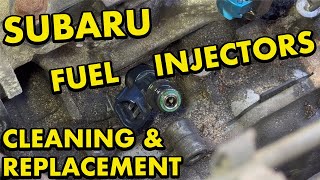
Yes, and it's often recommended to try this first. There are two methods: using a fuel additive cleaning kit, which is a simple DIY task, or a professional off-car ultrasonic cleaning service. If an injector has failed mechanically or electrically, cleaning will not fix it, and replacement is necessary.
Should I replace one injector or the whole set?
It is highly recommended to replace all of your fuel injectors at once. Fuel injectors wear at a similar rate. Replacing just one can lead to an imbalanced engine where cylinders receive different amounts of fuel, causing continued performance issues.
Is a fuel smell from my car dangerous?
Yes, a raw fuel smell is very dangerous and indicates a leak. If you smell fuel, do not start the car due to the risk of fire. Have your vehicle inspected by a professional mechanic immediately.
What are common mistakes when replacing fuel injectors?
A common mistake is reusing old O-rings. These seals are critical for preventing fuel leaks and should always be replaced. It's also important to lubricate the new O-rings with clean engine oil before installation to ensure a proper seal and prevent damage. Finally, make sure the injector ports on the engine are clean before inserting the new parts.
Helpful Videos
Technical Specifications
OEM Part Numbers: 16611-AA700 16611-AA680 16600-AA170 16611-AA720 16611AA88A
Fuel injectors for the 2000-2014 Subaru Outback are top-feed, electronic multi-port fuel injectors. They are specific to the engine size (2.5L H4, 3.0L H6, or 3.6L H6) and model year. Always verify the part number and fitment for your specific vehicle before ordering.
We Have This Part in Stock


The information in this article is provided for general reference and educational purposes only. Vehicle specifications, procedures, and part compatibility can vary by production date, trim level, and region. Always consult your vehicle's factory service manual and verify part numbers before purchasing or performing repairs. Safety-critical components such as airbags, seat belts, and braking systems should be installed by a qualified professional.
- Subaru Outback: