

Ford F-150 Relay Guide for 2000-2013 Models
Having starting or electrical issues with your F-150? A simple relay could be the culprit.
- A single click with no crank often points to a bad starter relay.
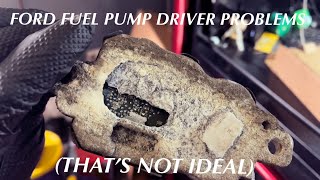
- For 2004-2008 models, always check the Fuel Pump Driver Module (FPDM) for corrosion before replacing a fuel pump relay for a no-start issue.
- Use the 'swap test' with a known good relay from a non-critical system (like the horn) to quickly diagnose a bad relay.
- For 2009-2014 models, check for a melted fuel pump fuse (Fuse 27) as per TSB 15-0137 before suspecting the relay itself.
Is a Bad Relay Causing Your F-150's Problems?

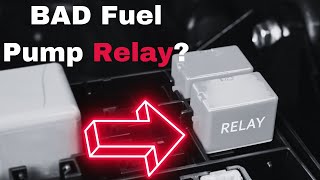
A failing relay can cause some frustrating and confusing symptoms in your 2000-2013 Ford F-150. Because relays control so many different parts, the signs of failure can vary. The most common issue is a no-start condition, where you turn the key and hear a single click from the fuse box but the engine doesn't crank. This often points to a bad starter relay. Another frequent problem is an engine that cranks but won't start, which can be caused by a faulty fuel pump relay. 🎬 Watch this video to learn common fuel pump relay failure signs. You might also experience intermittent failure of other systems, like the air conditioning, lights, or 4x4 engagement, depending on which relay has failed.
A Note on Fuel-Related Issues (2004-2008 F-150)
If your truck cranks but won't start or is bucking and stalling, be aware of the Fuel Pump Driver Module (FPDM). This part, located on a frame crossmember near the spare tire, is known to corrode and fail. Its symptoms are often identical to a bad fuel pump relay. Many owners replace the relay or even the entire fuel pump when the FPDM was the actual problem. Always inspect the FPDM for corrosion or damage before replacing other fuel system parts.
🎬 See why the fuel pump driver module often causes starting issues.Choosing the Right Aftermarket Relay

For a common part like a relay, an aftermarket replacement is a practical and cost-effective choice. The technology is simple and has been used for decades. Brands like Replacement offer a direct-fit part that performs just like the original without the higher cost of an OEM part from the dealer. Since relays are essentially plug-and-play, there is little risk in opting for a quality aftermarket version for your F-150. Many owners keep a few spare relays in their glove box for quick roadside fixes.
Known Issues, Recalls, and TSBs

While there are no widespread recalls specifically for relays on the 2000-2013 F-150, some related issues are important to know:
- TSB 15-0137 (2009-2014 F-150): This Technical Service Bulletin addresses an issue where the fuel pump fuse (Fuse 27) in the under-hood fuse box can overheat and melt. This interrupts power to the fuel pump relay and causes a crank-no-start condition. The official fix involves a kit (Part No. EL3Z-14293-A) to relocate the fuse to a more robust circuit in the fuse box.
- Soldered Fuel Pump Relay (2004-2005 F-150): On these specific model years, the fuel pump relay is unfortunately soldered directly to the fuse box circuit board and is considered non-serviceable by Ford. If this relay fails, the entire fuse box may need to be repaired or replaced.
| Part Type | Estimated Cost |
|---|---|
| New OEM Relay | $25 - $50 |
| New Aftermarket Relay | $17 - $19 |
| Used OEM Relay | $5 - $15 |
| Shop Labor for Diagnosis & Replacement | $50 - $120 |
Pro Tip: The Swap Test
The easiest way to test a suspicious relay is to swap it with an identical one from a non-essential circuit, like the horn or fog lights. These relays are often the same part number. If swapping the relays makes the problem go away (e.g., the truck starts but the horn doesn't work), you've found your bad relay. This simple test requires no tools and can save you from buying unnecessary parts.
Frequently Asked Questions

Where are the relays located on my F-150?
Most critical relays are in one of two places. For 2004-2013 models, there is a Power Distribution Box in the engine compartment, usually near the radiator. There is also an interior fuse panel, typically located in the passenger-side kick panel. Your owner's manual will have a diagram, but key relays like the starter and fuel pump are almost always in the engine bay box.
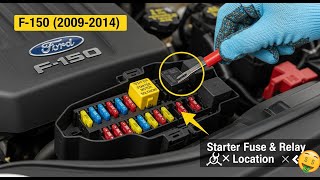
🎬 Find the exact starter fuse and relay locations for your truck.Can I replace a relay myself?
Yes, this is one of the easiest repairs you can do. Relays are designed to be unplugged from their socket and a new one plugged in. No tools are typically required, though sometimes a small pair of pliers can help grip a stubborn relay. Always disconnect the battery's negative terminal before working on electrical components.
What's the difference between a 4-pin and 5-pin relay?
A 4-pin relay is a simple ON/OFF switch. A 5-pin relay has an extra terminal that allows it to be a changeover switch, meaning it can direct current to one of two different circuits. It can be either normally open (OFF) or normally closed (ON). It's critical to use a relay with the correct pin configuration for your truck's circuit.
My truck just clicks once when I try to start it. Is it the relay?
A single, sharp click from the fuse box area when you turn the key is a classic symptom of a failed starter relay. The click you hear is the relay trying to activate but failing to send the high current needed to engage the starter motor. Performing the "swap test" mentioned above is a great way to confirm this.
Helpful Videos
Technical Specifications
OEM Part Numbers: F57B-14B192-AA 8L8T-14B192-AA FOAB-14B192-AA
Standard automotive relays used are typically 12V DC, with 4-pin or 5-pin configurations and amperage ratings from 20A to 40A.

The information in this article is provided for general reference and educational purposes only. Vehicle specifications, procedures, and part compatibility can vary by production date, trim level, and region. Always consult your vehicle's factory service manual and verify part numbers before purchasing or performing repairs. Safety-critical components such as airbags, seat belts, and braking systems should be installed by a qualified professional.
- Ford F-150: