

A Guide to Engine Valve Lifters for the 2000-2012 Dodge Dakota
Addressing the common ticking noise and choosing the right replacement valve lifters for your truck's engine.
- A ticking noise from your Dakota's engine is the number one symptom of a failing valve lifter, often caused by oil sludge or general wear.
- It is highly recommended to replace all lifters at the same time, not just the one that failed, to avoid repeat repairs.
- For best results and longevity, choose a premium aftermarket brand like Melling or Sealed Power.
- Before attempting a replacement, try an engine flush or a quality oil additive, as this can sometimes clear a blockage and quiet a noisy lifter.
Understanding Valve Lifter Issues in Your Dakota

If you own a 2000-2012 Dodge Dakota, especially one with a 3.7L V6 or 4.7L V8 engine, you might be familiar with a persistent ticking or tapping sound from the engine bay. This noise is a very common symptom of a failing or collapsed valve lifter. The sound is often most noticeable on a cold start and may quiet down as the engine warms up and oil pressure builds. While sometimes the noise is just an annoyance, it can also be a sign of bigger problems like oil sludge or low oil pressure that are starving the lifters of the oil they need to function. Ignoring a noisy lifter can eventually lead to more significant engine damage, including a damaged camshaft or rocker arms.
Common Causes of Lifter Failure

Several factors can lead to lifter failure in the Dakota's PowerTech engines:
- Oil Sludge: The 4.7L V8, in particular, is known for developing oil sludge if oil changes are not performed regularly. This sludge can block the very small oil passages that feed the hydraulic lifters, causing them to collapse and make noise.
- Incorrect Oil Viscosity: Using oil that is too thick or too thin can prevent the lifters from pumping up correctly. Some owners have reported that switching to the manufacturer-specified oil viscosity can quiet a noisy lifter.
- High Mileage Wear: Like any mechanical part, lifters can simply wear out over time. The internal seals can fail, or the surface that contacts the camshaft can become worn, leading to failure.
- Related Engine Issues: Problems like dropped valve seats, a known issue on 3.7L and 4.7L engines, can sometimes be misdiagnosed as a lifter tick. It's important to properly diagnose the source of the noise.
Is It a Lifter or an Exhaust Leak?
A ticking noise can also be caused by a broken exhaust manifold bolt, which is another common issue on the 4.7L V8. An exhaust leak tick is usually loudest when the engine is cold and may quiet down as the metal expands. A mechanic can help you tell the difference.
🎬 Watch: How to distinguish lifter tick from exhaust or rod noiseChoosing the Right Aftermarket Valve Lifters

When it's time to replace your lifters, you'll find several aftermarket options. It is highly recommended to replace all lifters at once, not just the single one that failed. This is because the labor is intensive, and if one has failed, others are likely nearing the end of their service life.
Brand Tiers
- Premium Brands (Melling, Sealed Power): Melling and Sealed Power are widely regarded as high-quality, reliable choices for engine components. Many professional mechanics trust these brands for being equivalent to or better than OEM quality. Melling in particular is often cited as a top choice for lifters and other valvetrain components.
- OEM-Specialty Brands (Crown Automotive): Crown Automotive specializes in parts for Jeep, Dodge, and Chrysler vehicles. While they offer a wide range of parts, their quality can sometimes be inconsistent depending on the specific component. They are a viable mid-range option.
- Budget-Friendly Brands (DNJ Engine Components, DJ Rock): Brands like DNJ are known for offering complete engine kits at a low price point. However, reviews from mechanics and engine builders are mixed, with some considering them to be lower-tier parts suitable for a budget rebuild but not for long-term reliability. If your budget allows, opting for a premium brand is a safer investment.
Pro Tip: Soak Your New Lifters
Before installation, it is critical to soak new hydraulic lifters in clean engine oil for several hours, or even overnight. This helps "pre-charge" them with oil, ensuring the valvetrain is properly lubricated on the first startup and reducing the chance of noise.
| Item | Estimated Cost |
|---|---|
| Aftermarket Lifter Set (16 lifters) | $150 - $450 |
| Shop Labor | $800 - $1,500+ |
| Total Professional Replacement | $950 - $1,950+ |
Frequently Asked Questions (FAQ)

Can I just replace the one bad lifter?
While you technically can, it's strongly advised against it. The labor involved to access the lifters is significant. If one lifter has failed due to wear or contamination, the others are likely in similar condition and may fail soon after. Replacing all of them at once saves you from having to do the job again in the near future.
Will an oil additive or engine flush fix my noisy lifter?
Sometimes, yes. If the ticking is caused by a small blockage or sludge, an engine flush or a specialized oil additive might clean the lifter and solve the problem. This is often a good first step as it's inexpensive. However, if the lifter is mechanically damaged or collapsed, no additive will fix it.
🎬 See this simple method to potentially fix lifter noiseAre there any recalls for Dodge Dakota valve lifters?
There are no specific recalls for valve lifters on the 2000-2012 Dodge Dakota. However, numerous Technical Service Bulletins (TSBs) exist for engine-related issues, including one for foamy oil emulsion which could relate to lubrication problems. Most recalls for this vehicle concern airbag inflators.
How difficult is it to replace valve lifters myself?
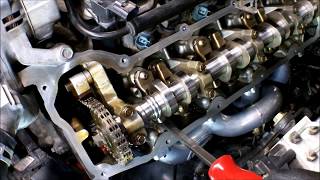
This is an advanced repair. On the Dakota's V6 and V8 engines, it requires removing the intake manifold, valve covers, rocker arm assemblies, and camshafts. It is not recommended for a beginner. An experienced DIY mechanic with the right tools could perform the job, but it is time-consuming and requires careful attention to detail.
🎬 Watch: Full walkthrough on replacing lifters and rockersHelpful Videos


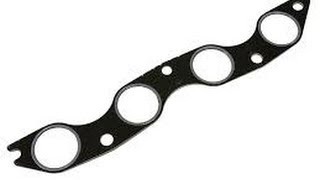
Technical Specifications
OEM Part Numbers: 53021726AD 53021726BC 53021726AE 53020910 53021572AC
The 2000-2012 Dodge Dakota primarily uses hydraulic roller lifters (also called lash adjusters) in its V6 and V8 engines. The specific part number varies depending on the engine (3.7L V6, 4.7L V8) and model year.
We Have This Part in Stock


The information in this article is provided for general reference and educational purposes only. Vehicle specifications, procedures, and part compatibility can vary by production date, trim level, and region. Always consult your vehicle's factory service manual and verify part numbers before purchasing or performing repairs. Safety-critical components such as airbags, seat belts, and braking systems should be installed by a qualified professional.
- Dodge Dakota: