

Mercury Grand Marquis Cylinder Head Temperature Sensor Guide (2000-2011)
Understanding the most important temperature sensor on your 4.6L V8 engine.
- Your Grand Marquis has a Cylinder Head Temperature (CHT) sensor, not a typical coolant sensor; it's harder to replace.
- A P1299 code is a serious warning; check your coolant level immediately before assuming the sensor is bad.
- Due to the high labor cost of replacement, choosing a high-quality brand like Motorcraft or Delphi is strongly recommended.
- The sensor is located under the intake manifold behind the alternator, making replacement a difficult job.
Is it an ECT or a CHT Sensor?

Let's clear this up first. The 4.6L V8 engine in your 2000-2011 Grand Marquis does not have a standard Engine Coolant Temperature (ECT) sensor that sits in coolant. It uses a Cylinder Head Temperature (CHT) sensor that measures the metal temperature of the engine itself. The computer uses this to estimate the coolant temperature. Many parts stores incorrectly list this part as a coolant sensor, but it is a CHT sensor. Knowing the correct term is important if you're searching for information or talking to a mechanic.
Symptoms of a Failing CHT Sensor

A bad CHT sensor can cause a variety of confusing problems because it gives the engine's computer bad information. You might notice one or more of the following issues:
- Check Engine Light: This is the most common sign. The computer will store a trouble code, often P1299, P1289, or P0125.
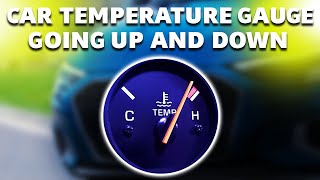
- Inaccurate Temperature Gauge: The gauge on your dashboard might not move at all, or it might shoot to HOT suddenly, even if the engine isn't actually overheating. 🎬 See: Top causes for a fluctuating temperature gauge and how to fix it
- Engine Performance Problems: Because the computer doesn't know the real engine temperature, it can't manage the fuel and spark correctly. This can lead to poor gas mileage, hesitation, and reduced power.
- Hard Starting: The engine may take longer than usual to crank and start, especially when cold.
- Fail-Safe Mode Activated: A P1299 code means the computer thinks the engine is dangerously hot and has activated the "Cylinder Head Overtemperature Protection 🎬 Watch: Diagnosing the P1299 code and CHT sensor on a Crown Vic" mode. In this mode, the computer may shut off fuel to some cylinders to try and cool the engine down, causing a severe loss of power and a rough running condition.
Is It the Sensor or an Overheating Problem?
The P1299 code can be set by a bad sensor OR a real overheating problem, like low coolant from a leak. Before you replace the sensor, always check your coolant level first. If the coolant is low, you have a leak that needs to be fixed. A common leak point on these cars is the plastic intake manifold, which can crack with age.
Choosing the Right Aftermarket CHT Sensor

Because this sensor is very difficult to access, this is not a part where you want to cut corners. The labor to replace it is much more expensive than the part itself. Saving $20 on a cheap sensor could cost you hundreds in shop labor if it fails in a year.
- Top Tier (OEM): Motorcraft is the original Ford part and the most recommended choice. It's built to the exact factory specifications for your engine's fail-safe system. The OEM part number is often a variation of 8L3Z-6G004-A.
- High-Quality Aftermarket: Brands like Delphi have a strong reputation for making quality electronic sensors that meet or exceed OEM standards. They are a reliable alternative to Motorcraft.
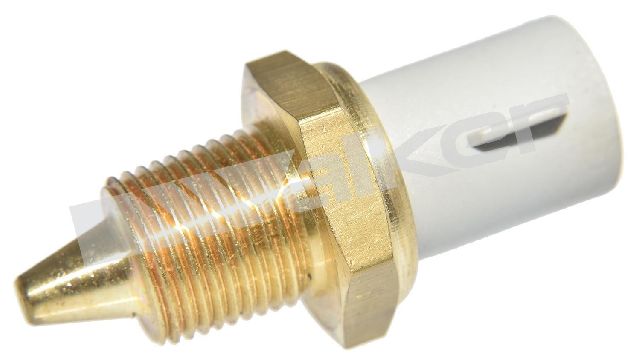
- Standard Aftermarket: Brands like Standard Ignition (SMP), Walker Products, and Holstein offer a balance of value and quality. They are generally dependable for most repairs.
- Budget Brands: Brands like True Tech and Global Parts are on the lower end of the price scale. While they are very affordable, the quality can be inconsistent. Given the difficulty of this specific repair, using a budget part is a significant gamble.
Pro Tip: Replace the Connector Pigtail
The CHT sensor is in a high-heat area under the intake manifold. The plastic connector and wires can become brittle and break during the repair. It's smart to buy a new connector pigtail (like Motorcraft WPT-1120) at the same time. This ensures a solid electrical connection and prevents future problems.
Typical Replacement Costs
The cost to replace the CHT sensor is mostly labor due to its location. An independent shop will likely charge for 2-3 hours of labor.
| Part Type | Part Cost | Total Cost (with Labor) |
|---|---|---|
| New OEM (Motorcraft) | $40 - $60 | $290 - $460 |
| New Aftermarket | $12 - $56 | $262 - $456 |
| Shop Labor | $250 - $400 (estimated 2-3 hours) | |
Frequently Asked Questions (FAQ)

Where is the CHT sensor located on a 2000-2011 Grand Marquis?
The CHT sensor is located on the driver's side cylinder head, under the intake manifold, and usually tucked behind the alternator. It is not easily accessible.
Can I replace the CHT sensor myself?
This is a difficult DIY job. It requires, at a minimum, removing the serpentine belt and the alternator to gain access. Even then, the sensor is in a tight spot that may require special tools like a crow's foot or a modified wrench to remove. Some procedures call for removing the entire intake manifold. It is considered a job for an experienced DIYer or a professional mechanic.
Is there a recall for the Grand Marquis temperature sensor?
No, there are no specific recalls or technical service bulletins (TSBs) from Ford or NHTSA related to the CHT sensor on the 2000-2011 Mercury Grand Marquis.
What does the P1299 code mean on my Grand Marquis?
P1299 means "Cylinder Head Overtemperature Protection Active." The engine's computer believes the engine is overheating and has triggered a fail-safe mode to prevent damage. This could be caused by a faulty CHT sensor, low coolant level, a stuck thermostat, or other cooling system problems.
Helpful Videos


Technical Specifications
OEM Part Numbers: 8L3Z-6G004-A F65Z-6G004-AB 8L3Z6G004A DY-1144 DY1144
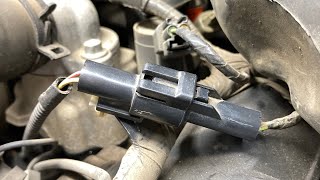
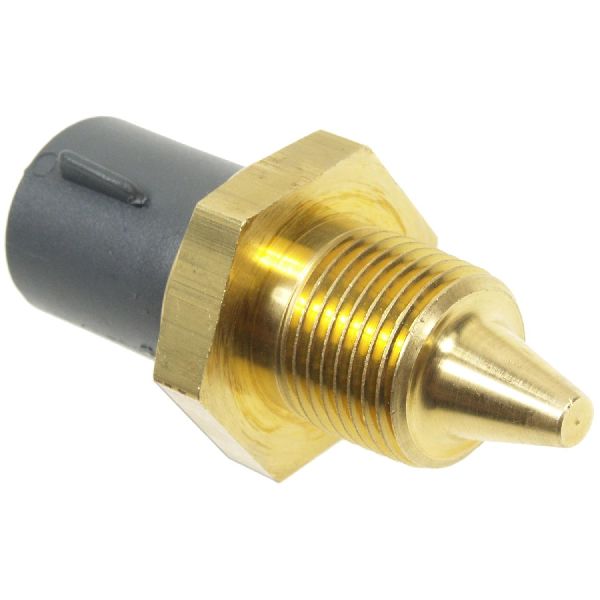
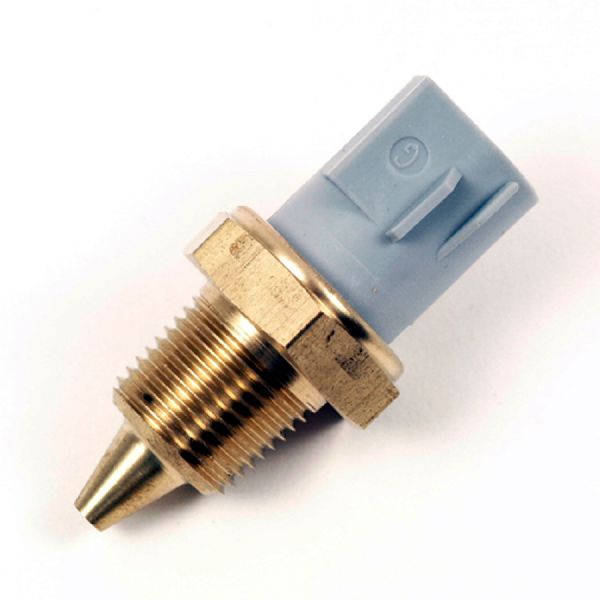
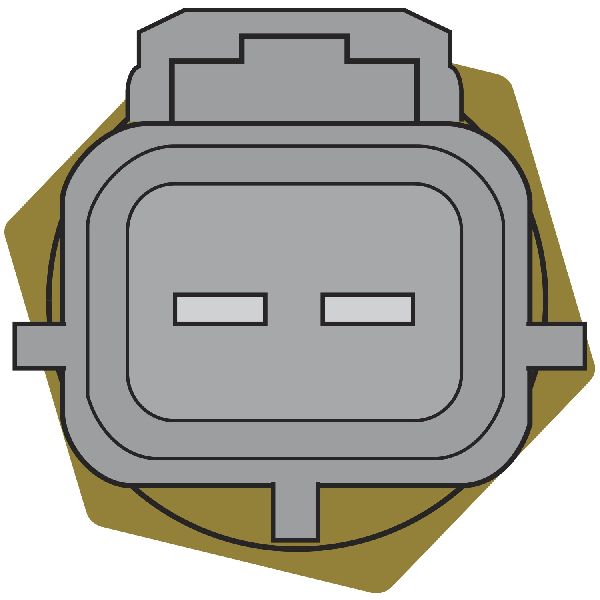
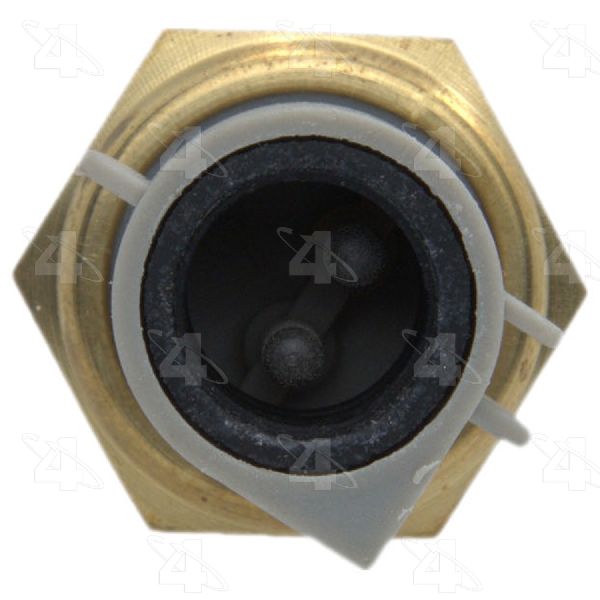
This is a two-pin sensor that threads directly into the driver's side cylinder head, under the intake manifold.
We Have This Part in Stock


The information in this article is provided for general reference and educational purposes only. Vehicle specifications, procedures, and part compatibility can vary by production date, trim level, and region. Always consult your vehicle's factory service manual and verify part numbers before purchasing or performing repairs. Safety-critical components such as airbags, seat belts, and braking systems should be installed by a qualified professional.
- Mercury Grand Marquis: