

Choosing the Right Disc Brake Pads for Your 2000-2011 Honda Odyssey
Stop the guesswork and find the best brake pads to fix common issues like noise and vibration on your Odyssey.
- Vibration during braking is a very common issue, usually caused by warped rotors. Always replace rotors with pads to solve this.
- High-quality ceramic aftermarket pads from brands like Akebono or Bosch often provide better performance (less dust, less noise) than stock.
- For this heavy vehicle, avoid the cheapest budget pads, as they may wear quickly and contribute to noise issues.
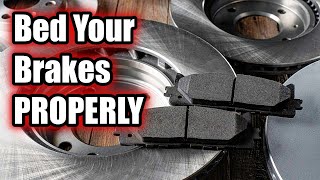
- Properly 'bedding in' your new pads and rotors is critical to prevent future noise and vibration.
Symptoms of Failing Brake Pads on a Honda Odyssey


When your brake pads are wearing out, your Odyssey will give you several warning signs. Ignoring them can lead to more expensive repairs, so it's important to pay attention to how your brakes feel and sound.
- Squealing or Screeching: The most common sign is a high-pitched noise when you apply the brakes. This is often caused by a small metal wear indicator tab on the brake pad that makes contact with the rotor when the pad material is low.
- Grinding Noises: A loud grinding or growling sound means the brake pad material is completely gone. You are hearing metal-on-metal contact between the pad's backing plate and the brake rotor. This is a critical situation that can quickly destroy your rotors.
- Vibration or Pulsating: If you feel a shudder or pulsation through the steering wheel or brake pedal when you brake, especially from highway speeds, it's a common complaint for this generation of Odyssey. This is usually caused by warped brake rotors, a frequent issue for these minivans due to their weight and potentially undersized factory rotors. Replacing the pads without addressing the rotors will not solve this problem.
- Soft or Spongy Brake Pedal: If the brake pedal feels softer than usual or goes closer to the floor, it could indicate worn pads, air in the brake lines, or a failing master cylinder.
- Pulling to One Side: If the van pulls to the left or right when braking, it may be caused by a stuck caliper or unevenly worn brake pads.
Known Issues for 2000-2011 Honda Odyssey Brakes
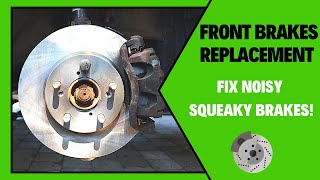
This generation of the Odyssey is well-known for brake rotor warping. The original factory rotors can struggle to dissipate the heat generated by stopping such a heavy vehicle, causing them to warp. This leads to the common steering wheel shake or pedal pulsation 🎬 Watch: How to fix the common Honda Odyssey vibration issue during braking. Many owners and mechanics find that upgrading to high-quality aftermarket rotors and pads is the best long-term solution. Additionally, several recalls were issued for 2007-2008 models related to the Vehicle Stability Assist (VSA) system, which could cause a soft pedal feel or unexpected braking. TSBs for earlier models (2000-2003) often address groaning or other brake noises.
Choosing the Right Aftermarket Brake Pads

When replacing brake pads on your Odyssey, you have many choices. Aftermarket parts offer a wide range of quality and price. For this specific vehicle, many aftermarket options provide better performance and durability than the original equipment, especially when paired with new, high-quality rotors. Here’s a breakdown of brands based on owner feedback and general market reputation.
Brand Tiers for Your Odyssey
Premium (Best Performance & Durability):
- Akebono: Frequently cited as the Original Equipment Manufacturer (OEM) for Honda. Owners report they are quiet, produce very little dust, and offer performance similar to or better than stock. The Pro-ACT and Performance lines are excellent choices.
- Brembo: A top-tier performance brand. While they may be overkill for some, their pads and rotors are a surefire way to improve braking performance and solve warping issues.
- Advics: Another Japanese OEM supplier known for excellent quality. Their pads are a strong alternative to Akebono for achieving factory-like (or better) quiet performance.
- EBC Brakes: Offers different compounds for various needs (e.g., Greenstuff, Yellowstuff). A great choice for those who may tow or want a more aggressive bite, though they can be more expensive.
Standard (Quality & Value):
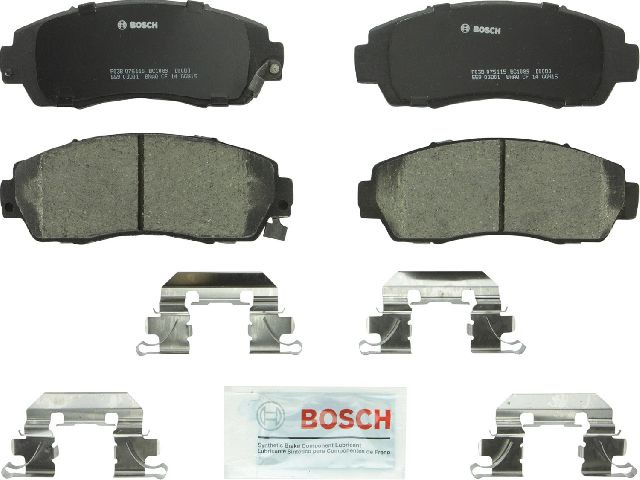
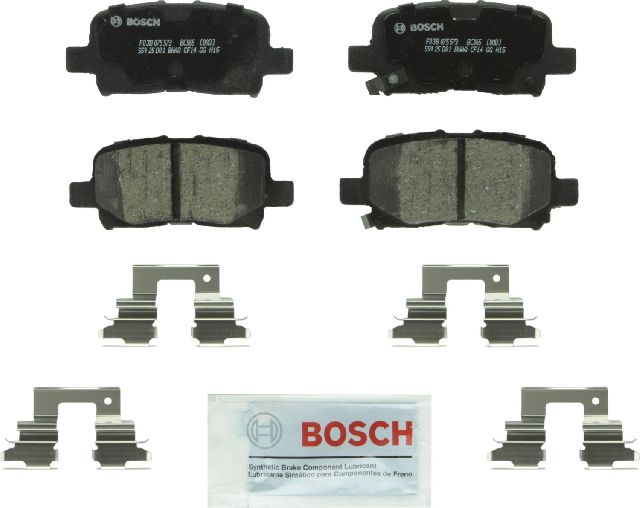
- Bosch: The QuietCast and Blue lines are very popular among Odyssey owners. They offer a great balance of quiet operation, low dust, and reliable stopping power at a reasonable price.
- PowerStop: Known for their complete brake kits (pads and drilled/slotted rotors). The Z23 and Z17 kits are popular upgrades that many owners use to solve the notorious vibration issue. They offer good stopping power but can sometimes produce more dust than ceramic-focused brands.
- Raybestos: The Element3 line is a solid choice, offering good performance and features like coated backing plates to resist rust. However, some users have reported fitment issues.
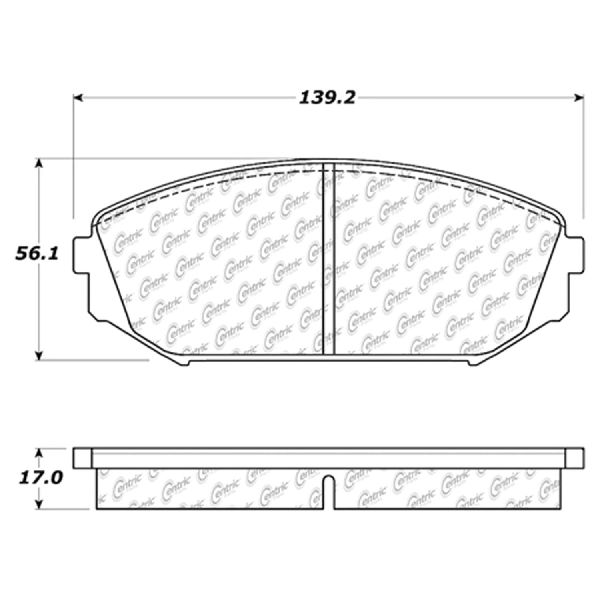
- Centric / StopTech: Centric's Posi-Quiet and C-TEK lines are well-regarded. They offer a wide range of pads, from daily driver to performance applications, and are often recommended in owner forums.
Economy (Budget-Focused):
- Wagner: The Wagner OEX and ThermoQuiet lines are widely available and affordable. While they provide decent stopping power, some owners have complained about excessive brake dust.
- ACDelco: Offers Professional and Advantage lines. They are a reliable budget-friendly option, though they may not offer the same low-dust or quiet performance as premium ceramic pads.
- Pronto, Dynamic Friction, Total Stopping Solutions: These brands typically fall into the value category. They will restore braking function at a low cost, but may not provide the longevity, low noise, or low dust characteristics of higher-tier brands.
Pro Tip: Ceramic vs. Semi-Metallic
For a family vehicle like the Odyssey, ceramic brake pads are almost always the best choice. They are designed for quiet operation, produce very little visible dust, and are gentle on brake rotors. Brands like Akebono and Bosch specialize in high-quality ceramic pads. Semi-metallic pads offer better performance in extreme heat (like towing down a mountain), but the trade-off is more noise and more black dust on your wheels. Given the Odyssey's known rotor warping issues, a high-quality ceramic pad paired with a good, solid (not necessarily drilled) aftermarket rotor is the recommended combination for most drivers.
Estimated Costs for Brake Pad Replacement

| Part/Service | Estimated Cost |
|---|---|
| New OEM Brake Pad Set (per axle) | $100 - $150 |
| New Aftermarket Brake Pad Set (per axle) | $25 - $184 |
| Shop Labor (per axle) | $80 - $150 |
| Total Professional Replacement (Pads Only, per axle) | $150 - $300 |
| Total Professional Replacement (Pads & Rotors, per axle) | $350 - $750 |
Costs are estimates and can vary based on location, the specific brand of parts chosen, and the condition of your vehicle. It is highly recommended to replace rotors at the same time as pads on this vehicle to prevent vibration issues.
Frequently Asked Questions (FAQ)
Do I have to replace my rotors when I replace my pads?
For the 2000-2011 Honda Odyssey, it is highly recommended. The most common and frustrating brake issue on this van is vibration from warped rotors. Simply putting new pads on warped rotors will not fix the shaking, and the new pads will wear unevenly. To get a smooth pedal feel and ensure a long life for your new pads, installing new, high-quality rotors at the same time is the best practice.
Should I buy OEM Honda pads or are aftermarket pads okay?
While OEM pads are designed for the vehicle, many owners find that high-quality aftermarket pads and rotors from brands like Akebono, Bosch, or PowerStop offer superior performance, especially in solving the common rotor warping problem. Akebono is often the actual manufacturer of Honda's OEM pads, so buying their aftermarket version can give you the same or better quality, often for less money.
What's the difference between front and rear brake pads?
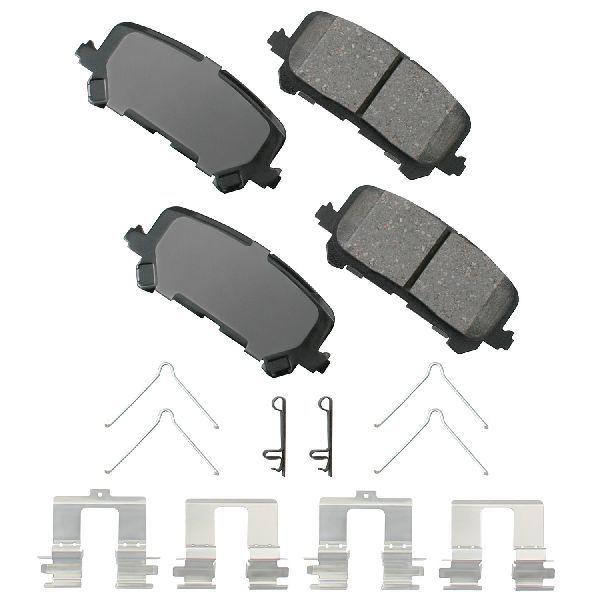
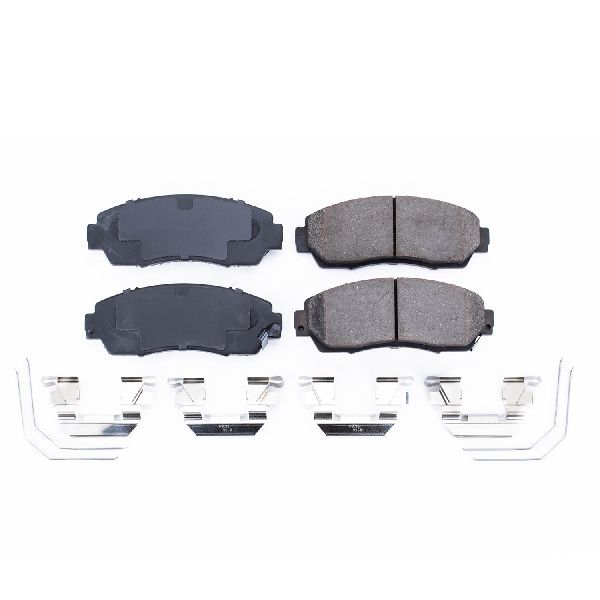
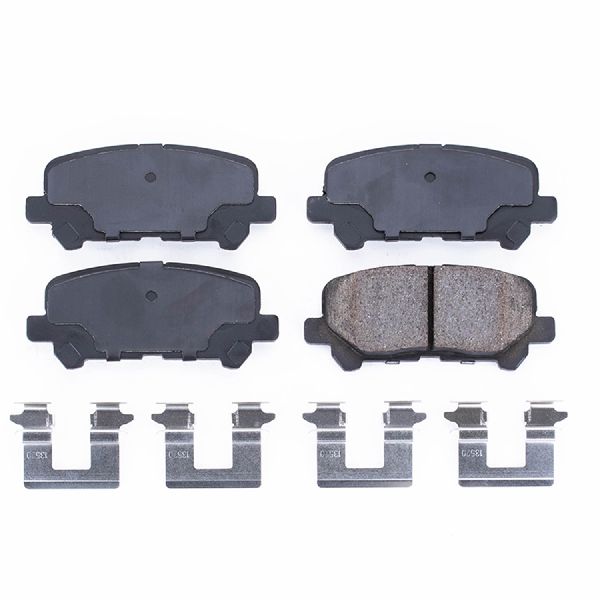
Front and rear brake pads are not interchangeable. The front brakes on your Odyssey do most of the work (around 70-80%) to stop the vehicle, so the pads are larger and tend to wear out faster than the rear pads. When ordering, make sure you are buying the correct set for the axle you are servicing.
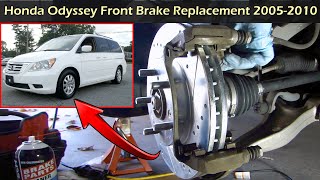
🎬 See this step-by-step front brake pad and rotor replacement guideWhat is "bedding in" new brakes and is it important?
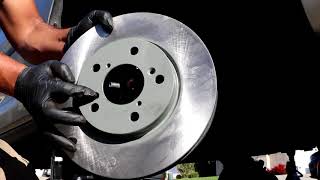
Bedding in, or burnishing, is the process of breaking in new brake pads and rotors. It involves a series of controlled stops to heat the pads and transfer a thin, even layer of friction material onto the rotor surface. This process is crucial 🎬 Watch this video to learn how and why to bed your brakes for smooth, quiet, and powerful braking performance and helps prevent future vibration issues. Always follow the specific break-in procedure recommended by the brake pad manufacturer.
Helpful Videos

Technical Specifications
OEM Part Numbers: 45022-SHJ-415 45022-SVB-A03 45022-S0X-415 45022-S0X-406 45022-TK8-405
Brake pad material is the most important specification. Ceramic pads are recommended for most Odyssey owners for their quiet operation and low dust. Semi-metallic pads can be considered for heavy towing applications. Always ensure the pads are specified for your exact model year and trim (e.g., EX, LX, Touring).
We Have This Part in Stock

The information in this article is provided for general reference and educational purposes only. Vehicle specifications, procedures, and part compatibility can vary by production date, trim level, and region. Always consult your vehicle's factory service manual and verify part numbers before purchasing or performing repairs. Safety-critical components such as airbags, seat belts, and braking systems should be installed by a qualified professional.
- Honda Odyssey: