

A Subaru Owner's Guide to Oxygen Sensors for the 2000-2010 Outback
A bad oxygen sensor can cause a check engine light, poor fuel economy, and rough running.
- For best results and to avoid compatibility issues, use an OEM-equivalent brand like Denso or NGK/NTK.
- You must confirm if you need the upstream (front) or downstream (rear) sensor before ordering, as they are not interchangeable.
- Driving with a bad oxygen sensor will decrease fuel economy and can cause long-term damage to your catalytic converter.
- A special oxygen sensor socket is highly recommended for removal, as the sensors are often tight and in awkward locations.
Is Your Outback's Oxygen Sensor Failing?

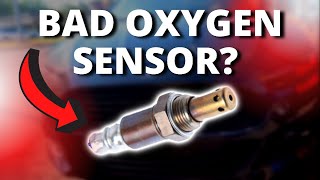
When an oxygen sensor goes bad, your car's computer gets the wrong information about the air-fuel mixture. This can cause several noticeable problems. The most common sign is the check engine light turning on. You might also notice your gas mileage getting worse because the engine is using too much fuel. Other symptoms include a rough or shaky idle, slow acceleration, and even engine hesitation. In some cases, you might smell a 'rotten egg' odor from the exhaust or see black smoke, which is a sign of unburnt fuel. A faulty sensor can also cause you to fail an emissions test.
🎬 Watch: A breakdown of common bad oxygen sensor symptomsChoosing the Right Aftermarket Oxygen Sensor

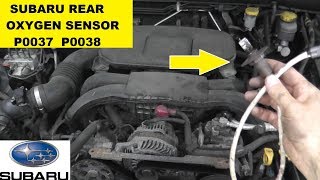
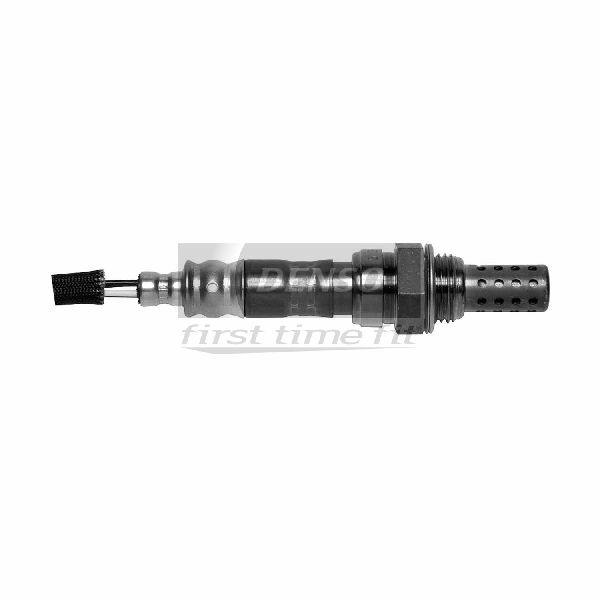
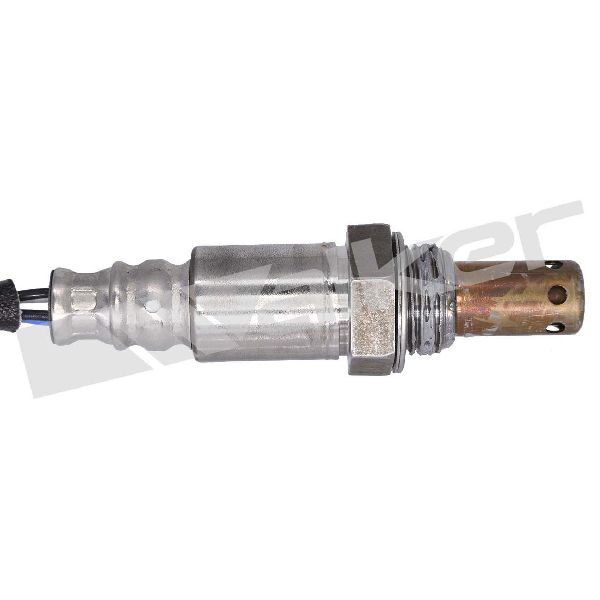
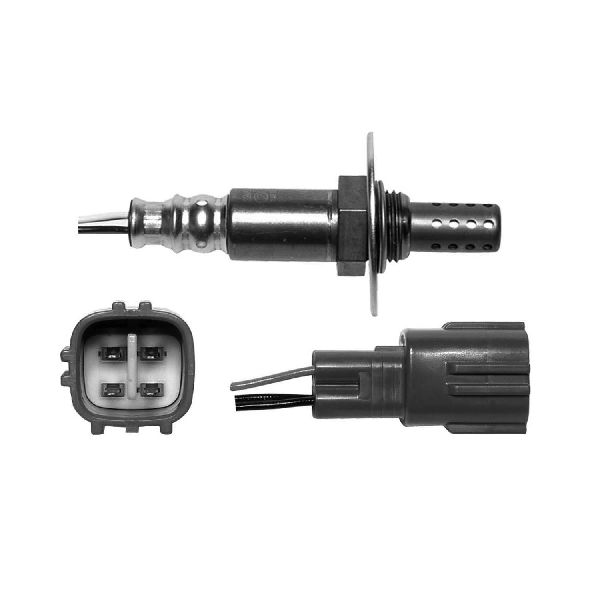
It is critical to order the correct sensor for your vehicle's specific year, engine, and sensor position. The front (upstream) and rear (downstream) sensors are not interchangeable. They have different functions and often different wire lengths and connectors. Always confirm the location of the sensor you are replacing before ordering.
Brand Tiers for Your Subaru
For Japanese vehicles like your Subaru, the brand of the sensor matters. Using a brand that is not compatible with your car's computer (ECU) can cause persistent check engine lights and performance issues, even with a new part.
- Tier 1 - OEM Equivalent (Highly Recommended): Denso and NGK (also sold as NTK) are the original equipment manufacturers for most Subaru vehicles. Choosing one of these brands is the safest way to ensure proper function and avoid compatibility problems. Many Subaru owners and mechanics strongly recommend sticking with Denso or NGK.
- Tier 2 - Reputable Aftermarket: Brands like Bosch and Delphi are well-known in the auto parts industry. However, some Subaru owners report mixed results with Bosch sensors, with some experiencing issues while others do not. They can be a reliable option but may carry a slightly higher risk of incompatibility compared to Denso or NGK.
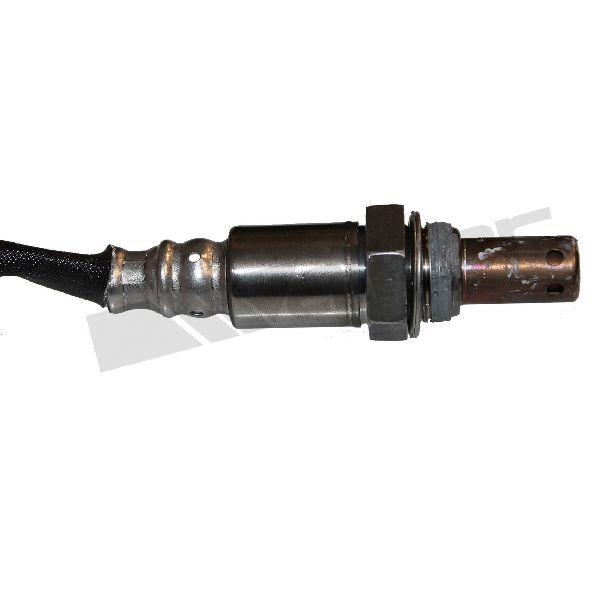
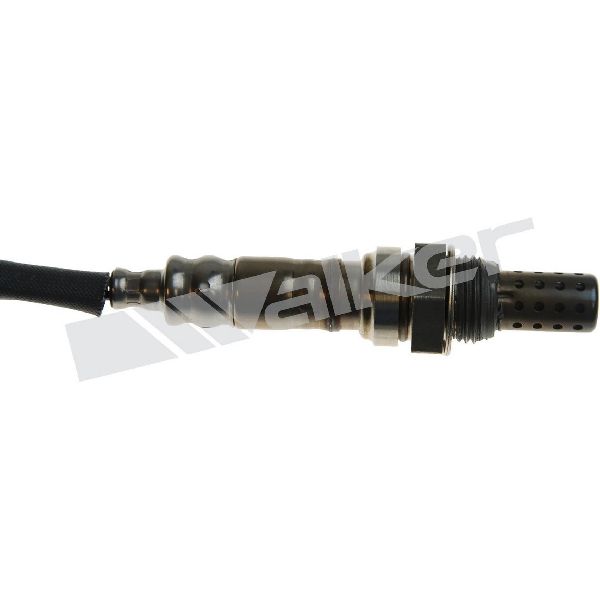
- Tier 3 - Budget Brands: Walker Products, Spectra, and DriveWire are budget-friendly options. While they are more affordable, they may not have the same lifespan or precision as the higher-tiered brands. These are best considered if the primary concern is initial cost.
Typical Replacement Costs
The cost can vary depending on the brand and whether you do the work yourself or hire a professional.
| Item | Estimated Cost |
|---|---|
| New Aftermarket Part | $25 - $428 |
| New OEM Part | $150 - $250 |
| Shop Labor | $100 - $200 |
Known Issues, Recalls, and Service Bulletins
Recalls: There are no active recalls from Subaru or the NHTSA for oxygen sensor failure on the 2000-2010 Subaru Outback. Recent recalls for sensors on newer Outbacks (2020-2022) are for the Occupant Detection System (ODS) in the passenger seat and are not related to engine oxygen sensors.
Technical Service Bulletins (TSBs): While Subaru has issued TSBs for oxygen sensor issues on newer models (2017 and later), no specific TSBs were found for the 2000-2010 generation during our search. Failure on these models is typically due to age and normal wear.
Frequently Asked Questions (FAQ)

How many oxygen sensors does my 2000-2010 Outback have?
Most 4-cylinder Outbacks from this era have two sensors: one upstream (front) and one downstream (rear). Some models, particularly those with California emissions standards or 6-cylinder engines, may have four sensors (two upstream and two downstream, one for each cylinder bank). It is essential to identify which sensor has failed, usually with an OBD-II scanner, before ordering a replacement.
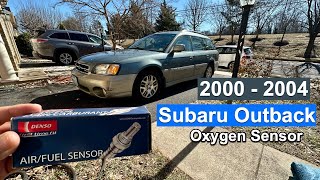
🎬 See this walkthrough for replacing both O2 sensorsCan I clean my oxygen sensor instead of replacing it?
While some people attempt to clean O2 sensors, it is generally not an effective or long-lasting solution. The sensing element becomes contaminated or simply wears out internally over time. Replacement is the only reliable way to restore proper function and turn off the check engine light for good.
What tools do I need to replace an oxygen sensor?
You will need a special tool called an oxygen sensor socket, which has a slot for the wire to pass through. You'll also need a ratchet and possibly an extension. Because exhaust parts can be very rusty and stuck, applying penetrating oil to the sensor's threads and letting it soak before trying to remove it is highly recommended. The job should always be done on a cold engine to avoid burns and potential damage to the threads.
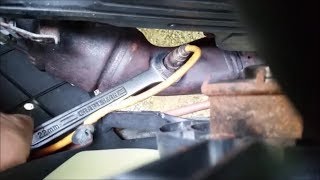
🎬 Watch: Step-by-step guide to replacing an upstream sensorWhy is my check engine light still on after replacing the sensor?
After replacing the sensor, the trouble code stored in the vehicle's computer must be cleared with an OBD-II scan tool. In some cases, driving the vehicle for a few cycles may cause the light to turn off on its own. If the light returns, it could mean there is another problem, the wrong sensor was installed, or a budget sensor is not communicating correctly with the computer.
Helpful Videos
Technical Specifications
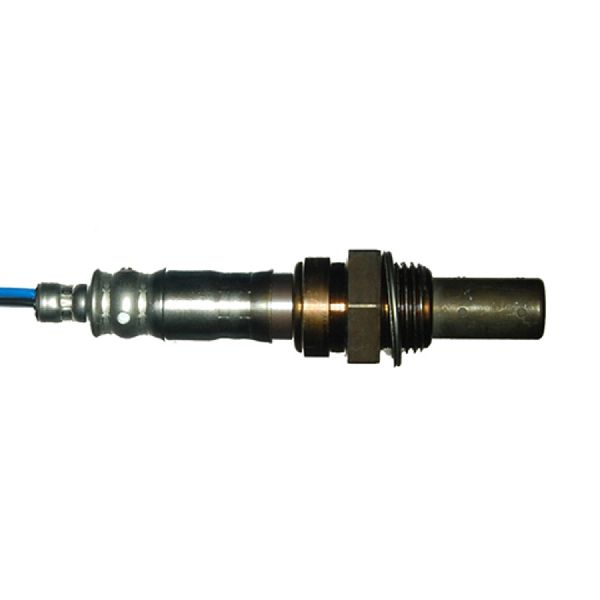
The thread size for most Subaru oxygen sensors is M18-1.50. However, wire length and connector type vary significantly by year and position. Always verify fitment for your specific vehicle.
We Have This Part in Stock

The information in this article is provided for general reference and educational purposes only. Vehicle specifications, procedures, and part compatibility can vary by production date, trim level, and region. Always consult your vehicle's factory service manual and verify part numbers before purchasing or performing repairs. Safety-critical components such as airbags, seat belts, and braking systems should be installed by a qualified professional.
- Subaru Outback: