

Toyota Corolla Ignition Coil Guide: Symptoms, Replacement, and Best Brands (2000-2008)
Is your 2000-2008 Toyota Corolla running rough or showing a check engine light? It might be a bad ignition coil.
- A bad coil causes a check engine light (P0300-P0304), rough idle, and poor acceleration.
- Replacement is very easy for DIYers and requires only a 10mm socket.
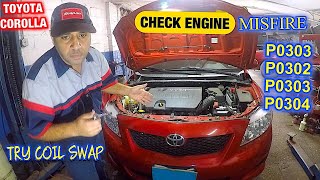
- Confirm the bad coil by swapping it to another cylinder and seeing if the misfire code follows.
- For best results, choose OEM supplier Denso or other reputable brands like NGK or Beck Arnley.
Is Your Corolla's Ignition Coil Failing?

Ignition coil failure is a common issue on the 2000-2008 Toyota Corolla as it ages. The constant heat and vibration from the engine eventually cause the coil's internal components to break down. When this happens, you'll notice some obvious problems with how your car drives.
Key Symptoms of a Bad Ignition Coil
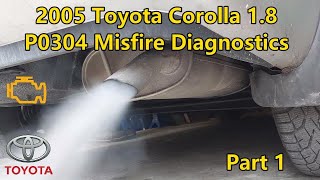
- Check Engine Light: This is the most common sign. The light will come on, and a code reader will usually show a misfire code, such as P0301, P0302, P0303, or P0304, which points to a specific cylinder. 🎬 Watch a professional diagnostic walkthrough for a P0304 misfire code. A general P0300 code indicates random misfires.
- Rough Idle: Your engine will shake or vibrate noticeably when the car is stopped or at a red light. This is because one cylinder isn't contributing power.
- Poor Acceleration and Power Loss: The car will feel sluggish, weak, and slow to respond when you press the gas pedal.
- Reduced Fuel Economy: With a cylinder misfiring, unburnt fuel is wasted, and you'll notice you're filling up the gas tank more often.
- Engine Stumbling or Hesitation: While accelerating, the engine may stumble or jerk as it struggles to produce power smoothly.
Can I Drive with a Bad Ignition Coil?
While you can technically drive with a single bad coil, it's not recommended for long. Driving with a misfire puts stress on your engine and can allow unburnt fuel to enter the exhaust, potentially damaging the expensive catalytic converter. It's best to get it fixed as soon as possible.
How to Choose the Right Aftermarket Ignition Coil

When shopping for a replacement, you'll find many brands at different price points. For the Toyota Corolla, quality matters for long-term reliability.
Pro Tip: A simple way to confirm a bad coil is to swap it. For example, if you have a misfire on cylinder 2 (P0302), move that coil to cylinder 3. Clear the codes and drive the car. If the code changes to P0303, you've confirmed the coil is the problem.
Brand Tiers for Your Corolla
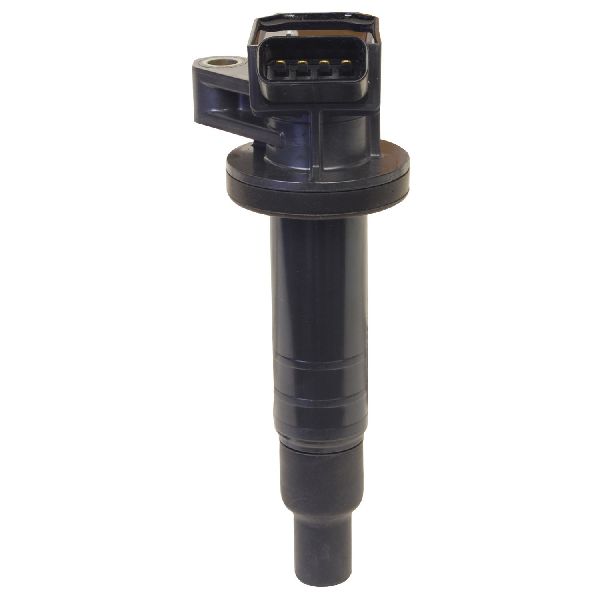
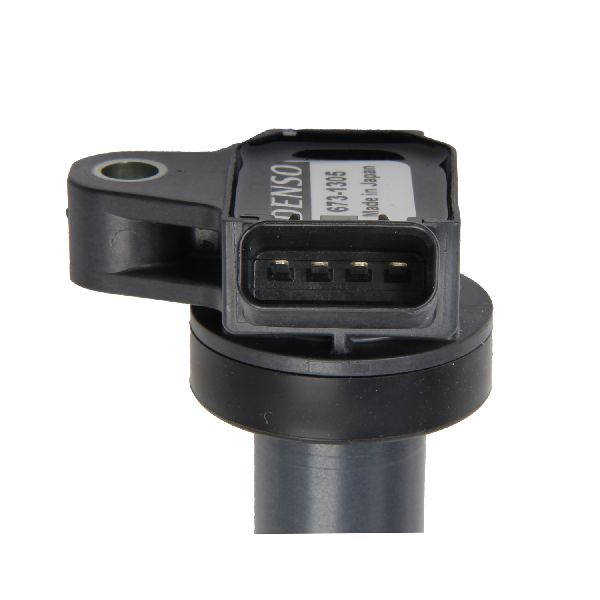
- OEM Supplier (Best Bet): Denso is the original equipment manufacturer for Toyota ignition coils. Choosing a Denso coil from an aftermarket seller gives you the exact same quality as the part from the dealer, often at a lower price.
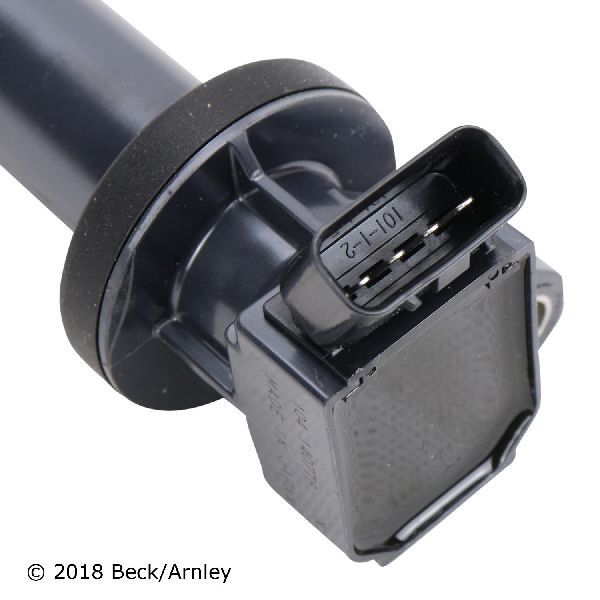
- High-Quality Aftermarket: Brands like NGK, Delphi, and Beck Arnley have a strong reputation for producing reliable ignition components that meet or exceed OEM standards. These are excellent, trustworthy alternatives to Denso.
- Economy Brands: Cheaper, lesser-known brands found on Amazon or eBay can be a gamble. While some owners have success, many report that these coils fail prematurely. Given that the job is easy to do yourself, it's worth spending a little more on a reputable brand to avoid doing the job twice.
Cost of Replacing an Ignition Coil on a 2000-2008 Corolla
This is one of the most affordable and straightforward repairs you can perform on your vehicle.
| Item | Cost Range |
|---|---|
| New OEM (Dealer) Ignition Coil | $90 - $160 |
| New Aftermarket (Reputable Brand) | $36 - $128 |
| Shop Labor Cost | $50 - $100 |
| DIY Cost (Reputable Aftermarket Part) | $36 - $128 |
DIY Installation Guide

Replacing the ignition coils on a 2000-2008 Corolla is a perfect job for a beginner. You only need a ratchet with a 10mm socket and about 15-30 minutes.
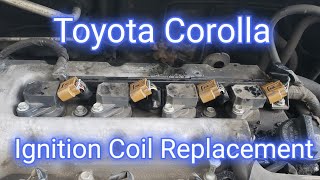
🎬 See this quick step-by-step walkthrough for replacing your ignition coils.- Locate the Coils: Open the hood. The four ignition coils are lined up on top of the engine, right on the valve cover. You may need to remove a plastic engine cover held on by two 10mm nuts.
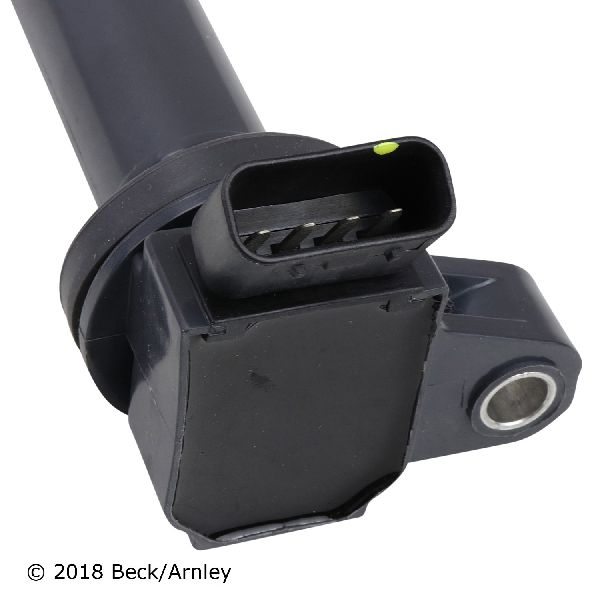
- Disconnect the Harness: Press the tab on the electrical connector and pull it off the coil.
- Remove the Bolt: Use a 10mm socket to remove the single bolt holding the coil in place.
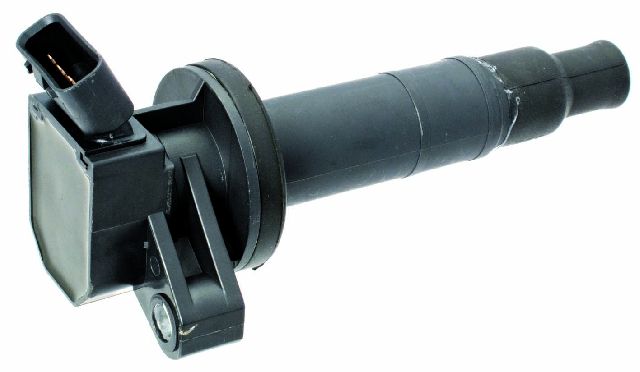
- Remove the Coil: Gently twist and pull the ignition coil straight up and out of the engine.
- Install the New Coil: Apply a small amount of dielectric grease to the inside of the new coil's boot to protect it and make future removal easier. Press the new coil firmly into place, reinstall the 10mm bolt (don't overtighten), and reconnect the electrical harness.
While You're In There...
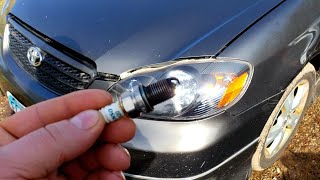
If your spark plugs are old, this is the perfect time to replace them. 🎬 Watch how to change both spark plugs and coils together. A new coil works best with a new spark plug. Also, inspect the spark plug tube for oil. Oil on the old coil boot means your valve cover gasket and spark plug tube seals are leaking and should be replaced.
Frequently Asked Questions
Should I replace all four ignition coils at once?
You don't have to. If only one coil has failed, you can replace just that one. However, since the coils are all the same age, when one fails, others may not be far behind. If you prefer peace of mind and want to avoid future repairs, replacing all four with new spark plugs is a good strategy.
Are there any recalls for the 2000-2008 Corolla ignition coil?
No. As of early 2026, there are no active recalls or widespread Technical Service Bulletins (TSBs) from Toyota or the NHTSA for ignition coil failure on the 2000-2008 Corolla. Failures are considered normal wear and tear for a part of this age.
What's the difference between a P0301, P0302, P0303, and P0304 code?
These codes all mean the same thing: "Cylinder Misfire Detected." The last number tells you which cylinder is misfiring. P0301 is cylinder 1, P0302 is cylinder 2, and so on. The cylinders on your Corolla are numbered 1-2-3-4 from left to right as you stand in front of the car.
What is dielectric grease and do I really need it?
Dielectric grease is a non-conductive silicone grease that seals out moisture and prevents corrosion on electrical connectors. Applying a small dab inside the coil boot where it meets the spark plug prevents the boot from getting stuck and protects the connection. It's a highly recommended step.
Helpful Videos
Technical Specifications
OEM Part Numbers: 90919-02239 90919-02262 90919-T2002
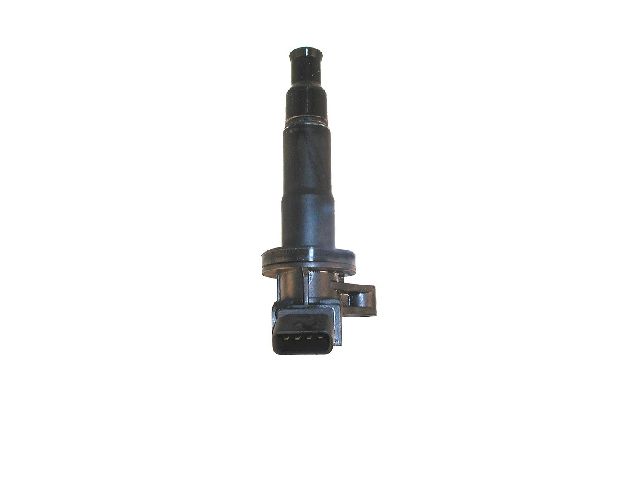
Coil-on-Plug (COP) design. Each coil is secured by a single 10mm bolt.
We Have This Part in Stock

The information in this article is provided for general reference and educational purposes only. Vehicle specifications, procedures, and part compatibility can vary by production date, trim level, and region. Always consult your vehicle's factory service manual and verify part numbers before purchasing or performing repairs. Safety-critical components such as airbags, seat belts, and braking systems should be installed by a qualified professional.
- Toyota Corolla: