

Chevrolet Sonora Starter Motor: A Guide for 2000-2006 Models
Address starting problems and find the right new aftermarket starter for your 2000-2006 Chevrolet Sonora.
- A single click with no crank is the most common sign of a failed starter.
- Always test the battery before replacing the starter to avoid a misdiagnosis.
- Replacing the starter is a manageable DIY job, typically taking 1-2 hours.
- A quality new aftermarket starter provides the best value for this repair.
Symptoms of a Failing Starter Motor
A bad starter can leave you stranded. Recognizing the signs early can save you a headache. The most common symptom is a single, loud 'click' when you turn the key, with the engine not turning over at all. You might also hear a grinding noise, which could mean the starter gear isn't engaging properly with the flywheel. If your engine cranks very slowly, even with a good battery, it can also point to a failing starter motor.
Don't Mistake a Bad Battery for a Bad Starter
Many starter problems mimic a weak or dead battery. Before replacing your starter, make sure your battery is fully charged and the terminals are clean and tight. A simple battery test at an auto parts store can confirm if the battery is the real issue.
Choosing the Right Aftermarket Starter
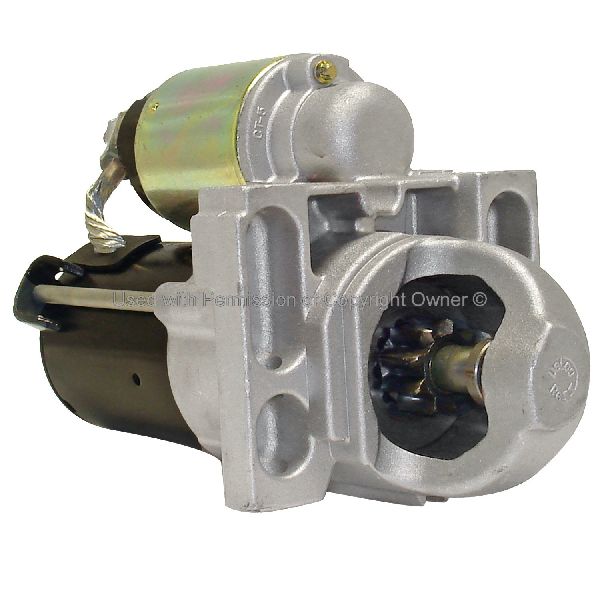
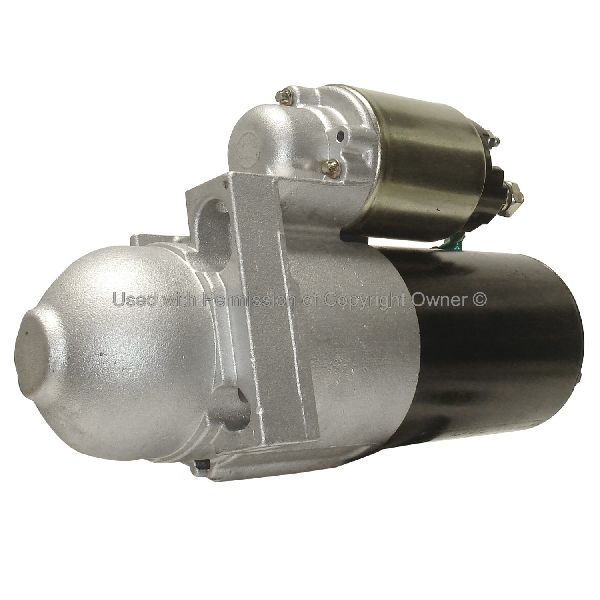
When replacing the starter on your Sonora, you'll find several aftermarket options. You don't need to pay for an expensive original equipment (OEM) part from a dealer. Aftermarket brands offer new units that meet or exceed original specifications, often at a much better price. For this generation of GM trucks, the original starter design is robust, and quality aftermarket replacements are widely available.
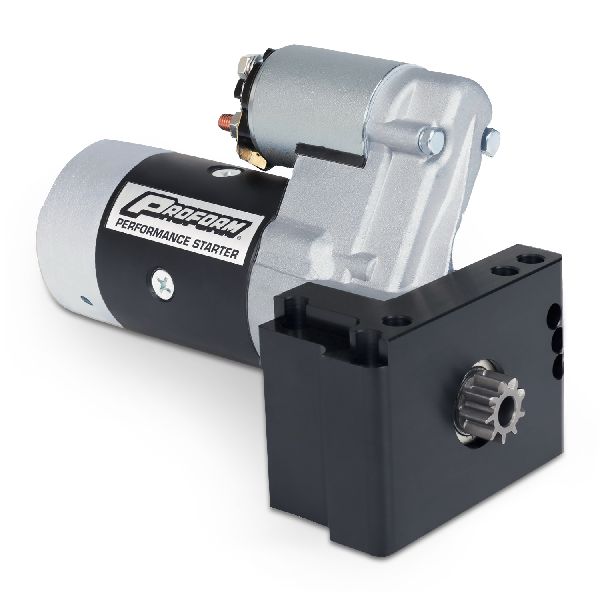
Brands like MPA (Motorcar Parts of America) and Proform are common choices. MPA offers new and remanufactured starters that are rigorously tested. Proform is known for high-torque starters, which can be a good upgrade, especially for higher-mileage engines, though some user reviews mention mixed reliability. Ultimately, a new aftermarket starter from a reputable brand will provide reliable performance for your vehicle.
Pro-Tip: Check for Heat Soak
On V8 engines like the 5.3L common in these trucks, the starter is located near the hot exhaust. Over time, this heat can damage the starter's solenoid, causing it to fail when the engine is hot. Some aftermarket starters offer better heat shielding to prevent this common issue.
Known Issues, Recalls, or TSBs
For the 2000-2006 vehicle platform this guide is based on (Chevrolet Tahoe/Suburban), there are no specific recalls or widespread Technical Service Bulletins (TSBs) directly related to starter motor failure. Most issues are due to normal wear and tear over time. One related TSB for the similar Chevrolet Silverado, #030604031, simply notes the availability of the starter solenoid as a separate part if damaged during service. No active recalls for the starter motor were found on the NHTSA database for the 2000-2006 Chevrolet Tahoe or Suburban.
Cost of Replacing a Starter Motor (2000-2006 Chevrolet Sonora)
| Part Type | Estimated Part Cost | Estimated Labor Cost | Total Estimated Cost |
|---|---|---|---|
| New Aftermarket | $109.59 - $284.30 | $100 - $200 | $209.59 - $484.30 |
| New OEM | $350 - $500+ | $100 - $200 | $450 - $700+ |
| Remanufactured | $90 - $200 | $100 - $200 | $190 - $400 |
Frequently Asked Questions (FAQ)
Can I replace the starter motor myself?
Yes, this is a DIY-friendly job for someone with basic mechanic's tools. The starter is located on the passenger side of the engine and is typically held on by two bolts. You will need to disconnect the battery first, then remove the electrical connections and the mounting bolts to slide the starter out. The entire process usually takes about one to two hours.
Do I need to use shims when installing the new starter?
Usually, no. Most replacement starters for this vehicle do not require shims. However, if you hear a grinding or whining noise after installation, it may indicate a problem with the gear mesh between the starter and the flywheel, and shims may be needed to correct the clearance.
What's the difference between a new and a remanufactured starter?
A new starter is made from all-new components. A remanufactured starter has been disassembled, cleaned, and had its worn components replaced with new ones before being reassembled and tested. Both are good options, but a new starter often comes with a better warranty and the assurance that every single part is fresh.
My lights turn on, but the truck won't start. Is it the starter?
It could be. If the battery is strong enough to power the lights and radio but the engine won't crank (or you just hear a click), the starter is a likely culprit. Other possibilities include the starter relay or a bad connection in the starting circuit.
Technical Specifications
OEM Part Numbers: 89017754 12563829 12572716
Configuration: Offset Gear Reduction (OGRE); Power: 1.6kW - 1.8kW; Voltage: 12V; Number of Teeth: 11; Rotation: Clockwise
We Have This Part in Stock


The information in this article is provided for general reference and educational purposes only. Vehicle specifications, procedures, and part compatibility can vary by production date, trim level, and region. Always consult your vehicle's factory service manual and verify part numbers before purchasing or performing repairs. Safety-critical components such as airbags, seat belts, and braking systems should be installed by a qualified professional.
- Chevrolet Sonora: