

Chevrolet Sonora Crankshaft Position Sensor: A Guide for 2000-2006 Models
Solve stalling, no-start problems, and check engine lights on your 2000-2006 Chevrolet Sonora.
- The 2000-2006 Chevrolet Sonora is the same as the Chevrolet Tahoe, so parts and procedures are identical.
- A failing crankshaft sensor is a very common cause of stalling, no-start conditions, and a P0335/P0336 check engine light.
- Replacement requires removing the starter motor for access, which adds to the labor time and cost.
- A 'Crankshaft Variation Relearn' procedure with a professional scan tool is mandatory after replacement to avoid further issues.
Is Your Sonora Stalling or Not Starting? It Could Be the Crank Sensor.
If your 2000-2006 Chevrolet Sonora (also known as the Chevrolet Tahoe in the U.S. market) suddenly stalls, struggles to start, or runs rough, a failing crankshaft position sensor is a very common cause. This sensor is vital for engine operation, and when it starts to go bad, it can leave you stranded. Understanding the symptoms and knowing how to choose the right replacement part is key.
Symptoms of a Failing Crankshaft Position Sensor
A bad crank sensor usually gives you a few warning signs before it fails completely. Look out for these common problems:
- Engine Won't Start: The most serious symptom. The engine will turn over (you'll hear it cranking), but it won't fire up because the computer isn't getting the signal to send fuel and spark.
- Intermittent Stalling: The engine may shut off unexpectedly while you're driving. This often happens when the engine is warm and can be very dangerous.
- Check Engine Light: A failing sensor will almost always trigger the check engine light. The most common trouble codes are P0335 (Crankshaft Position Sensor 'A' Circuit Malfunction) and P0336 (Crankshaft Position Sensor 'A' Circuit Range/Performance).
- Rough Idle and Misfires: Your engine might shake or vibrate when stopped at a light. Incorrect timing information can cause cylinders to misfire.
- Poor Acceleration: The truck may feel sluggish and lack power because the computer can't adjust timing properly for acceleration.
The Critical Relearn Procedure
This is important: After replacing the crankshaft position sensor on these trucks, a procedure called a "Crankshaft Variation Relearn" (or CASE relearn) is required. This process uses a professional-grade scan tool to sync the new sensor with your engine's computer. Skipping this step can cause a persistent check engine light, misfires, and rough running, even if the new part is perfect. Most DIY mechanics cannot perform this step at home; it must be done by a shop with the right equipment.
Choosing the Right Aftermarket Crankshaft Sensor
When it comes to electronic parts like sensors, quality matters. A cheap, low-quality sensor can fail quickly or be dead on arrival, forcing you to do the job twice. Since this repair requires removing the starter and performing a computer relearn, it's best to use a quality part the first time.
Here’s an honest look at the available brands:
- Premium Brands (NGK/NTK, Standard Ignition - Blue Streak/Red Box): NGK (also sold as NTK) is widely respected and is often an Original Equipment (OE) supplier for many carmakers. They are considered a top-tier choice. Standard Motor Products (SMP) has a long history of making quality aftermarket parts; their standard line (red box) and premium Blue Streak line are reliable choices. Many professional mechanics trust these brands for critical sensors.
- Quality Aftermarket (Spectra, Walker Products): Brands like Spectra and Walker Products position themselves as quality alternatives to OEM parts. They focus on meeting OE specifications and often come with good warranties. They can be a solid choice if a premium brand isn't available.
- Economy Brands (True Tech, store brands): These are the most budget-friendly options. While the low price is tempting, the quality can be inconsistent for sensitive electronics. Given the labor involved and the need for a computer relearn, using an economy sensor is a gamble that could cost you more in the long run if it fails prematurely.
Pro Tip: Check the wiring and connector carefully before replacing the sensor. A corroded connector or damaged wire can cause the exact same symptoms as a bad sensor. Replacing the sensor won't fix a wiring problem.
Cost to Replace a Chevrolet Sonora Crankshaft Sensor
The total cost will vary based on local labor rates and the part you choose. The biggest factor is the labor, as the starter motor must be removed for access.
| Item | Estimated Cost |
|---|---|
| New Aftermarket Part | $33 - $85 |
| New OEM Part (ACDelco) | $70 - $110 |
| Shop Labor (including Relearn) | $130 - $200 |
| Total Estimated Cost (Shop) | $200 - $310 |
Frequently Asked Questions (FAQ)
Where is the crankshaft sensor located on the 2000-2006 Sonora?
The sensor is on the lower passenger side of the engine block, positioned just above the starter motor. To access and replace it, the starter must be removed.
Can I replace this sensor myself?
Yes, if you are comfortable removing the starter motor. However, you will still need to take the vehicle to a shop with a capable scan tool to perform the mandatory Crankshaft Variation Relearn procedure. Without this step, the repair is not complete.
Was there a recall for this part?
Yes, but it was very specific. GM issued recall 06083 (NHTSA 07V-521) for crankshaft position sensors on some 2001 models equipped with the large 8.1L V8 engine. This recall did not apply to the more common 4.8L or 5.3L engines.
Will a new sensor fix a P0335 or P0336 code?
Usually, yes. A faulty sensor is the most common reason for these codes. However, the problem can also be caused by damaged wiring, a bad connector, or in rare cases, a problem with the engine computer or the reluctor wheel on the crankshaft.
Technical Specifications
OEM Part Numbers: 12560228 213-354
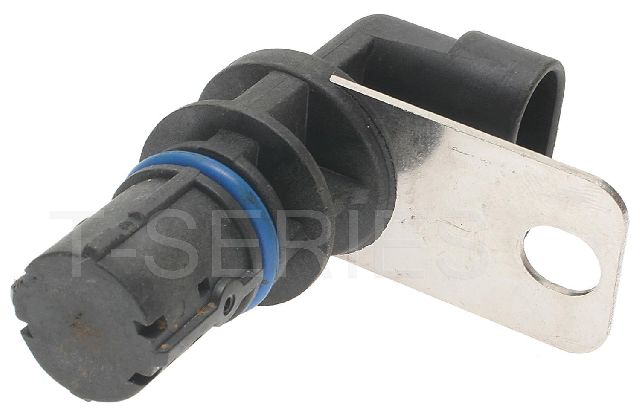
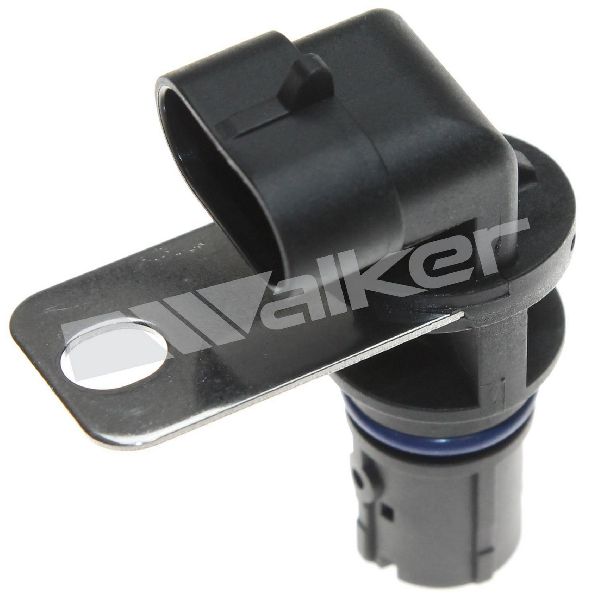
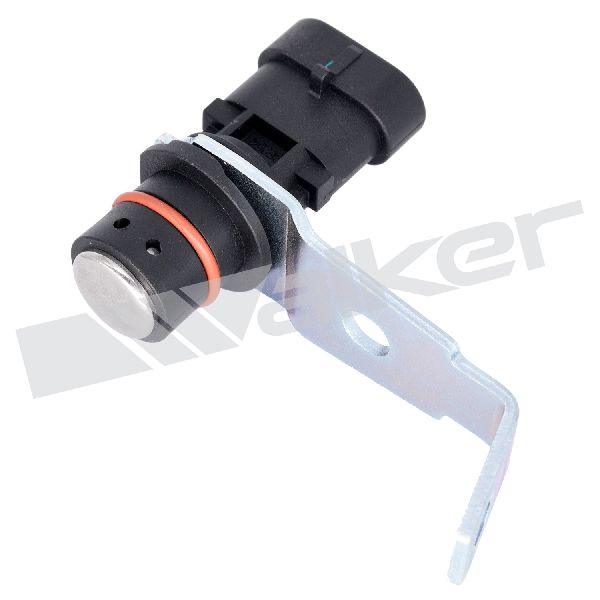
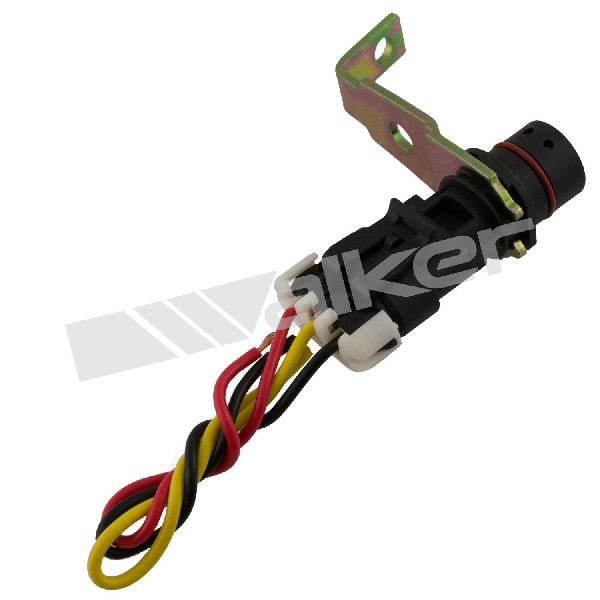
3-pin, hall effect sensor that mounts on the engine block above the starter.
We Have This Part in Stock


The information in this article is provided for general reference and educational purposes only. Vehicle specifications, procedures, and part compatibility can vary by production date, trim level, and region. Always consult your vehicle's factory service manual and verify part numbers before purchasing or performing repairs. Safety-critical components such as airbags, seat belts, and braking systems should be installed by a qualified professional.
- Chevrolet Sonora: