

A Tundra Owner's Guide to the 2000-2005 Starter Replacement
Don't get stranded by a bad starter—here's how to choose the right part for your first-generation Tundra.
- The starter on the 4.7L V8 is extremely difficult to access, making labor the biggest expense. Choose a premium Denso or Bosch starter to avoid repeat repairs.
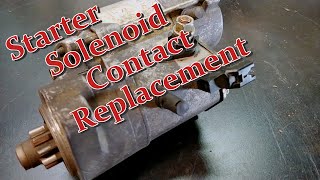
- A single 'click' with no crank is the most common symptom and often means the inexpensive solenoid contacts have failed, though the labor to replace them is the same as a full starter replacement.
- The 3.4L V6 starter is much easier to replace, making DIY replacement feasible and standard-quality aftermarket parts a more reasonable option.
- Confirm your engine size (V8 or V6) before ordering parts or getting a repair quote, as the job and costs are drastically different.
Is Your Tundra's Starter Failing?


A starter motor rarely fails without warning. For the 2000-2005 Toyota Tundra, the symptoms are usually clear. Recognizing them early can save you from being stranded.
- Single Loud Click: You turn the key and hear one sharp "CLICK" but the engine doesn't crank. This is a classic sign of worn starter solenoid contacts, a very common issue on these trucks.
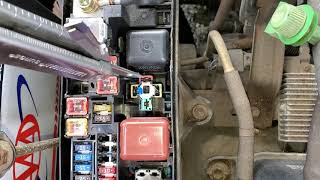
- No Crank, No Sound: You turn the key and nothing happens at all. This could be a dead battery, but if the lights and radio work, the starter or its relay is a likely suspect.
- Slow, Labored Cranking: The engine turns over very slowly, as if the battery is weak. If the battery is known to be good, the starter motor itself may be wearing out and struggling to spin the engine.
- Grinding or Whirring Noise: An unpleasant grinding sound during or after starting can mean the starter gear is not meshing correctly with the engine's flywheel, or it's failing to retract after the engine starts.
Critical Difference: V8 vs. V6 Engines
Before buying a part or getting a repair quote, you MUST know which engine your Tundra has. The location of the starter is completely different, which dramatically changes the cost and difficulty of the job.
- 4.7L V8 Models: The starter is located deep in the engine valley, underneath the entire intake manifold. Replacing it is a major job that requires removing the throttle body, fuel injectors, and the manifold itself. Labor costs are very high.
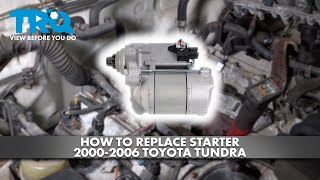
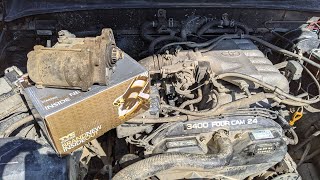
- 3.4L V6 Models: The starter is on the passenger side of the engine block, near the exhaust. While still in a tight spot, it is far more accessible and the replacement is much simpler and cheaper.
Choosing the Right Aftermarket Starter

With a part like the starter on the 4.7L V8, the cost of labor is much higher than the cost of the part itself. This makes choosing a high-quality, reliable brand extremely important to avoid doing the job twice. For the easier-to-access V6 starter, a standard-quality part can be a reasonable choice.
Premium Brands (Recommended for V8)
These brands are known for quality that meets or exceeds the original part. Denso was the Original Equipment Manufacturer (OEM) for Toyota, making it a top choice.
- Denso: Offers OEM-level fit and reliability. Whether you choose a new or a factory remanufactured Denso, you are getting a part designed specifically for your truck.
- Bosch: A globally respected brand known for high-quality electrical components. Bosch starters are built to high standards and are an excellent alternative to Denso.
Standard Quality Brands
These brands offer a balance of price and performance. They can be a good option for the 3.4L V6 where labor costs are lower, or for V8 owners on a tighter budget who understand the trade-off.
- Remy: A long-standing brand in the aftermarket. User experiences are generally positive, but quality can be less consistent than premium brands.
Economy Brands
These are the most budget-friendly options. While the low price is tempting, they carry a higher risk of premature failure. Given the difficult installation on the V8, these brands are not recommended for that engine.
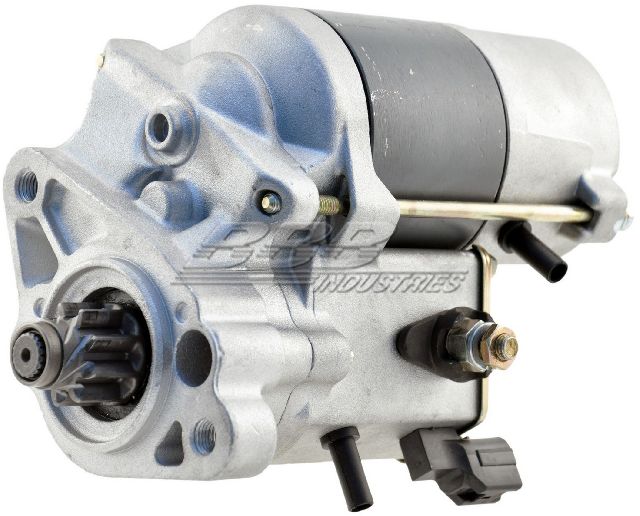
- WAI Global, Skyward, BBB Industries: Reviews for these brands are mixed, with some users reporting early failures. The potential savings on the part may not be worth the risk of a repeat repair.
Frequently Asked Questions

How do I know if it's my starter or just a dead battery?
Try jump-starting the truck. If it starts right up with a jump, your issue is likely a weak battery or a failing alternator that isn't charging it. If you try to jump-start it and all you get is the same single "click" or a slow crank, the starter is the most likely culprit.
Why is the starter replacement so expensive for the V8 Tundra?
The cost comes from labor, not the part. The starter is buried under the intake manifold in the center of the engine. A mechanic needs several hours to remove the top part of the engine just to access the two bolts holding the starter in place.
Can I replace the starter myself?
For the 3.4L V6, it is a manageable job for a DIYer with a good set of tools and some experience. For the 4.7L V8, it is a very difficult and time-consuming job. It is not recommended for beginners. You will need to disconnect fuel lines and remove the entire intake manifold, which requires careful reassembly and specific torque specs.
Are there any recalls on the 2000-2005 Tundra starter?
No. While this generation of Tundra had significant recalls for frame rust and airbags, there are no specific NHTSA recalls or Technical Service Bulletins (TSBs) related to the starter motor itself.
Helpful Videos
Technical Specifications
OEM Part Numbers: 28100-50101-84 28100-0C010 28100-50080
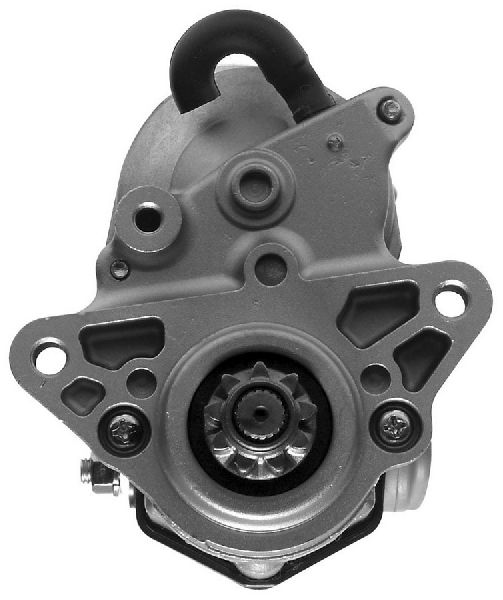
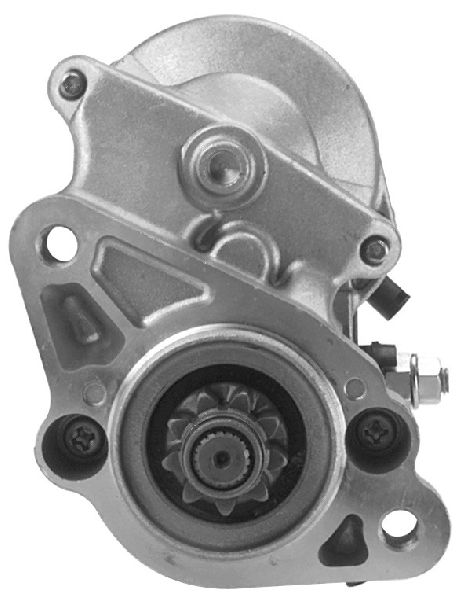
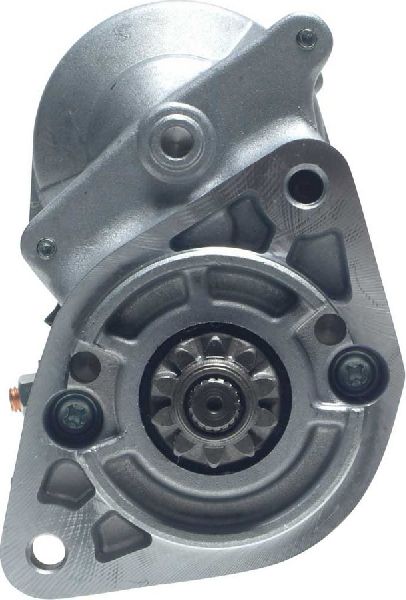
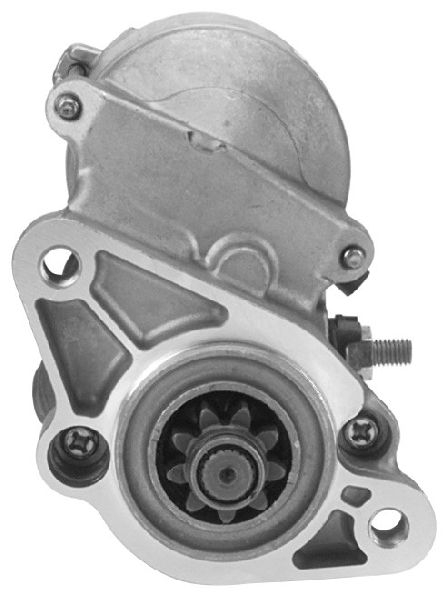
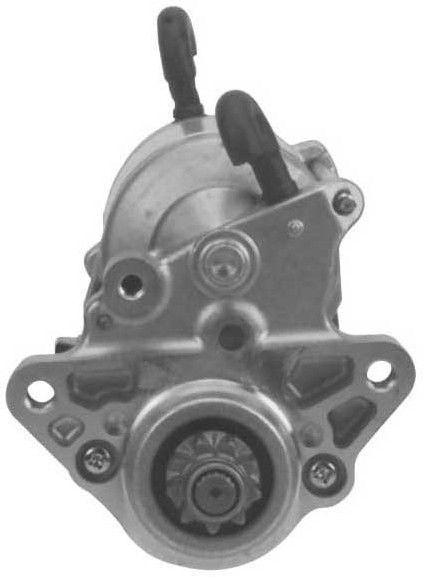
Varies by engine. The 4.7L V8 uses a gear reduction starter located under the intake manifold. The 3.4L V6 uses a more conventional starter located on the passenger side of the engine block.
We Have This Part in Stock

The information in this article is provided for general reference and educational purposes only. Vehicle specifications, procedures, and part compatibility can vary by production date, trim level, and region. Always consult your vehicle's factory service manual and verify part numbers before purchasing or performing repairs. Safety-critical components such as airbags, seat belts, and braking systems should be installed by a qualified professional.
- Toyota Tundra: