

A Tundra Owner's Guide to Oxygen Sensor Replacement (2000-2005)
Keep your first-generation Tundra running right by understanding its crucial oxygen sensors.
- Denso is the Original Equipment Manufacturer (OEM) for Toyota and is the most recommended brand for reliability.
- Your Tundra has four sensors; use a code scanner to identify the exact one that failed before you buy a replacement.
- A special O2 sensor socket is highly recommended for removal, as the old sensors are often rusted in place.
- Ignoring a bad oxygen sensor can lead to reduced gas mileage and potential damage to your catalytic converters.
Symptoms of a Failing Oxygen Sensor

A bad oxygen sensor will almost always trigger your truck's check engine light. Other common signs include a noticeable drop in fuel economy, a rough or unsteady idle, and failing an emissions test. You might not feel a major change in how the truck drives at first, but ignoring a bad sensor can lead to more expensive problems, like a damaged catalytic converter.
Check the Code Before You Buy
Your Tundra has four separate oxygen sensors. Before ordering a replacement, use an OBD-II scanner to read the specific trouble code. This will tell you exactly which sensor has failed (e.g., Bank 1 Sensor 1, Bank 2 Sensor 2), preventing you from replacing the wrong part.
Choosing the Right Aftermarket Oxygen Sensor

When it comes to oxygen sensors for a Toyota, not all aftermarket brands are created equal. Owner experiences and mechanic recommendations show a strong preference for certain brands.
Tier 1: OEM Equivalent (Recommended)
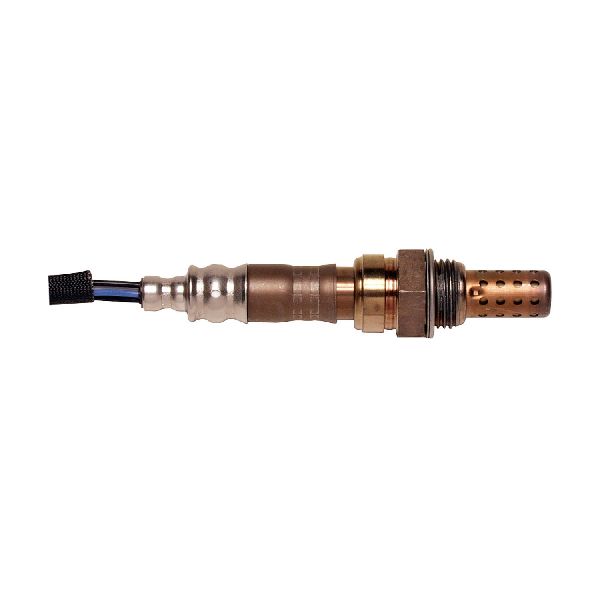
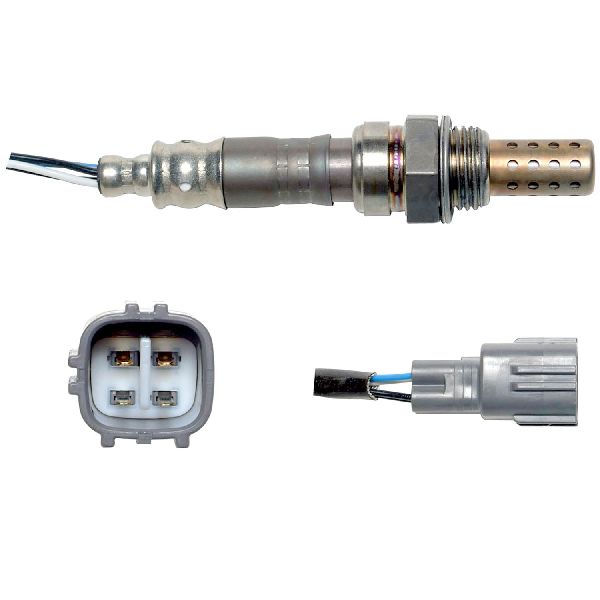
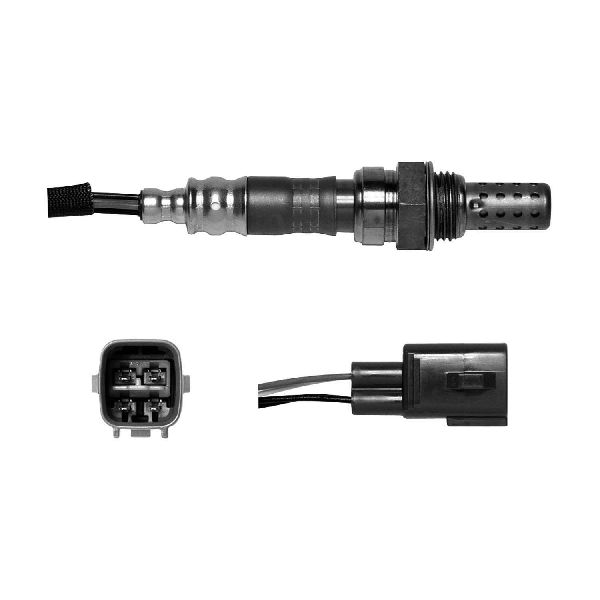
Denso: Denso is the original equipment manufacturer (OEM) for Toyota's oxygen sensors. This means a Denso sensor from an auto parts store is the same part you'd get from a Toyota dealership, just without the Toyota box and price tag. For a direct fit and guaranteed performance without issues, Denso is the top choice for Tundra owners. Many forum users and mechanics strongly recommend sticking with Denso to avoid problems.
Tier 2: Quality Aftermarket
NGK/NTK: NGK (also known as NTK for sensors) is another highly respected Japanese brand that is often an OEM supplier for many automakers. Their sensors are considered a reliable and high-quality alternative to Denso.
Bosch: Bosch is a massive, well-known German parts manufacturer that invented the oxygen sensor. While their quality is generally good, some mechanics and Toyota owners report mixed results when using Bosch sensors in Japanese vehicles, sometimes leading to compatibility issues. However, other owners have used them for years without any problems. If you choose Bosch, ensure it is a direct-fit model, not a universal one.
Tier 3: Budget Options
Delphi, Walker Products, Spectra, URO Parts, DriveWire: These brands offer more budget-friendly options. While they can work, they are sometimes associated with a shorter lifespan or being dead-on-arrival (DOA). An experienced ASE master technician noted that for critical electronic parts like O2 sensors, it's generally best to stick with the OEM brand (Denso for Toyota). These could be a viable option if budget is the primary concern, but be aware of the potential for mixed quality.
Pro Tip: Use an O2 Sensor Socket
These sensors can be extremely tight and rusted into the exhaust pipe. A special O2 sensor socket, which has a slot for the wire, makes the job much easier and helps prevent rounding off the sensor. Applying heat to the exhaust bung may be necessary for stubborn sensors.
Known Issues, Recalls, and TSBs
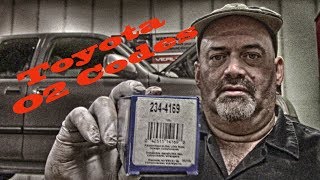
Technical Service Bulletin (TSB) EG019-02: For 2000-2002 Tundras with the 2UZ-FE V8 engine, Toyota issued a TSB for the check engine light with codes P0135 or P0155. 🎬 Watch: Understanding common Toyota oxygen sensor trouble codes This was due to an issue with the original oxygen sensors, and improved parts were released to fix the condition. If you have an earlier model from this range throwing these codes, it's likely related to this known issue.
Recalls: There have been no specific recalls for oxygen sensors on the 2000-2005 Toyota Tundra. There was, however, a significant recall for frame rust and corrosion in cold-weather states, which in some cases could affect components near the exhaust like brake lines.
Cost Comparison
The price for a new oxygen sensor can vary significantly based on the brand and whether it's an upstream or downstream unit.
| Part Type | Estimated Cost |
|---|---|
| New Aftermarket | $25 - $373 |
| New OEM (Toyota Branded) | $160 - $250+ per sensor |
| Shop Labor | $100 - $200 per sensor |
Frequently Asked Questions (FAQ)


How many oxygen sensors does my 2000-2005 Tundra have?
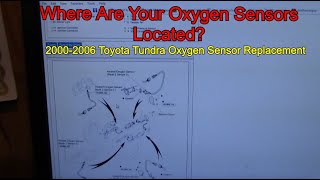
Your Tundra has four oxygen sensors. There is one upstream (before the catalytic converter) and one downstream (after the catalytic converter) on each side of the exhaust (Bank 1 and Bank 2).
What's the difference between upstream and downstream sensors?
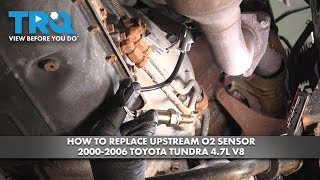
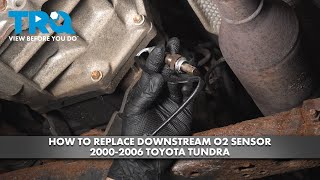
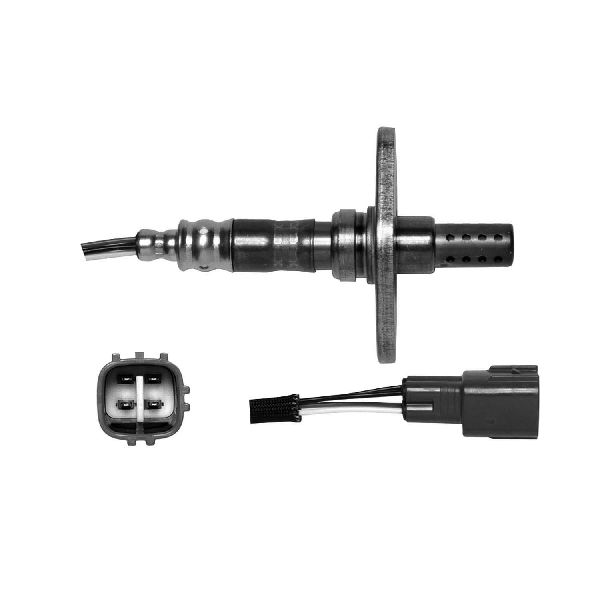
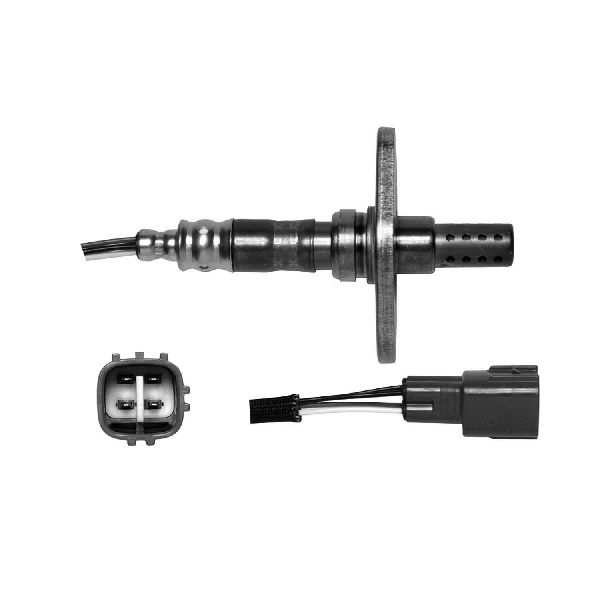
The upstream (Sensor 1) is an Air/Fuel Ratio Sensor that helps the engine computer fine-tune the fuel mixture for efficiency. 🎬 See this step-by-step upstream sensor replacement walkthrough The downstream (Sensor 2) is a standard oxygen sensor that monitors the catalytic converter's health. 🎬 Watch: How to replace a downstream oxygen sensor They are not interchangeable.
What do the sensor codes mean? (e.g., Bank 1, Sensor 2)
"Bank 1" refers to the side of the engine with cylinder #1 (driver's side on the Tundra), while "Bank 2" is the passenger side. "Sensor 1" is the upstream sensor (before the cat), and "Sensor 2" is the downstream sensor (after the cat). So, "Bank 2, Sensor 1" is the passenger-side upstream sensor.
Can I just clean my old oxygen sensor?
No. Cleaning a contaminated or failed oxygen sensor is not a reliable repair. The internal sensing element wears out over time, and the only proper fix is a full replacement.
Why shouldn't I buy the cheapest sensor on Amazon or eBay?
Many Tundra owners and mechanics warn against buying critical electronic parts from Amazon or eBay due to the high risk of receiving counterfeit or fake parts that will not work correctly or fail quickly. It's safer to buy from a reputable auto parts retailer.
Helpful Videos
Technical Specifications
OEM Part Numbers: 89465-34140 89465-34150 89465-09300 89467-0C010
Vehicle has four oxygen sensors: two upstream (Air/Fuel Ratio sensors) and two downstream (catalyst monitors). Locations are Bank 1 (driver side) and Bank 2 (passenger side).
We Have This Part in Stock


The information in this article is provided for general reference and educational purposes only. Vehicle specifications, procedures, and part compatibility can vary by production date, trim level, and region. Always consult your vehicle's factory service manual and verify part numbers before purchasing or performing repairs. Safety-critical components such as airbags, seat belts, and braking systems should be installed by a qualified professional.
- Toyota Tundra: