

A Home Mechanic's Guide to the 2000-2005 Toyota Echo Oxygen Sensor
Fix your check engine light and bad gas mileage by choosing the right oxygen sensor for your Echo.
- For best results, choose a Denso or NGK/NTK brand oxygen sensor, as Denso was the original manufacturer for your Echo.
- Your Echo has two sensors; use an OBD-II scanner to read the code (like P0135 or P0141) to know which one to replace.
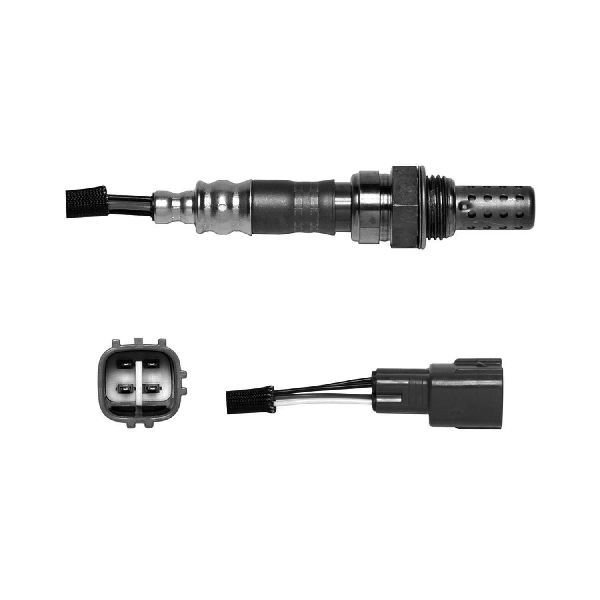
- Always buy a 'direct-fit' sensor with the correct plug; avoid 'universal' sensors that require cutting and splicing wires.
- Ignoring a bad oxygen sensor can lead to reduced fuel economy and potential damage to your expensive catalytic converter.
Is a Bad Oxygen Sensor a Big Deal?

Yes, it can be. A failing oxygen sensor sends bad information to your car's computer. This can cause your Echo to burn too much gas, run poorly, and produce more pollution. If you ignore a bad upstream sensor for too long, it can cause expensive damage to your catalytic converter, a very costly part to replace.
Symptoms of a Failing Oxygen Sensor in a Toyota Echo

Your Echo will usually give you clear signs when an O2 sensor is going bad. The most obvious symptom is the Check Engine Light turning on. You might also notice other problems:
- Worse Gas Mileage: You'll find yourself filling up the tank more often.
- Rough Engine Idle: The engine may shake or sound uneven when you're stopped.
- Poor Performance: The car might feel sluggish or hesitate when you accelerate.
- Failed Emissions Test: A bad sensor is a common reason for failing a smog check.
- Bad Smells: You might smell rotten eggs or raw gasoline from the exhaust.
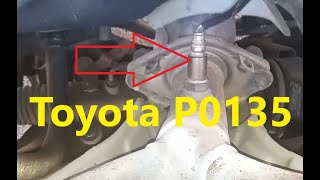
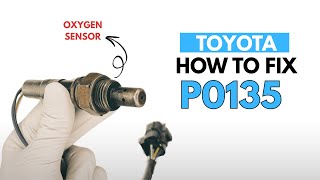
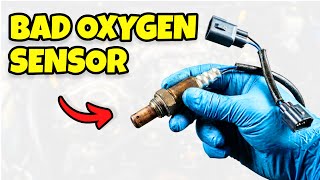
An OBD-II scanner can read the trouble codes from your car's computer. For the Echo, common codes for a bad oxygen sensor include P0135 (Upstream Heater Circuit) and P0141 (Downstream Heater Circuit). 🎬 See how to fix a P0141 code on an Echo Always check the code before buying a part to make sure you are replacing the correct sensor.
Choosing the Right Aftermarket Oxygen Sensor

When it comes to sensors for a Toyota, the brand you choose matters. For the best results, you want a part that works exactly like the original. Not all aftermarket brands are created equal.
Tier 1: OEM-Equivalent Brands
Brands: Denso, NGK (NTK)
Assessment: Denso is the company that made the original oxygen sensors for your Toyota Echo. Choosing a Denso aftermarket sensor is the closest you can get to buying the part from a Toyota dealer, but at a better price. NGK (which sells its sensors under the NTK brand name) is another top-tier Japanese manufacturer known for making OEM-quality sensors. For a trouble-free repair, sticking with Denso or NTK is the most recommended path.
Tier 2: Reputable Aftermarket Brands
Brands: Bosch, Delphi, Walker Products
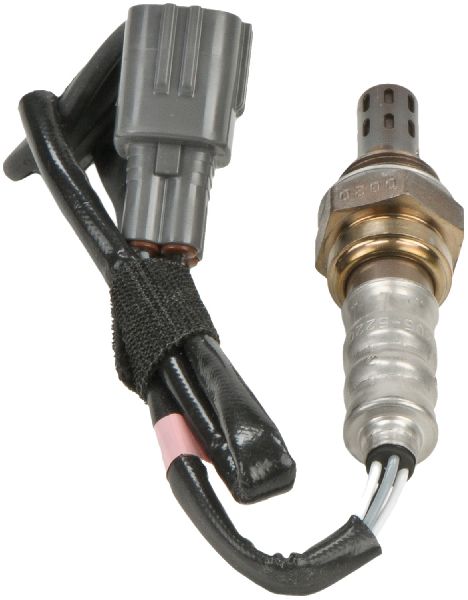
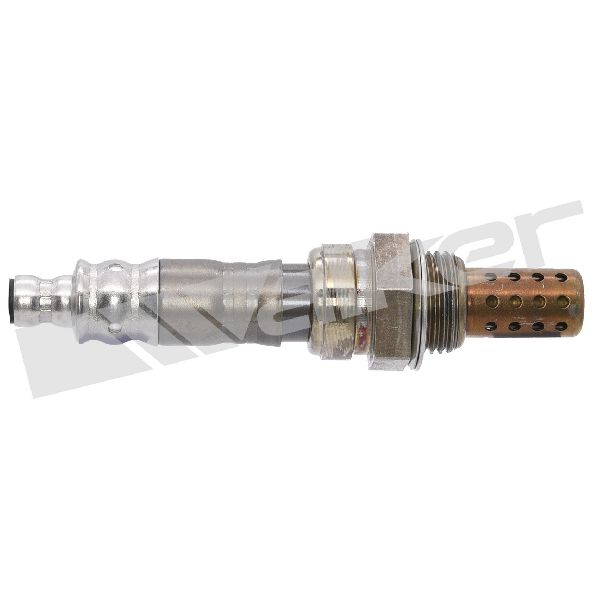
Assessment: Bosch is a huge, well-respected parts maker that invented the oxygen sensor. Their sensors are generally high quality. However, some mechanics and Toyota owners strongly prefer to use Denso or NGK in Japanese cars to guarantee perfect compatibility. Delphi and Walker are also established brands that produce reliable parts.
Tier 3: Budget Brands
Brands: DriveWire, Spectra, Hella, and other store brands.
Assessment: While the low price is tempting, budget sensors can be a gamble. They might not last as long, or their readings might not be as precise as an OEM-spec sensor. This can lead to continued performance problems or the check engine light coming back on. It is usually worth spending a little more for a Denso or NTK sensor to do the job right the first time.
Universal vs. Direct-Fit
You will see "universal" and "direct-fit" sensors. A direct-fit sensor comes with the correct plug for your Echo and is ready to install. A universal sensor requires you to cut the plug off your old sensor and splice it onto the new one. Always choose a direct-fit sensor. The small cost savings of a universal part are not worth the risk of a bad connection, which can cause the new sensor to fail.
Known Issues, Recalls, or TSBs
Searches of the National Highway Traffic Safety Administration (NHTSA) database and other sources did not find any specific recalls or technical service bulletins (TSBs) for the oxygen sensors on the 2000-2005 Toyota Echo.
Installation Tips

Replacing the oxygen sensor on an Echo is a job most DIYers can handle in under an hour.
- Location: The upstream sensor is on the front of the engine, in the exhaust manifold. The downstream sensor is under the car, after the catalytic converter. Its wire runs up through a grommet in the floor and connects under the center console inside the car.
- Tools: You will need a special 22mm oxygen sensor socket, which has a slot for the wire to pass through.
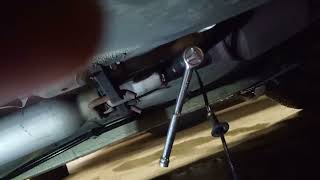
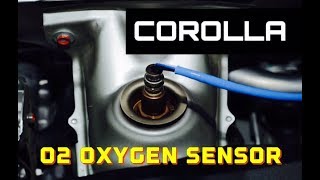
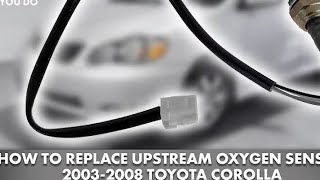
- Be Prepared: O2 sensors can be very tight and rusty. Let the car cool down completely, then soak the old sensor's threads with penetrating oil a day before you plan to do the work. You may need a long-handled ratchet or breaker bar for extra leverage. 🎬 Watch this walkthrough for replacing an upstream oxygen sensor
- Anti-Seize: New sensors usually come with anti-seize compound on the threads. If not, apply a small amount to the threads of the new sensor before installing, being careful not to get any on the sensor tip.
| Part/Service | Estimated Cost |
|---|---|
| New Aftermarket Oxygen Sensor | $39 - $138 |
| New OEM Oxygen Sensor (Dealer) | $170 - $200 |
| Shop Labor | $80 - $150 |
| Total Shop Replacement | $220 - $370 |
Frequently Asked Questions

How many oxygen sensors does a 2000-2005 Toyota Echo have?
It has two: one upstream (before the catalytic converter) and one downstream (after the catalytic converter).
What is the difference between the upstream and downstream sensor?
The upstream sensor (also called Bank 1, Sensor 1) helps control the engine's air-fuel mixture. The downstream sensor (Bank 1, Sensor 2) monitors the catalytic converter's efficiency. They are not interchangeable, so make sure you buy the correct one for the location you are replacing.
Do I need a special tool to replace an oxygen sensor?
Yes, it is highly recommended. A 22mm oxygen sensor socket has a cutout for the sensor's wire, making removal and installation much easier.
Should I replace both sensors at the same time?
You don't have to. It's fine to only replace the sensor that has failed. However, since they are exposed to the same conditions, if one fails due to age and high mileage, the other may not be far behind.
Can I clean my oxygen sensor?
While some people attempt to clean them, it is not a reliable or long-term fix. The internal sensing elements wear out over time, and cleaning will not restore them. Replacement is the only guaranteed solution.
Helpful Videos
Technical Specifications
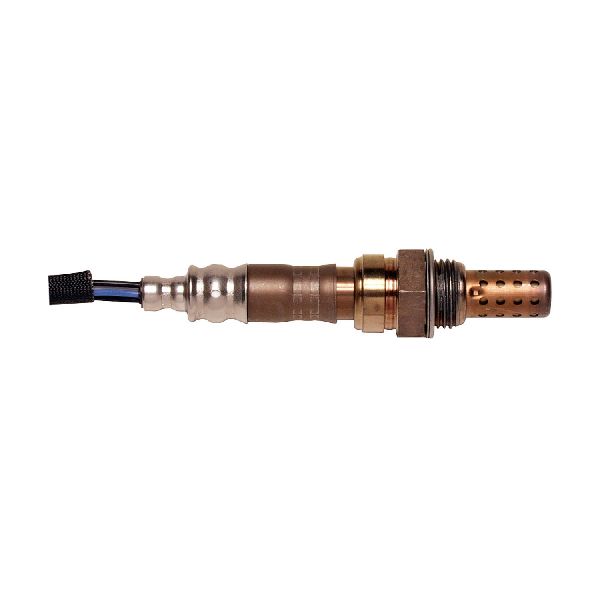
OEM Part Numbers: 89465-52190 89465-52050 89465-52060 89465-52200 89465-52120
The 2000-2005 Toyota Echo uses a 1.5L 4-cylinder engine (1NZ-FE) and requires two oxygen sensors: one upstream (Air/Fuel Ratio Sensor) and one downstream. Both are heated sensors with direct-fit connectors. The thread size is M18-1.50.
We Have This Part in Stock


The information in this article is provided for general reference and educational purposes only. Vehicle specifications, procedures, and part compatibility can vary by production date, trim level, and region. Always consult your vehicle's factory service manual and verify part numbers before purchasing or performing repairs. Safety-critical components such as airbags, seat belts, and braking systems should be installed by a qualified professional.
- Toyota Echo: