

Peterbilt 362 Radiator Coolant Hose Guide for Model Years 2000-2005
Keep your classic Peterbilt 362 running cool by knowing when and how to replace your radiator hoses.
- Regularly inspect radiator hoses for leaks, swelling, or cracks, especially on an older truck like the 362.
- If one hose is bad, replace both the upper and lower hoses and use new clamps.
- Aftermarket brands like Dayco are a cost-effective option, but double-check the fit of molded hoses against the original part before installation.
- No specific recalls for radiator hoses exist for this model; failure is typically due to age and wear.
Signs of a Failing Radiator Hose
On a hard-working Cab-Over-Engine (COE) truck like the Peterbilt 362, the cooling system is always under stress. Hoses don't last forever. It's better to replace them on your terms than to have one fail on the road. During your regular vehicle inspections, look for these signs:
- Coolant Leaks: This is the most obvious symptom. You may find puddles of green, yellow, or pink fluid under your truck. Also look for white or colored crusty residue on or around the hoses and their connection points.
- Swollen or Spongy Hoses: When the engine is cold, give the hoses a squeeze. If a hose feels soft, spongy, or swollen, its internal structure is breaking down. This can be caused by age or contamination from oil. A swollen hose can burst without warning.
- Hard or Brittle Hoses: Over many years and heat cycles, rubber can become hard and brittle. A hose in this condition can easily crack or split.
- Visible Damage: Look closely for cracks, splits, or fraying, especially near the hose clamps where stress is highest. Any visible damage means the hose needs to be replaced immediately.
- Engine Overheating: If your temperature gauge starts to climb, it could be due to a loss of coolant from a failing hose. Don't ignore this, as overheating can cause severe engine damage.
A Note on 2000-2005 Models
The Peterbilt 362 model was at the end of its long production run in the early 2000s, having been produced since 1981. While some sources state production ended in 2005, these later models are less common. This guide is for you, but be aware that parts sourcing can sometimes be a challenge for these classic trucks.
Choosing the Right Aftermarket Hose
For a vehicle of this age, OEM parts can be difficult to find and expensive. Aftermarket parts are a common and practical choice. However, quality can vary.
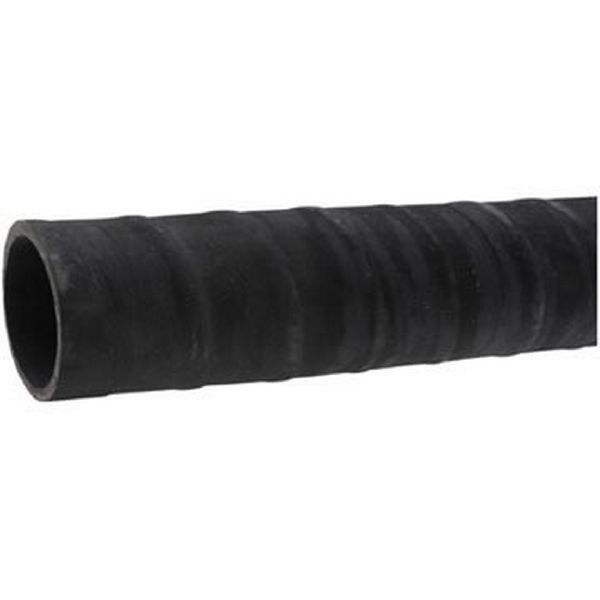
- Brand: Dayco - Dayco is a well-known aftermarket manufacturer that produces radiator hoses for heavy-duty applications. Their hoses are typically made from EPDM rubber with knitted reinforcement to resist heat and contaminants.
- Quality & Fitment: Owner feedback on Dayco hoses is mixed. While the material quality is generally considered good, some mechanics report issues with the shape and fit of molded hoses not perfectly matching the original part. This can make installation more difficult. When buying an aftermarket hose, it's a good idea to compare it to the old one before you start the replacement.
Replace Hoses and Clamps Together
If you are replacing one radiator hose, it's smart to replace both the upper and lower hoses at the same time. They have been exposed to the same conditions for the same amount of time. Always use new hose clamps to ensure a tight, leak-free seal. Old clamps can lose their tension over time.
Known Issues, Recalls, and TSBs
A search of the National Highway Traffic Safety Administration (NHTSA) database and other public records did not show any specific recalls or Technical Service Bulletins (TSBs) related to radiator coolant hoses for the 2000-2005 Peterbilt 362. General maintenance and regular inspection are your best defense against failure.
Estimated Replacement Costs
The cost to replace radiator hoses can vary based on your location and whether you do the work yourself. Here are some general estimates:
| Part/Service | Estimated Cost |
|---|---|
| New Aftermarket Hoses (e.g., Dayco) | $80 - $90 |
| New OEM Hoses | $150 - $250+ (If available) |
| Shop Labor | $150 - $400 |
*Prices are estimates and can vary. Labor costs are based on 1-2 hours at a typical heavy-duty mechanic rate.
Frequently Asked Questions (FAQ)
How difficult is it to replace the radiator hoses on a Peterbilt 362?
For an experienced mechanic or truck owner, this is a moderately easy job. The main steps involve draining the coolant, removing the old hoses (which may require cutting them off if they are stuck), installing the new hoses, and refilling and bleeding the cooling system. Access on a COE truck can be a bit different, but it's a manageable task.
What kind of coolant should I use in my Peterbilt 362?
Always use a heavy-duty coolant that is appropriate for the specific diesel engine in your truck (Caterpillar, Cummins, or Detroit Diesel). Using the wrong type of coolant can cause corrosion and damage to your cooling system. Check your engine's service manual for the exact specification.
Why is my new hose leaking?
A leak with a new hose is often due to the connection. First, make sure the radiator inlet/outlet and engine fittings are clean and free of old hose material or corrosion. Second, always use new hose clamps and position them correctly. Finally, as mentioned, some aftermarket hoses may not have a perfect fit, which can contribute to leaks.
Should I replace other parts at the same time?
When replacing radiator hoses, it's a good time to inspect the entire cooling system. Check the condition of the smaller heater hoses, the thermostat, and the water pump. If you're already draining the coolant, replacing these other wear items can save you time and labor down the road.
Technical Specifications
Hoses must be compatible with heavy-duty diesel engines and the specific engine type (Caterpillar, Cummins, Detroit Diesel) in the truck.
We Have This Part in Stock

The information in this article is provided for general reference and educational purposes only. Vehicle specifications, procedures, and part compatibility can vary by production date, trim level, and region. Always consult your vehicle's factory service manual and verify part numbers before purchasing or performing repairs. Safety-critical components such as airbags, seat belts, and braking systems should be installed by a qualified professional.
- Peterbilt 362: