

Chevrolet LUV 2000-2005 Engine Intake Manifold Temperature Sensor Facts
Shopping for an intake sensor for a 2000-2005 LUV? Here is what you need to know about this truck's history in North America.
- The 2000-2005 Chevrolet LUV was not sold in the North American market; parts listings for it are likely database errors.
- The correct Chevrolet compact truck for this period in North America is the Chevrolet S-10.
- Before buying, confirm if the part is for a non-US LUV or if it's a mislabeled part for a different vehicle like the S-10.
- Symptoms of a bad IAT sensor are consistent across most vehicles and include a check engine light, poor fuel economy, and rough idle.
A Note on the 2000-2005 Chevrolet LUV in North America
Before purchasing parts, owners should be aware that the Chevrolet LUV was not sold new in the North American market between the model years 2000 and 2005. The sale of the LUV in the United States and Canada ended after the 1982 model year, when it was replaced by the Chevrolet S-10 pickup. During the 2000-2005 period, Chevrolet's compact truck in North America was the S-10.
The 2000-2005 Chevrolet LUV was manufactured and sold in other markets, such as South America, and was based on the Isuzu Faster/Rodeo platform. Online parts listings that show an Engine Intake Manifold Temperature Sensor for a 2000-2005 Chevrolet LUV in the US are often the result of database errors. These listings may be incorrectly applying information from the South American LUV or mislabeling parts intended for the Chevrolet S-10.
Symptoms of a Failing Intake Air Temperature Sensor
While there is no specific data for a North American 2000-2005 LUV, the symptoms of a bad IAT sensor are universal across most vehicles. A failing sensor sends incorrect information to the engine's computer, which can lead to several issues.
- Check Engine Light: This is often the first sign. The computer will log a trouble code, such as P0112 or P0113, when it detects a problem with the sensor's signal.
- Poor Fuel Economy: If the sensor incorrectly reads the air as colder than it is, the computer will inject too much fuel, causing the engine to run rich and waste gas.
- Rough Idle: An incorrect air-fuel mixture can cause the engine to idle erratically.
- Hard Starting: The engine may be difficult to start, especially in cold weather, if the computer cannot get an accurate air temperature reading to create the proper starting fuel mixture.
- Failed Emissions Test: An improper air-fuel ratio will increase harmful emissions, likely causing the vehicle to fail an emissions test.
Choosing the Right Aftermarket Part
If you are working on a Chevrolet LUV from a market outside North America or have determined the part is compatible with another vehicle like the S-10, you have options for aftermarket brands.
| Brand Tier | Brands | General Assessment |
|---|---|---|
| Standard Replacement | Standard Ignition, True Tech | These brands offer a cost-effective solution for this type of sensor. For a simple component like an IAT sensor, these parts are generally reliable and meet original specifications, making them a suitable choice for a daily-use vehicle. |
Frequently Asked Questions
Why do I see parts for a 2000-2005 Chevrolet LUV if it wasn't sold in the US?
This is a common issue with large, automated parts catalogs. The 2000-2005 LUV existed in markets outside of North America. Sometimes, data for those vehicles is mistakenly applied to the US market. It's also possible the part is for the Chevrolet S-10 but is mislabeled. Always verify the part against your original sensor if possible.
Is the Intake Air Temperature sensor the same as the Coolant Temperature Sensor?
No, they are different sensors. The IAT measures air temperature, while the Coolant Temperature Sensor (CTS) measures the engine's coolant temperature. They perform different functions but can sometimes look similar.
Where is the IAT sensor located?
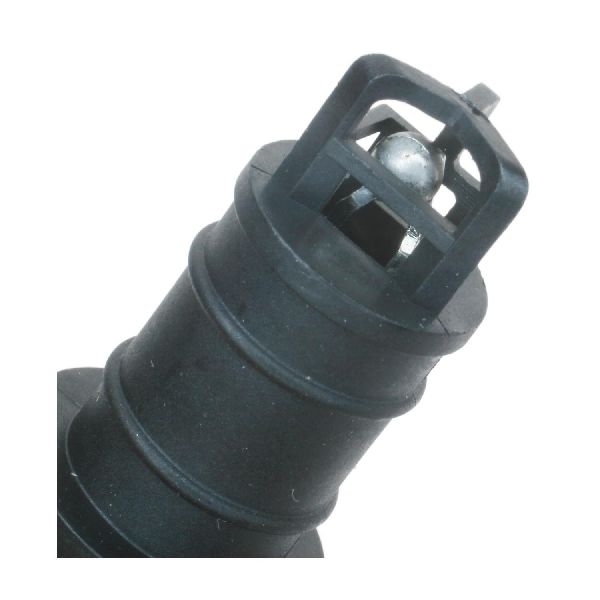
On most trucks from this era, the IAT sensor is a simple two-wire sensor located in the air intake duct, between the air filter box and the throttle body. It is often pushed into a rubber grommet or threaded into the intake tube itself.
Can I clean a faulty IAT sensor?
Sometimes, cleaning the sensor tip with a dedicated electronics or MAF sensor cleaner can resolve issues if it is merely dirty. However, if the sensor has failed internally, cleaning will not help, and it will need to be replaced. Given the low cost of a new sensor, replacement is often the most reliable repair.
Technical Specifications
No OEM part numbers are available for a 2000-2005 Chevrolet LUV in the North American market, as the vehicle was not sold here.
We Have This Part in Stock


The information in this article is provided for general reference and educational purposes only. Vehicle specifications, procedures, and part compatibility can vary by production date, trim level, and region. Always consult your vehicle's factory service manual and verify part numbers before purchasing or performing repairs. Safety-critical components such as airbags, seat belts, and braking systems should be installed by a qualified professional.
- Chevrolet LUV: