

Engine Camshaft Position Sensor Guide for 2000-2004 Toyota Avalon
Solve stalling, rough idling, and no-start problems in your Avalon by understanding this critical sensor.
- Your 2000-2004 Avalon has two camshaft position sensors; the rear one (Bank 1) is much harder to replace.
- Symptoms of failure include a Check Engine Light (P0340), stalling, hard starts, and rough idling.
- Denso is the Original Equipment Manufacturer (OEM); choosing their aftermarket sensor is a reliable option.
- Due to the difficult labor for the rear sensor, using a high-quality part is strongly recommended to avoid repeat repairs.
Symptoms of a Failing Camshaft Position Sensor
When a camshaft position sensor starts to fail, your Avalon will give you some clear signs. Because the sensor's data is so important for engine timing, a bad signal can cause a range of problems, from annoying to serious.
- Difficulty Starting: The engine may crank for a long time before it starts, or it might not start at all.
- Engine Stalling: The car might suddenly stall while driving or when idling at a stop.
- Rough Idle: You may feel vibrations or shaking when the car is in park or at a red light.
- Poor Acceleration: The car may feel sluggish and lack power when you press the gas pedal.
- Reduced Fuel Economy: Incorrect timing can cause the engine to burn more fuel than necessary.
Choosing the Right Aftermarket Sensor
For Toyota vehicles, the choice between Original Equipment (OEM) and aftermarket parts is important. Denso is the original manufacturer for many of Toyota's electronics, including this sensor. This means a Denso-branded aftermarket part is often identical to the one sold at the Toyota dealership, but at a lower price.
Brand Quality Tiers
Not all aftermarket brands are created equal. Here’s a breakdown of what to expect:
- Premium Aftermarket (OEM Supplier): Denso is the top choice as they are the original supplier. Brands like Delphi and NGK also have a strong reputation for producing high-quality sensors that meet or exceed OEM specifications. These are your most reliable options.
- Trusted Aftermarket: Brands like Standard Ignition (SMP) and Hitachi offer a good balance of quality and value. They are well-regarded in the industry and are generally a safe bet for a reliable repair.
- Economy Brands: Brands like Dorman, Global Parts, and True Tech offer a budget-friendly price. While they can be a good short-term solution, some professional mechanics and owners report a higher failure rate and less consistent quality compared to premium brands. For a critical sensor like this, it's often worth spending a little more for a part from a more reputable manufacturer.
Known Issues, Recalls, or TSBs
Searches for the 2000-2004 Toyota Avalon did not reveal any specific recalls or Technical Service Bulletins (TSBs) directly related to the camshaft position sensors. However, there was a significant safety recall for the steering column bracket on these models. While unrelated to the sensor, it's a good idea to ensure this recall has been performed on your vehicle.
Cost to Replace an Engine Camshaft Position Sensor
The cost can vary significantly based on which of the two sensors is being replaced.
| Item | Estimated Cost |
|---|---|
| New Aftermarket Part | $30 - $75 |
| New OEM (Dealer) Part | $100 - $250+ |
| Shop Labor (Front - Bank 2) | $50 - $100 |
| Shop Labor (Rear - Bank 1) | $150 - $300+ |
Note: Labor costs are estimates. The rear sensor (Bank 1) is much more labor-intensive to replace due to its location near the firewall. 🎬 See how to access and replace the Bank 1 sensor
Frequently Asked Questions (FAQ)
How many camshaft sensors does my 2000-2004 Avalon have?
Your Avalon has two camshaft position sensors. One is for Bank 1 (the rear cylinder head, near the firewall) and the other is for Bank 2 (the front cylinder head, near the radiator).
Is it hard to replace the camshaft position sensor myself?
It depends on which one has failed. The front sensor (Bank 2) is easily accessible and can be replaced by a DIYer with basic tools in under an hour. 🎬 Watch this step-by-step guide for a front sensor replacement The rear sensor (Bank 1) is very difficult to reach and may require removing other components, making it a job better suited for an experienced mechanic.
Should I replace both sensors at the same time?
It's not strictly necessary, but it can be a good preventative measure, especially if your vehicle has high mileage. Since they are the same age, the other sensor may not be far from failing. If you are paying for labor to replace the difficult rear sensor, it may be wise to replace both to save on future labor costs.
What is the difference between a camshaft and crankshaft sensor?
They work together but measure different things. The camshaft sensor tracks the position of the camshafts (which control the valves), while the crankshaft sensor tracks the position of the crankshaft (which is connected to the pistons). A failure in either can cause similar symptoms, but the diagnostic trouble code will specify which circuit has a fault.
Helpful Videos
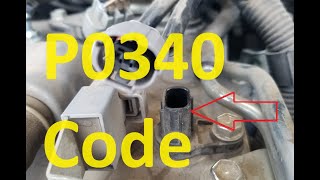
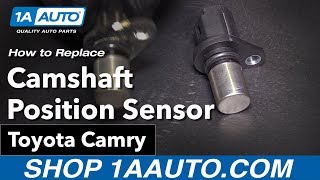
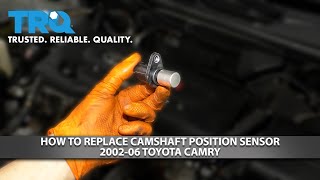
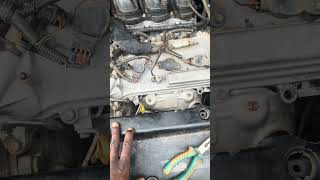
Technical Specifications
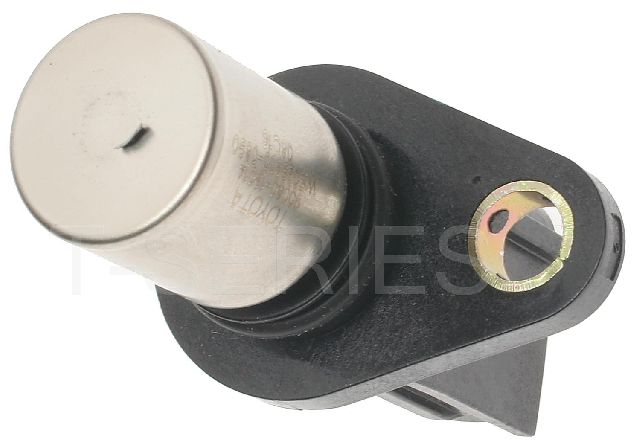
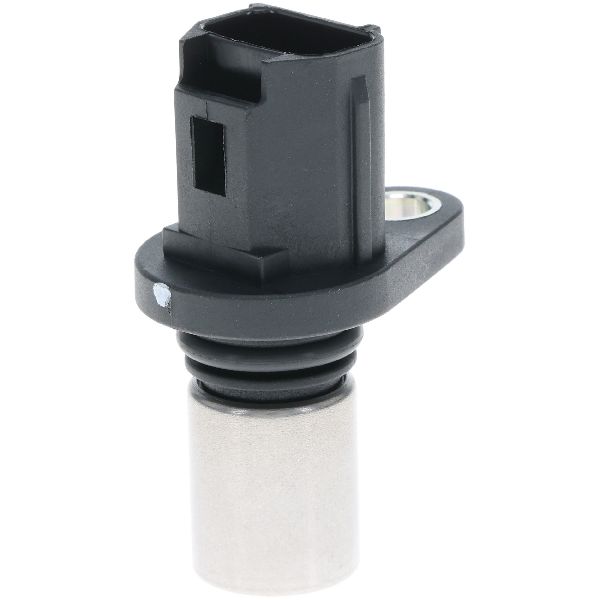
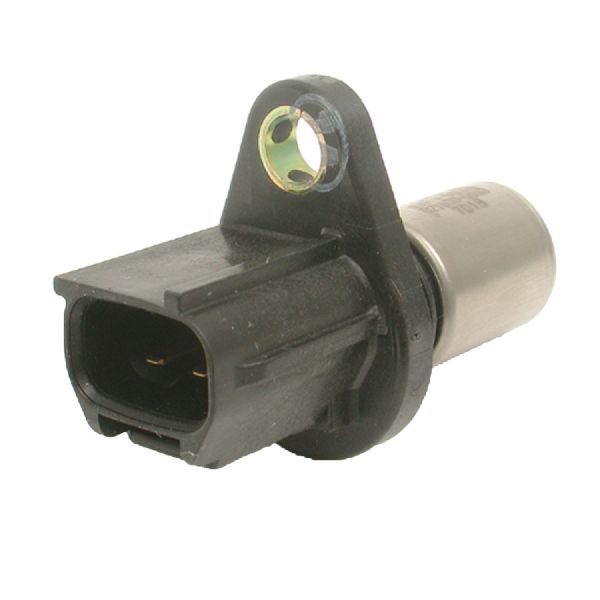
OEM Part Numbers: 90919-05024 90919-05026
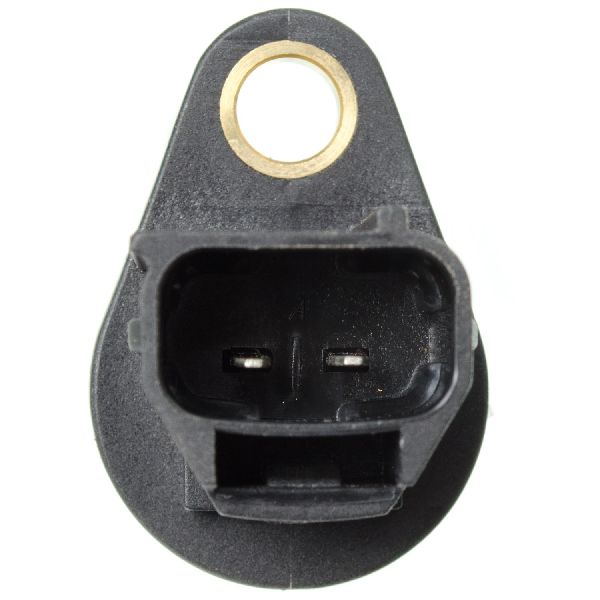
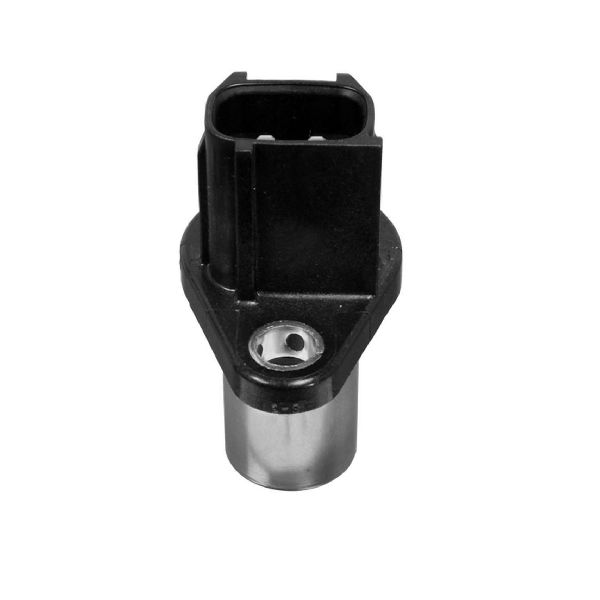
Your Avalon uses two sensors, one for the front cylinder bank (Bank 2) and one for the rear (Bank 1). While they are functionally similar, ensure you purchase the correct part for the specific bank you are replacing, as mounting or connectors can differ.
We Have This Part in Stock


The information in this article is provided for general reference and educational purposes only. Vehicle specifications, procedures, and part compatibility can vary by production date, trim level, and region. Always consult your vehicle's factory service manual and verify part numbers before purchasing or performing repairs. Safety-critical components such as airbags, seat belts, and braking systems should be installed by a qualified professional.
- Toyota Avalon: