

A Comprehensive Guide to the 2000 Saturn LW1 Steering Tie Rod End
Eliminate steering play and clunking noises by understanding how to choose the right replacement tie rod ends for your Saturn LW1.
- A bad tie rod end on your LW1 will cause loose steering, clunking noises, and rapid tire wear.
- A professional wheel alignment is MANDATORY after replacing any tie rod end to prevent tire damage.
- No specific recalls or TSBs exist for the 2000 LW1 tie rods, making aftermarket parts the standard replacement.
- Replacing tie rods in pairs (left and right) is recommended for balanced performance and to save on future labor and alignment costs.
Is Your Saturn LW1's Steering Feeling Loose?
As your 2000 Saturn LW1 ages, the steering components will naturally wear out. The tie rod ends are a common wear item. These parts have a ball-and-socket joint that allows the suspension to move up and down while you steer. Over time, this joint wears down, creating looseness or "play" in the steering system. This can lead to a number of noticeable symptoms.
Symptoms of a Failing Tie Rod End
A bad tie rod end is more than just an annoyance; it's a safety concern. If a tie rod end fails completely, you can lose steering control of a wheel. Watch for these warning signs:
- Steering Wheel Vibration: You may feel a shake or vibration in the steering wheel, especially at certain speeds.
- Clunking or Popping Noises: A distinct clunk, pop, or clicking sound from the front end when turning the steering wheel, especially at low speeds.
- Loose or Vague Steering: The steering may feel sloppy or have excessive play, requiring you 🎬 Watch this easy way to test for tie rod play. to constantly make small corrections to keep the car straight.
- Uneven Tire Wear: A worn tie rod end will cause the wheel alignment to be off, leading to rapid and uneven wear on the inside or outside edges of your front tires.
Safety First
While you can drive with a slightly worn tie rod end, a complete failure will result in a total loss of steering control for that wheel. If you hear loud popping or the steering feels very loose, it is not safe to drive. Have the vehicle inspected immediately.
Choosing the Right Aftermarket Tie Rod End
For a 2000 Saturn LW1, the original equipment (OEM) parts are no longer readily available from dealers. The aftermarket is your primary source for replacements. Quality among aftermarket brands can vary, but many offer parts that meet or exceed original specifications. Here's a breakdown of the available brands:
| Brand Tier | Brands | General Assessment |
|---|---|---|
| Premium Aftermarket | Moog, Delphi | Generally considered top-tier brands known for high-quality materials and often including improvements over the original design, like greaseable fittings for longer life. While Moog's reputation has seen some recent debate, its Problem Solver line is typically well-regarded. Delphi is often an OEM supplier to many manufacturers and is known for its quality. |
| Mid-Range / Value | Mevotech, QuickSteer | These brands offer a good balance of quality and price. Mevotech, in particular, often has multiple quality levels, so be sure to check the specific product line. They can be a solid choice for daily driving. |
| Standard / Economy | Dorman, Suspensia | These brands are often the most affordable. They can be a cost-effective solution for budget-conscious repairs, though they may not have the same longevity or advanced features (like grease fittings) as premium options. |
Pro Tip: Greaseable vs. Sealed
Some aftermarket tie rods come with a grease fitting (zerk fitting), while the original parts were likely sealed. A greaseable joint allows you to add fresh grease periodically, which can flush out contaminants and extend the life of the part. A sealed joint is maintenance-free but cannot be serviced.
Known Issues, Recalls, or TSBs
Searches for the 2000 Saturn LW1 did not reveal any specific recalls or Technical Service Bulletins (TSBs) directly related to the steering tie rod ends. There were recalls for other Saturn models concerning power steering issues, but these do not apply to the LW1's tie rods. Always check for recalls using your vehicle's specific VIN on the NHTSA website for the most accurate information.
Frequently Asked Questions (FAQ)
Do I need to replace inner and outer tie rods at the same time?
Not necessarily. You only need to replace the part that is worn. However, they often wear at a similar rate. If you are replacing an outer tie rod, it is a good time to inspect the inner tie rod and the components on the other side of the vehicle. 🎬 Follow this tutorial for replacing Saturn inner and outer tie rods. Since an alignment is required after replacement, doing them all at once can save you money on future alignments.
Is an alignment necessary after replacing a tie rod end?
Yes, absolutely. Replacing a tie rod end will change your vehicle's front-end alignment. Skipping the alignment will cause poor handling and destroy your tires in a very short time. You can get the new part installed to be "close enough" to drive to an alignment shop by counting the threads on the old part, but a professional alignment is mandatory.
Can I replace a tie rod end myself?
Yes, this is a feasible DIY job for someone with mechanical experience and the right tools. You will need a jack and jack stands, a good socket set, wrenches, and potentially a tie rod separator tool (pickle fork) or a large hammer to separate the old joint from the steering knuckle. Remember to factor in the cost of a professional alignment afterward.
🎬 See a step-by-step guide on replacing an outer tie rod.Should I replace them in pairs (left and right)?
It is highly recommended. Suspension components on both sides of a vehicle experience similar wear and tear. If one side has failed, the other is likely not far behind. Replacing them in pairs ensures balanced steering and handling and prevents you from having to do the same job—and get another alignment—in the near future.
Helpful Videos

Technical Specifications
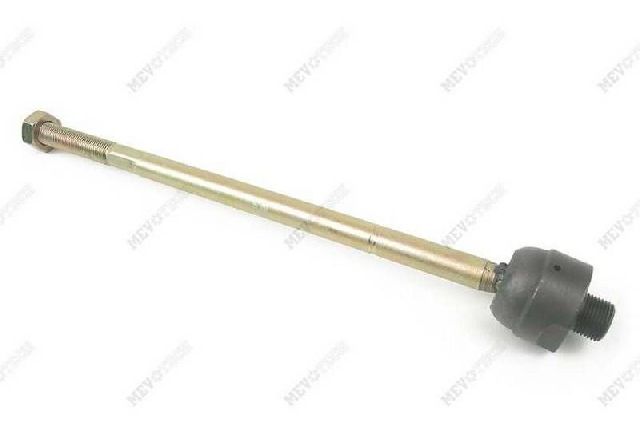
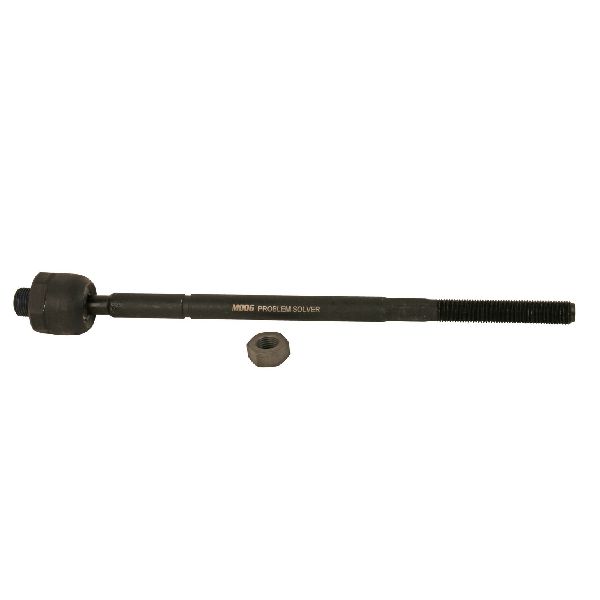
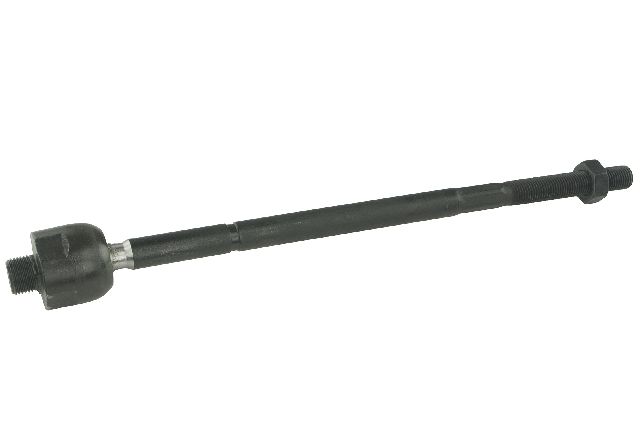
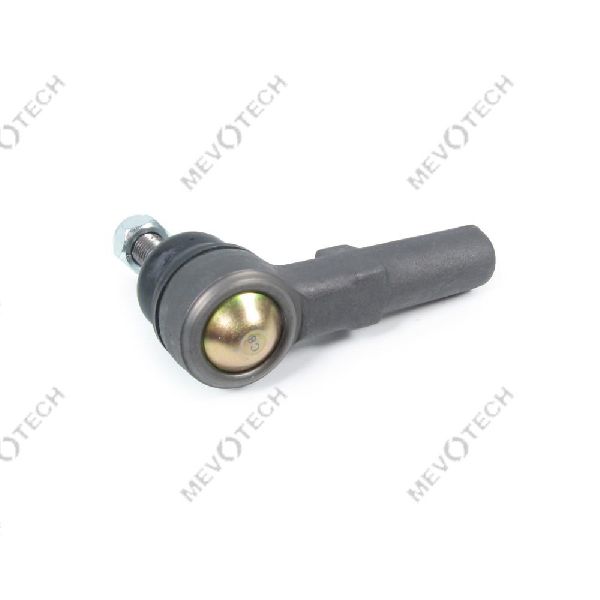
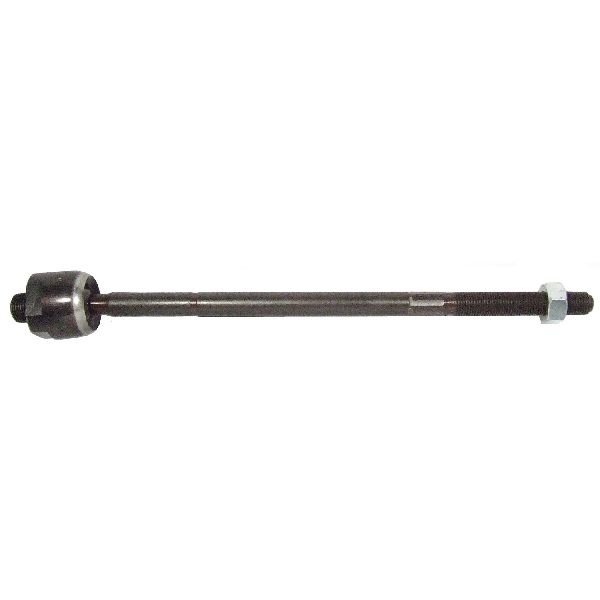
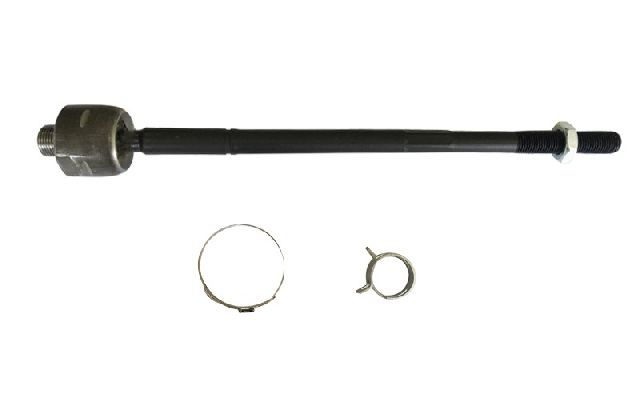
The 2000 Saturn LW1 uses a conventional inner and outer tie rod end design for its front steering linkage. Both left and right outer tie rods are typically the same part. Inner tie rods may be different. Always confirm the part fits your specific vehicle before purchase.
We Have This Part in Stock

The information in this article is provided for general reference and educational purposes only. Vehicle specifications, procedures, and part compatibility can vary by production date, trim level, and region. Always consult your vehicle's factory service manual and verify part numbers before purchasing or performing repairs. Safety-critical components such as airbags, seat belts, and braking systems should be installed by a qualified professional.
- Saturn LW1: