

A Guide to Choosing Aftermarket Brake Pads for Your 1999-2011 Saab 9-3
Get the right stopping power and quiet performance by selecting the best brake pads for your specific Saab 9-3.
- You must identify if you have a first-gen (1999-2002) or second-gen (2003-2011) Saab 9-3, as brake parts are not interchangeable.
- For second-gen cars, verify your specific rotor size (e.g., 302mm, 314mm, 345mm) before ordering, as it varies by trim.
- For a factory-like feel with low dust, choose OE-supplier brands like Textar, Pagid, or Akebono.
- To prevent uneven wear, especially on the rear brakes, always clean and lubricate caliper slide pins during installation.
Important: Know Your Saab 9-3 Generation
The 1999-2011 year range for the Saab 9-3 covers two distinct generations, and their brake parts are not interchangeable. Ordering the correct pads requires knowing which car you have.
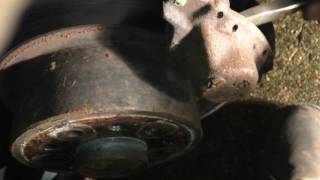
- First Generation (OG 9-3): 1999-2002 (and 2003 convertible): This model is based on the Saab 900 and has a unique brake system. Replacement is straightforward, often involving just removing pins to release the pads. 🎬 Watch a step-by-step guide for changing first generation rear pads.
- Second Generation (NG 9-3): 2003-2011: This model is based on a General Motors platform. It has different brake caliper designs and multiple rotor size options depending on the trim level (e.g., Linear, Arc, Vector, Aero, Turbo X). Aero and Turbo X models often have larger, more powerful brakes.
Pro Tip: Before ordering, check your door jamb sticker for a brake code or measure your rotor diameter. Common sizes for the second-generation models include 302mm, 314mm, and 345mm. Providing your Vehicle Identification Number (VIN) to the seller is the best way to guarantee you get the right parts.
Choosing the Right Aftermarket Brake Pads
Aftermarket brake pads for your Saab 9-3 can offer performance equal to or better than the original factory parts, often at a better price. Many aftermarket brands were the original equipment (OE) suppliers for Saab. Here’s a breakdown of popular brands based on owner feedback and reputation.
Brand Tiers for Your Saab 9-3
| Tier | Brands | Best For |
|---|---|---|
| OE-Equivalent & Daily Driver | Textar, Pagid, ATE, Akebono, Bosch | Owners looking to restore the original smooth, quiet braking feel. Textar and Pagid are well-regarded as original suppliers for many European cars. Akebono pads are famous for their low dust and quiet operation, making them a popular choice for daily driving. |
| Street Performance | Hawk HPS, EBC Redstuff, Brembo | Drivers who want increased stopping power and better resistance to brake fade during spirited driving. These pads offer a noticeable improvement in bite. However, they may produce more dust and occasional noise than OE-style pads. |
| Budget-Friendly | Centric, Dynamic Friction, Raybestos, Wagner | These brands provide safe, reliable braking for everyday use at an affordable price point. They are a solid choice for drivers who prioritize value but still want a dependable product that meets safety standards. |
Known Issues, Recalls, and TSBs
My search did not find any recalls or Technical Service Bulletins (TSBs) from the NHTSA specifically for brake pads on the 1999-2011 Saab 9-3. However, some owners report issues with sticking calipers, especially on the rear axle, which can cause the inner brake pad to wear out very quickly. This is not a fault of the pad itself but is caused by corrosion on the caliper slide pins or a failing caliper piston. Regular cleaning and lubrication of the slide pins during a brake job is essential to prevent this.
Frequently Asked Questions (FAQ)
Do I need to replace my rotors at the same time as my pads?
It is strongly recommended. Installing new pads on worn or uneven rotors will lead to poor braking performance, noise, and accelerated pad wear. For the best and safest results, always replace pads and rotors together as a set.
What is the difference between ceramic and semi-metallic pads?
Ceramic pads (like Akebono) are known for being quiet, producing very little dust, and offering a smooth, consistent pedal feel. Semi-metallic pads (common in many European OE applications) often provide a stronger initial "bite" and can handle higher temperatures, but they typically create more dust and can sometimes be noisier.
What is "brake pad bedding-in" and is it necessary?
Yes, it's very important. Bedding-in is a process of controlled stops that transfers a thin, even layer of friction material from the new pads onto the face of the rotors. This ensures smooth, quiet, and powerful braking. Most performance pad manufacturers, like Hawk and EBC, provide specific instructions for this process. Failing to bed-in your new brakes can result in vibration and reduced stopping power.
How often should I replace my Saab 9-3's brake pads?
There is no set interval; it depends entirely on your driving style, the type of driving you do (city vs. highway), and the pad material. A good practice is to have them checked during every oil change or at least once a year. You should replace them when the friction material is at or below the minimum thickness, which is typically around 2-3mm.
Helpful Videos
Technical Specifications
OEM Part Numbers: 12765397 12800120 93166943 93185751 99900004
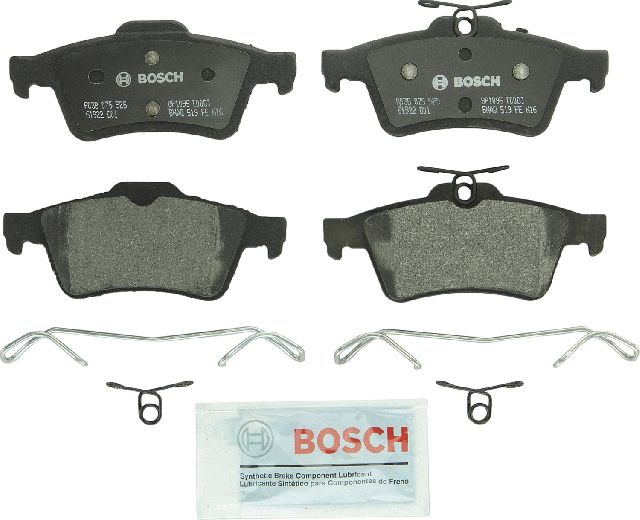
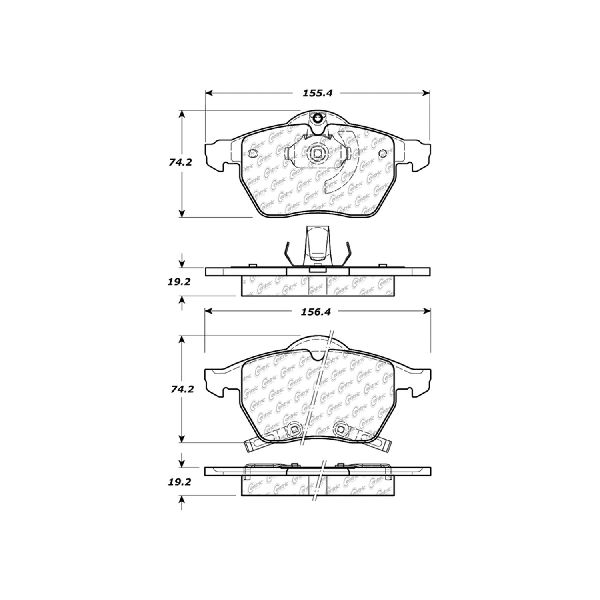
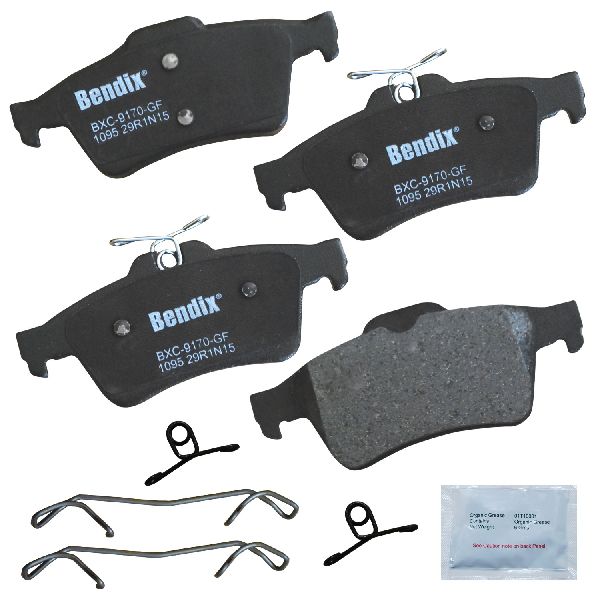
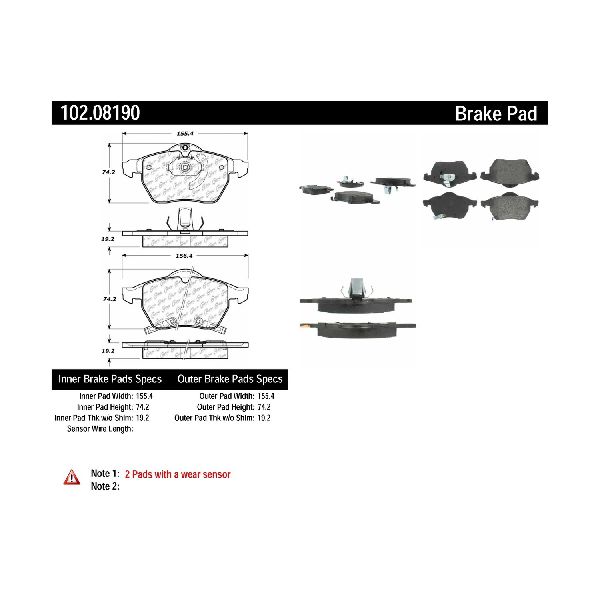
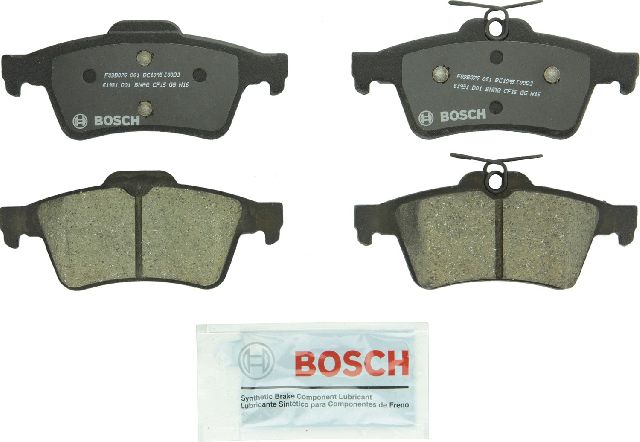
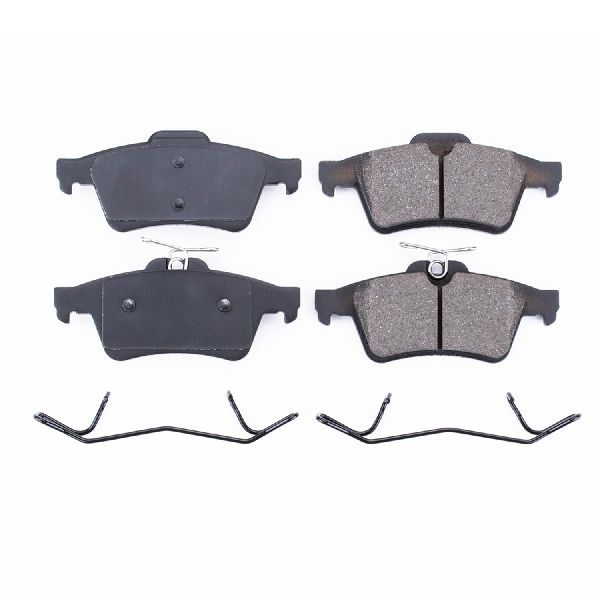
Brake pad fitment varies significantly based on model year and trim level (e.g., Aero, Turbo X). The primary distinction is between the first generation (1999-2002) and second generation (2003-2011). Second-generation models have multiple front rotor size options, including 302mm, 314mm, and 345mm, which require different brake pads. Always verify your specific vehicle's requirements by VIN or by measuring the rotors before purchasing.
We Have This Part in Stock

The information in this article is provided for general reference and educational purposes only. Vehicle specifications, procedures, and part compatibility can vary by production date, trim level, and region. Always consult your vehicle's factory service manual and verify part numbers before purchasing or performing repairs. Safety-critical components such as airbags, seat belts, and braking systems should be installed by a qualified professional.
- Saab 9-3: