

A Professional's Guide to the 1999-2010 UD 3300 HVAC Heater Core
If you're losing heat or smelling coolant in your cab, your heater core is the likely suspect.
- Heater core replacement is a labor-intensive and expensive job due to the need for complete dashboard removal.
- The most common symptoms are a sweet coolant smell in the cab, lack of heat, and foggy windows.
- Always flush the entire cooling system when replacing the heater core to prevent premature failure of the new part.
- Choosing a reputable brand like Four Seasons is recommended to avoid repeating this high-labor repair.
Is Your UD 3300 Heater Core Failing?
A failing heater core in a commercial truck like the UD 3300 isn't just an inconvenience; it can be a safety issue. The most common failures are internal clogs from contaminated coolant or leaks from age and corrosion. Knowing the signs can help you diagnose the problem before it leaves you without a defroster on a cold morning.
Key Failure Symptoms
- Sweet Smell in the Cab: This is the most definitive sign of a leak. The smell is from engine coolant (antifreeze) leaking into the HVAC housing and getting blown into the cab. Inhaling these fumes can be harmful.
- No Heat or Weak Heat: If the air from your vents is cold or only slightly warm when the engine is at full operating temperature, the core may be clogged. You can check this by carefully feeling the two heater hoses at the firewall; if one is hot and the other is cold, you likely have a clog.
- Foggy or Greasy Film on Interior Windows: A leaking heater core releases coolant vapor into the cab, which condenses on the cold glass of the windows. This film is difficult to wipe away and severely impairs visibility.
- Wet Passenger-Side Floor: A significant leak can cause coolant to pool in the HVAC box and drip onto the passenger-side floor mat.
- Constant Need to Add Coolant: If you are frequently topping off your coolant reservoir with no visible leaks under the truck, the heater core could be the source of the slow leak.
A Note on Vehicle-Specific Issues
Searches for official recalls or Technical Service Bulletins (TSBs) did not find any specific issues related to the HVAC heater core for the 1999-2010 UD 3300. Recalls found for this vehicle range were related to the air brake system, not the climate controls.
Choosing the Right Aftermarket Heater Core
Since this is a labor-intensive job, choosing a quality part is critical to avoid doing the work twice. While specific reviews for the UD 3300 are scarce, general brand reputation in the HVAC world can guide your choice. All three brands below typically offer aluminum cores, which is common for modern replacements.
Brand Quality Tiers
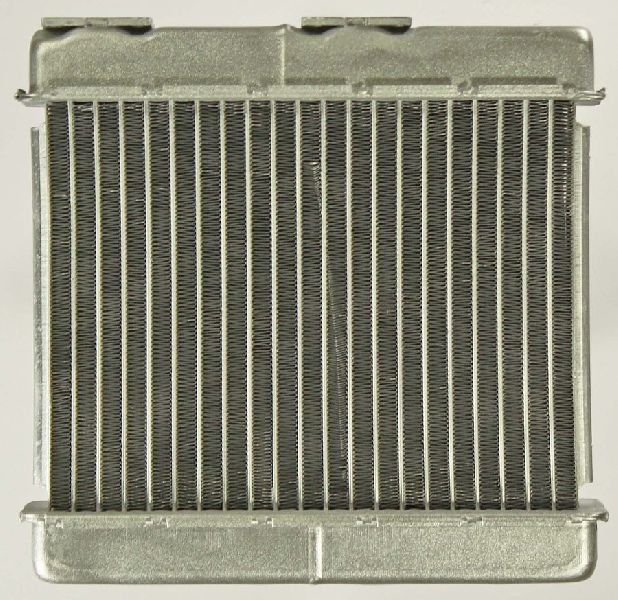
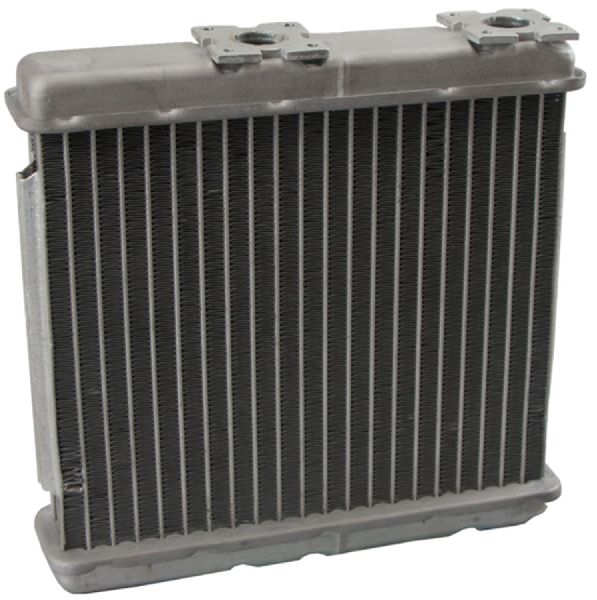
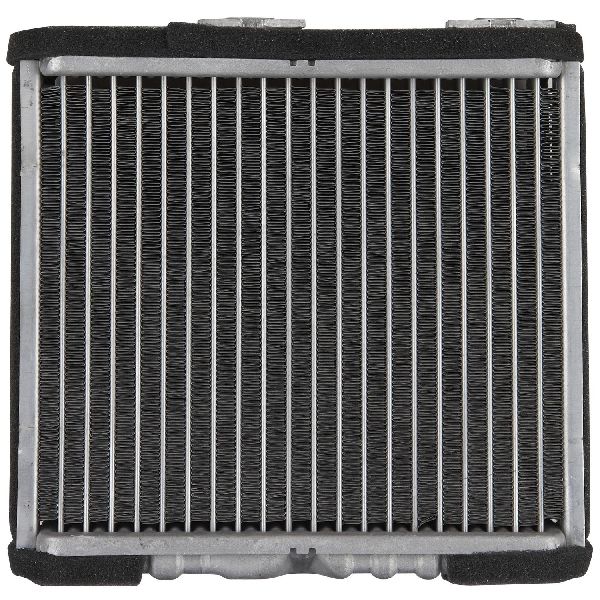
- Good - Four Seasons: Generally viewed as a reliable aftermarket brand for HVAC components. Many professional mechanics use them, and they are often considered a solid alternative to OEM.
- Fair - Spectra Premium: Reviews for Spectra are often mixed. While some users report no issues, others have noted fitment problems or a shorter lifespan compared to other brands. They can be a decent mid-range option if installed carefully.
- Value - APDI: APDI is typically positioned as a budget-friendly brand. While less feedback is available, it serves as a functional, low-cost replacement. For a high-labor job like this, consider spending more for a part with a stronger reputation.
Pro Tip: Flush the System
Regardless of which brand you choose, it is critical to thoroughly flush the entire cooling system before installing a new heater core. Debris and corrosion in the old coolant is a primary cause of failure in new parts and will void the warranty. Consider replacing the thermostat and radiator cap at the same time for a more complete service.
Heater Core Replacement Cost for UD 3300
The part itself is not expensive, but the labor is. On a cab-over truck like the UD 3300, replacing the heater core is a major job that requires removing most of the dashboard to access the HVAC unit.
| Item | Estimated Cost |
|---|---|
| New Aftermarket Part | $49.73 - $97.66 |
| Shop Labor | $750 - $1,350 |
| Total Estimated Cost | $800 - $1,450+ |
Cost estimates are for reference only and will vary by location and repair shop.
Frequently Asked Questions
Why is the replacement so expensive?
The high cost is almost entirely due to labor. The heater core is buried deep behind the dashboard. Mechanics must spend several hours carefully disassembling the dash, instrument panel, and other components just to access the part, and then reassemble everything. For a UD 3300, this can take anywhere from 6 to 9 hours.
Can I just bypass a leaking heater core?
Yes, a temporary bypass is possible by disconnecting the two heater hoses at the firewall and connecting them together. This will stop the leak but will also leave you with no cabin heat or defrost function. This is not a safe or viable long-term solution, especially in cold or wet climates where window defrosting is necessary for visibility.
What happens if I ignore a bad heater core?
Ignoring a clogged core leaves you without heat. Ignoring a leaking core is more serious. It can lead to a constant loss of engine coolant, which can cause the engine to overheat, risking major damage. The leaking coolant can also damage electrical components behind the dashboard and create a slippery, hazardous residue on the floor.
Is an aluminum or copper/brass core better?
Original factory cores were often copper/brass, which is heavier and better at heat transfer. Most modern aftermarket replacements, including those from APDI, Four Seasons, and Spectra, are aluminum. While some purists prefer copper/brass for its durability, a quality aluminum core from a reputable brand will perform well and is often the only type available.
Technical Specifications
Core Height: 5.875 in, Core Width: 7 in, Core Depth: 1 in, Inlet/Outlet Diameter: 0.75 in.
We Have This Part in Stock

The information in this article is provided for general reference and educational purposes only. Vehicle specifications, procedures, and part compatibility can vary by production date, trim level, and region. Always consult your vehicle's factory service manual and verify part numbers before purchasing or performing repairs. Safety-critical components such as airbags, seat belts, and braking systems should be installed by a qualified professional.
- UD 3300: