

Engine Camshaft Position Sensor Guide for 1999-2008 Suzuki Grand Vitara
Fix stalling, rough idling, and no-start problems in your Grand Vitara by understanding and choosing the right camshaft position sensor.
- A failing camshaft sensor is a common cause of stalling, rough running, and no-start issues in the 1999-2008 Grand Vitara.
- The most common trouble code associated with this failure is P0340.
- For reliability, choosing an OEM-quality brand like Hitachi is highly recommended over budget options.
- The sensor is located on the back of the V6 engine, making replacement possible for a DIYer but potentially difficult due to tight access.
Is Your Grand Vitara Stalling or Hard to Start?

A faulty camshaft position sensor is a common cause of frustrating engine problems in the 1999-2008 Suzuki Grand Vitara. Because this sensor is critical for engine timing, its failure can cause anything from a rough idle to leaving you stranded. Symptoms often begin intermittently, such as stalling when the engine is warm, but can progress to a no-start condition. Recognizing the signs early can help you avoid a tow.
Symptoms of a Failing Camshaft Position Sensor

When the sensor starts to go bad, your vehicle will give you clear warning signs. Look out for these common issues:
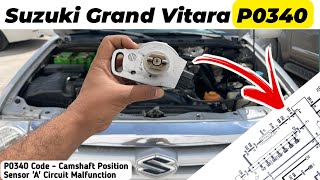
- Check Engine Light: This is often the first sign. A code scanner will typically show code P0340, which points directly to a problem 🎬 Watch this diagnostic guide for troubleshooting the P0340 error code. in the camshaft position sensor circuit.
- Engine Stalls Unexpectedly: The engine may shut off while driving, sometimes only after it has warmed up. It might restart after cooling down but the problem will likely return.
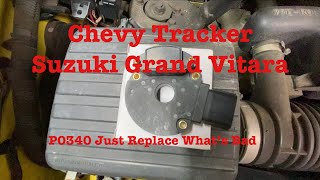
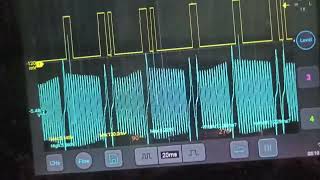
- Hard Starting or No-Start: You may have to crank the engine for a long time before it starts, or it may not start at all. This happens because the computer doesn't have the information 🎬 Watch a mechanic diagnose a no-start condition on a Vitara. it needs to create spark and inject fuel.
- Rough Idle and Poor Acceleration: The engine may shake, sputter, or run unevenly at a stop. You might also notice a significant loss of power and poor acceleration because the fuel and spark timing are incorrect.
Driving with a Bad Sensor
Driving with a failing camshaft position sensor is not recommended. The risk of the engine stalling unexpectedly, especially in traffic, is a serious safety hazard.
Choosing the Right Aftermarket Sensor

When replacing the camshaft position sensor, you have a choice between OEM and various aftermarket brands. For a critical sensor like this, quality matters.
- Hitachi: Hitachi is often the original equipment manufacturer (OEM) for many Japanese vehicles, including Suzuki. Choosing a Hitachi sensor is the closest you can get to the original part's quality and reliability without paying dealer prices. They are widely recommended by mechanics and owners for their dependability.
- Standard Ignition (SMP): Standard is a well-regarded aftermarket brand that produces a wide range of sensors. Their parts are generally considered a reliable mid-tier option that meets or exceeds OEM specifications.
- Cardone: Cardone offers both new and remanufactured parts. While their new sensors are tested to meet OEM performance standards, some user reviews suggest that quality can be inconsistent compared to OEM or brands like Hitachi. They are often a budget-friendly choice.
Pro Tip: For a part this critical to engine operation, spending a little more on a high-quality brand like Hitachi can prevent the headache of a premature failure and the cost of being stranded.
Cost of Replacing the Camshaft Position Sensor
| Part Type | Estimated Cost |
|---|---|
| New Aftermarket | $52 - $573 |
| Shop Labor | $61 - $90 |
| Total Estimated Cost | $113 - $663 |
Cost estimates are based on industry averages and your specific vehicle, location, and chosen part quality will affect the final price.
Frequently Asked Questions (FAQ)

Where is the camshaft position sensor located on a 1999-2008 Grand Vitara?
On the V6 engines (like the 2.5L and 2.7L) common in this generation, the camshaft position sensor is typically located on the back of the driver's side cylinder head. It can be difficult to access, sometimes requiring the removal of other components or working in a tight space 🎬 See this walkthrough for accessing and replacing the sensor. near the firewall.
Can I replace this sensor myself?
This job can be done by a DIYer with some experience. However, the location on the back of the engine can make it challenging. Access is tight, and you may need to move the transmission dipstick tube out of the way. The sensor is usually held in by one or two bolts. It is crucial to mark the position of the old sensor before removing it if it has any rotational adjustment, though most are fixed.
Are there any recalls for this part?
As of early 2026, there are no specific NHTSA safety recalls for the engine camshaft position sensor on the 1999-2008 Suzuki Grand Vitara. There have been recalls for other issues on these vehicles, but not for this specific sensor.
What is the difference between a camshaft and a crankshaft sensor?
Both are critical timing sensors. The camshaft sensor tracks the position of the camshaft to time fuel injection, while the crankshaft position sensor tracks the crankshaft's position to time ignition spark and measure engine speed. The computer uses signals from both sensors to ensure the engine runs smoothly. A failure in either sensor can cause similar symptoms, but they will trigger different trouble codes (P0340 for camshaft, P0335 for crankshaft).
Helpful Videos

Technical Specifications
OEM Part Numbers: 33100-52D00 33220-63J00 J5T32171 J5T32172
The sensor for the V6 models is typically a 3-pin Hall-effect sensor that reads the position of the camshaft from the back of the cylinder head.
We Have This Part in Stock



The information in this article is provided for general reference and educational purposes only. Vehicle specifications, procedures, and part compatibility can vary by production date, trim level, and region. Always consult your vehicle's factory service manual and verify part numbers before purchasing or performing repairs. Safety-critical components such as airbags, seat belts, and braking systems should be installed by a qualified professional.
- Suzuki Grand Vitara: