

Jaguar S-Type (1999-2008) Engine Camshaft Position Sensor Guide
Having trouble starting your S-Type or noticing poor engine performance? Your camshaft position sensor might be the culprit.
- A failing camshaft sensor will likely cause a Check Engine Light with codes P0340 or P0341, hard starting, and rough running.
- Before replacing the sensor, check your battery's health, as a weak battery can cause false sensor codes on an S-Type.
- The S-Type V6 and V8 engines have different sensor locations; confirm which bank/sensor has failed before buying a replacement.
- DIY replacement is feasible for many owners and typically requires only basic tools and less than an hour of time.
Understanding Camshaft Position Sensor Failure in Your S-Type
If you own a 1999-2008 Jaguar S-Type, a failing camshaft position sensor (CMP) can cause some frustrating and noticeable problems. This sensor is essential for engine timing. When it starts to fail, the signals it sends to the engine computer become weak or erratic. This can make your Jaguar difficult to start, cause it to run poorly, or even stall unexpectedly. Fortunately, replacing this sensor is a common and manageable repair.
Key Failure Symptoms to Watch For
A bad camshaft position sensor will almost always trigger the Check Engine Light on your dashboard. If you use an OBD-II scanner, you'll likely see codes such as P0340 or P0341. Beyond the warning light, you might experience:
- Difficulty Starting: The engine may crank for a long time before it starts, or it might not start at all.
- Rough Idle: The engine may idle unevenly or feel like it's about to stall.
- Engine Stalling: The car might shut off unexpectedly, especially at low speeds or when stopped.
- Poor Acceleration: You may notice a significant loss of power or hesitation when you press the gas pedal.
- Increased Fuel Consumption: Inefficient engine timing can lead to your S-Type using more fuel than usual.
A Note on Engine Differences
The Jaguar S-Type was available with a 3.0L V6, a 4.0L V8 (1999-2002), and a 4.2L V8 (2003-2008). The number and location of the camshaft position sensors can vary between these engines. V-engines have two banks of cylinders (Bank 1 and Bank 2), and each may have its own sensor. It is critical to identify which sensor has failed, as a code like P0340 often points to a specific bank. 🎬 Watch this guide to identifying intake and exhaust camshaft sensors. Always confirm the correct part and location for your specific engine before ordering.
Choosing the Right Aftermarket Sensor
When replacing the camshaft position sensor, you don't necessarily need to buy an expensive OEM part from a Jaguar dealer. The aftermarket offers a wide range of options that can provide reliable performance. However, quality can vary, so it's wise to choose a reputable brand.
Here's a breakdown of common aftermarket brand tiers:
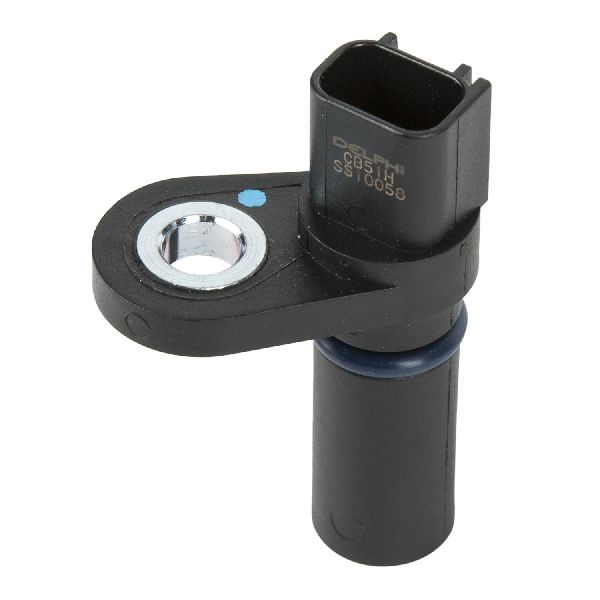
- Premium Aftermarket (e.g., Delphi, NGK, Hitachi): These brands are often Original Equipment Suppliers (OES) for various automakers, meaning their parts are manufactured to high standards, sometimes even exceeding original specs. Delphi, for example, tests and calibrates their sensors to OE standards. They are a strong choice for quality and reliability.
- Trusted Aftermarket (e.g., Standard Ignition (SMP), Beck Arnley, Walker Products): These are well-established brands in the aftermarket. Standard Motor Products (SMP) has a long history and is generally considered a quality brand, though some users suggest avoiding their lower-cost "T-series" line. Beck Arnley focuses on meeting OE form, fit, and function for foreign nameplates and is a reliable option.
- Value-Oriented (e.g., Dorman, Holstein, True Tech): These brands offer a cost-effective solution. Dorman provides direct replacement parts that match the original's fit and function and are widely available. While often perfectly suitable for many repairs, some forum users express mixed opinions on longevity compared to premium brands.
Pro Tip: Before you replace the sensor, check the basics. Forum discussions among Jaguar owners often highlight that a weak or old battery can cause random sensor-related error codes. Also, inspect the sensor's wiring and connector for any damage, corrosion, or oil contamination that could be causing the issue.
Cost of Replacement
The cost to replace a camshaft position sensor on a Jaguar S-Type can vary. The part itself is affordable, but labor costs will depend on your location and mechanic's rates. The sensor's location can also affect the time required; on some S-Type engines, it's easily accessible on the top of the engine, while on others, it may require removing other components to reach.
| Item | Estimated Cost |
|---|---|
| New Aftermarket Camshaft Position Sensor | $17 - $148 |
| Estimated Shop Labor | $32 - $140 |
| Total Estimated Professional Replacement | $50 - $288+ |
Note: Prices are estimates and can vary based on brand, location, and vehicle specifics. Some estimates place the total cost higher, between $226 and $508.
Frequently Asked Questions
Where is the camshaft position sensor located on my S-Type?
The location depends on your engine (V6 or V8). Generally, the sensors are found near the top of the engine, mounted on the valve covers or near the timing cover at the front of the engine. Forum users and repair diagrams are excellent resources for pinpointing the exact location for your specific model year and engine.
Can I replace the sensor myself?
Yes, this is a very feasible DIY job for many owners. The replacement typically involves disconnecting the battery, unplugging the electrical connector, and removing a single bolt holding the sensor in place. The difficulty is usually rated as low, provided the sensor is easily accessible. The estimated time is under one hour.
Are there any recalls for the S-Type camshaft position sensor?
Searches of the NHTSA database did not reveal any specific recalls for the camshaft position sensor on the 1999-2008 Jaguar S-Type. Recalls found were for much newer Jaguar models and different issues.
What's the difference between a camshaft and crankshaft sensor?
They work together. The camshaft sensor tracks the position of the camshafts (which control the valves), while the crankshaft sensor tracks the position of the crankshaft (which is connected to the pistons). The engine's computer compares both signals to get a complete picture of the engine's timing. A failure in either can cause similar symptoms.
I replaced the sensor, but the code came back. What now?
If a new sensor doesn't fix the problem, you could have a different issue. Possibilities include a faulty wiring harness or connector, a problem with the replacement part itself (especially if it was a very low-cost option), or a more serious mechanical timing issue. It's also possible the wrong sensor was replaced (e.g., Bank 1 instead of Bank 2).
🎬 See how to troubleshoot specific camshaft sensor codes and locations.Helpful Videos
Technical Specifications
OEM Part Numbers: LRA1646BC
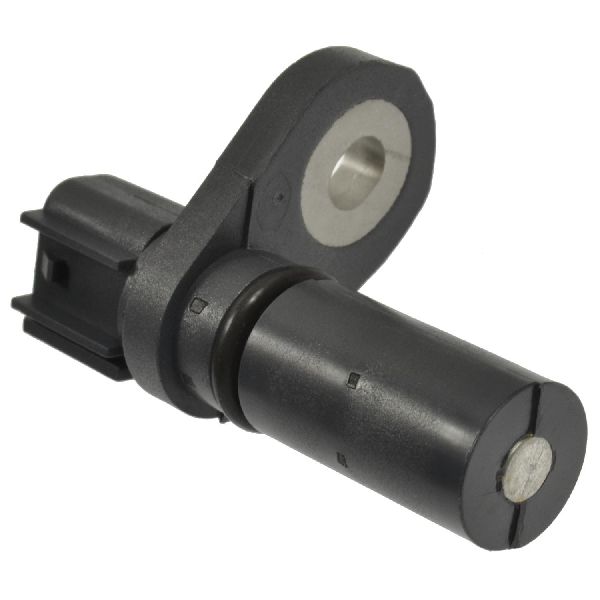
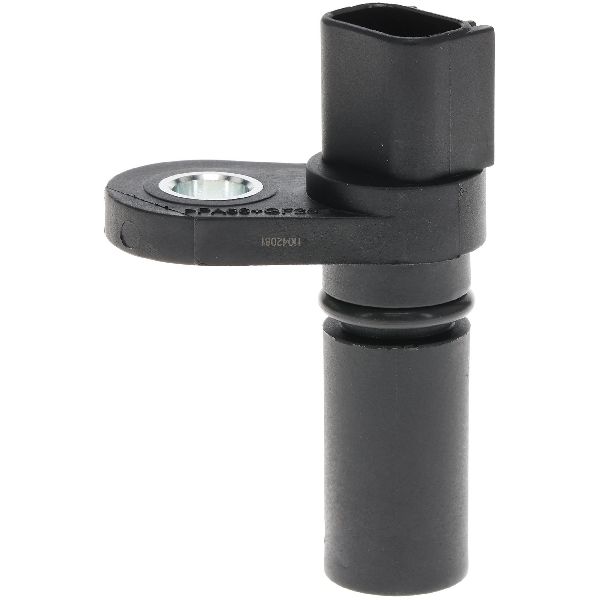
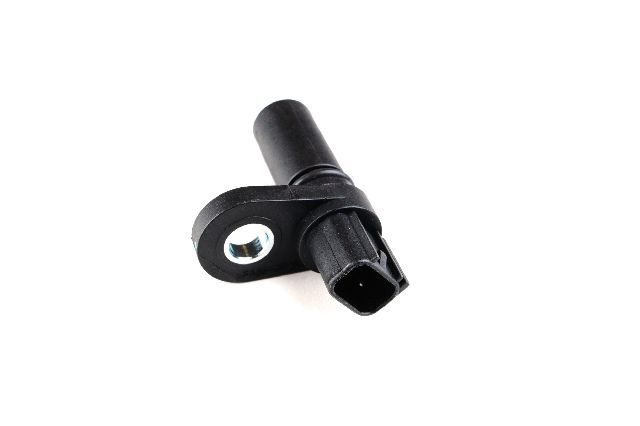
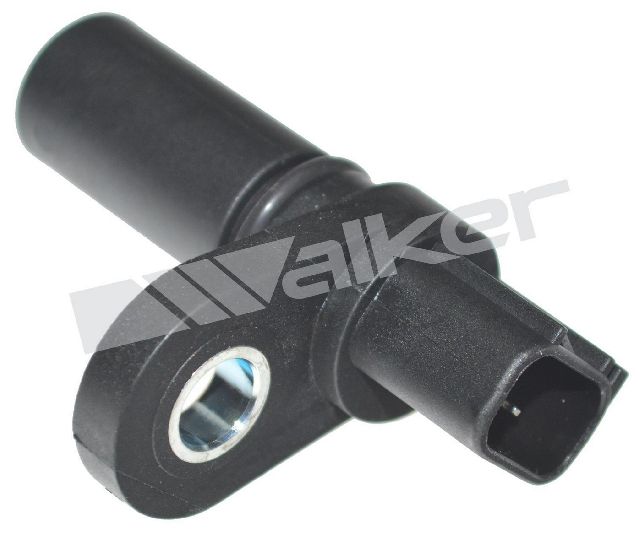
The sensor is a Hall effect type, which uses a magnetic field to detect the position of the camshaft. It typically has a 2-pin oval connector. The specific part number varies between the V6 and V8 engines and sometimes by model year.
We Have This Part in Stock


The information in this article is provided for general reference and educational purposes only. Vehicle specifications, procedures, and part compatibility can vary by production date, trim level, and region. Always consult your vehicle's factory service manual and verify part numbers before purchasing or performing repairs. Safety-critical components such as airbags, seat belts, and braking systems should be installed by a qualified professional.
- Jaguar S-Type: