

Guide to Replacing Knock Sensors on a 1999-2008 Chevrolet Silverado 1500
Address engine knock and restore performance by understanding the common issues with your Silverado's knock sensors.
- The primary cause of failure is water intrusion corroding the sensors and harness located under the intake manifold.
- Always replace both knock sensors, the wiring harness, and the intake manifold gaskets at the same time.
- Due to the difficult location and high labor cost, using a quality aftermarket or OEM part is crucial to avoid repeat repairs.
- Applying RTV silicone to create a dam around the sensors is a TSB-recommended fix to prevent future water damage.
Symptoms of a Failing Knock Sensor

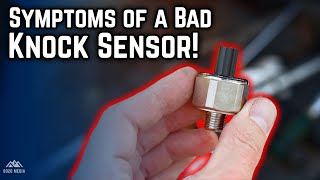
When a knock sensor fails on a 1999-2008 Silverado, the engine control module (ECM) can no longer properly detect or correct engine knock. This triggers a Check Engine Light and stores diagnostic trouble codes (DTCs). The most common codes are P0327 for the front sensor (Bank 1) and P0332 for the rear sensor (Bank 2). You may also experience reduced engine power, poor acceleration, and worse fuel economy as the ECM defaults to a safer, less efficient timing map to protect the engine. In some cases, you might hear an audible metallic pinging or rattling noise 🎬 Watch this video to see common signs of sensor failure. during acceleration.
The Real Problem: Water Intrusion

On these specific Silverado models, the two knock sensors are located in a valley under the intake manifold. This location is highly prone to collecting water, especially after engine washes or heavy rain. The water pools in the sensor cavities, causing the sensors and the wiring harness to corrode and fail. This is the most common reason for knock sensor failure on this generation of trucks.
Choosing the Right Aftermarket Parts

Given the extensive labor required to access the knock sensors, choosing a quality replacement is critical to avoid doing the job twice. While OEM parts from ACDelco are often recommended by owners in forums, quality aftermarket parts can be a reliable alternative. When shopping for aftermarket sensors, it's important to select a reputable brand. Because this is a labor-intensive job, it is not a good place to cut corners with a low-quality part that might fail prematurely.
Pro Tip: Replace Everything at Once

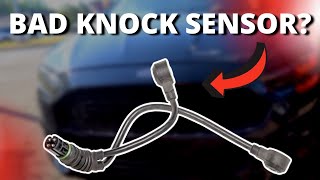
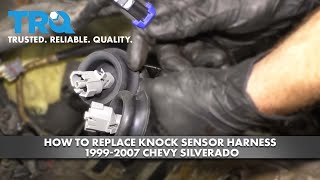
Since you must remove the intake manifold to get to the sensors, it is strongly recommended to replace both knock sensors, the knock sensor wiring harness, and the intake manifold gaskets at the same time. The wiring harness is often damaged by the same corrosion that destroys the sensors. 🎬 Learn how to properly replace the knock sensor wiring harness. After installation, many mechanics create a dam around the sensor access holes using RTV silicone to prevent future water intrusion, a fix mentioned in a GM Technical Service Bulletin (TSB).
Cost to Replace Knock Sensors

| Part | Estimated Cost |
|---|---|
| New Aftermarket Knock Sensor Kit (2 Sensors & Harness) | $28 - $80 |
| Shop Labor | $250 - $450+ |
| Total Estimated Cost | $278 - $530+ |
Note: Costs are estimates and can vary based on your location, the specific parts chosen, and local labor rates. The labor is high due to the need to remove the intake manifold. 🎬 See a step-by-step guide on replacing Silverado knock sensors.
Frequently Asked Questions (FAQ)
How many knock sensors does my 1999-2008 Silverado have?
Your V8 Silverado has two knock sensors. They are located under the intake manifold, one toward the front of the engine (Bank 1) and one toward the rear (Bank 2).
Why did my new aftermarket knock sensor fail so quickly?
Premature failure can be caused by several factors. Low-quality parts are a common culprit, which is why choosing a reputable brand is important for a hard-to-access part. Another reason is failing to clean the sensor mounting surfaces and threads properly, which can lead to a poor connection. Finally, if you didn't replace the wiring harness or implement the RTV silicone dam, water could have corroded the new parts.
What else should I replace during this job?
Because the intake manifold must be removed, it's the perfect time to replace both knock sensors, the knock sensor wiring harness, and the intake manifold gaskets. Some owners also choose to replace the oil pressure sensor located at the back of the engine, as it is much easier to access with the intake manifold off.
What does it mean to build an "RTV dam"?
This is a common preventative measure recommended in a GM TSB. After installing the new sensors, you apply a bead of RTV silicone sealant around the sensor access ports in the engine valley. This creates a barrier that diverts water away from the sensor cavities, preventing the corrosion that causes them to fail.
Helpful Videos
Technical Specifications
OEM Part Numbers: 10456603 12589867
Torque specification for the knock sensor bolts is critical: 15 ft-lbs (180 in-lbs). Over or under-torquing can cause the new sensor to malfunction.

The information in this article is provided for general reference and educational purposes only. Vehicle specifications, procedures, and part compatibility can vary by production date, trim level, and region. Always consult your vehicle's factory service manual and verify part numbers before purchasing or performing repairs. Safety-critical components such as airbags, seat belts, and braking systems should be installed by a qualified professional.
- Chevrolet Silverado 1500: