

A Silverado Owner's Guide to Replacing Oxygen Sensors (1999-2007)
Keep your 1999-2007 Silverado 1500 running strong by understanding and replacing your oxygen sensors.
- Your 1999-2007 Silverado V8 likely has four O2 sensors; identify the correct one before buying.
- Stick with OEM (ACDelco) or high-quality aftermarket brands like Denso and NGK/NTK for best results, as these trucks can be sensitive to off-brand sensors.
- A failing O2 sensor will trigger the check engine light, hurt fuel economy, and can damage your catalytic converter if ignored.
- Replacement is a DIY-friendly job for many, especially the downstream sensors, and requires a 7/8" or 22mm wrench or a special O2 sensor socket.
Symptoms of a Bad Oxygen Sensor

When an oxygen sensor starts to fail on your Silverado, your truck's computer can't properly adjust the air-to-fuel ratio. This can cause several noticeable problems. Ignoring these signs can lead to reduced performance, poor fuel economy, and even damage to your expensive catalytic converters over time.
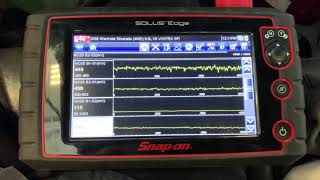
- Check Engine Light: This is the most common sign. A code reader will often point to a specific sensor, like P0135 (O2 Sensor Heater Circuit Malfunction Bank 1 Sensor 1) or P0171 (System Too Lean Bank 1). 🎬 Watch: Diagnosing lean codes and misfires on a Chevy 6.0L.
- Poor Fuel Economy: If your truck is suddenly using more gas than usual, a bad O2 sensor could be the cause. The engine may be running too rich, meaning it's using more fuel than it needs.
- Rough Idle and Misfires: An imbalanced air-fuel mixture can cause your engine to idle unevenly, hesitate, or misfire.
- Bad Smells: A rich-running engine can produce a "rotten egg" smell from the exhaust as unburned fuel overheats the catalytic converter.
Choosing the Right Aftermarket Oxygen Sensor

When it comes to sensors for your Silverado, not all brands are created equal. These trucks can be sensitive to the electronics used. While saving money is tempting, choosing a low-quality sensor can cause the check engine light to return, forcing you to do the job twice.
Brand Quality Tiers
| Tier | Brands | Assessment |
|---|---|---|
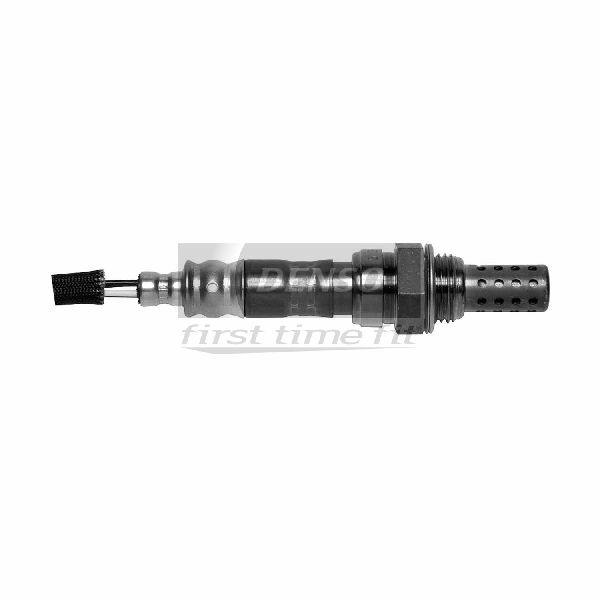
| OEM & Premium Aftermarket | ACDelco, Denso, NGK (NTK) | ACDelco is the original GM parts supplier and the most recommended choice for a guaranteed fix. Many owners and mechanics report that GM trucks simply run best on OEM sensors. Denso and NGK/NTK are highly respected OEM suppliers for many automakers and are considered top-tier, reliable alternatives that often meet or exceed original specs. |
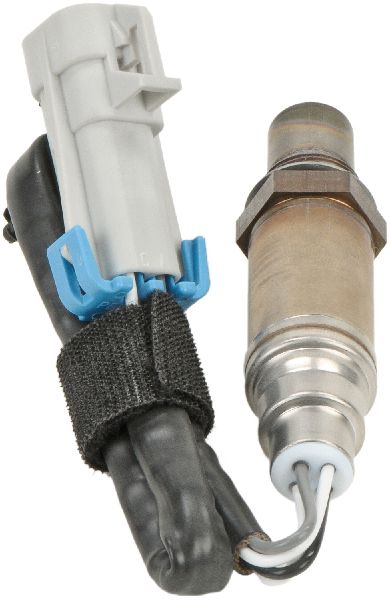
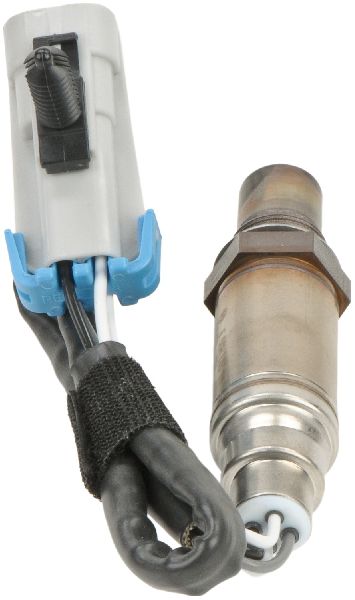
| Mid-Grade Aftermarket | Bosch, Delphi | Bosch is a well-known brand, but it has mixed reviews for this specific truck generation. Some owners have had success, while others report persistent error codes that were only solved by switching to ACDelco. Delphi was once a GM-owned company but has since changed hands, making its current quality less certain. |
| Economy Aftermarket | DriveWire, Spectra, Walker Products | These brands offer a lower price point. However, user reviews are sparse or mixed. Some have used Walker Products with success, while others have had them fail quickly. These can be a gamble; the money you save might be lost if you have to replace the part again. |
Pro Tip: Many owners recommend replacing O2 sensors in pairs (both upstream or both downstream) or all four at once if they are original and have high mileage (over 90,000 miles). This can prevent future failures and ensure the engine's computer receives balanced readings.
Known Issues & Bulletins

While there are no widespread safety recalls for oxygen sensors on the 1999-2007 Silverado 1500, General Motors has issued Technical Service Bulletins (TSBs) for related issues. TSB 3322 for the 2004 model specifically mentions problems arising from incorrect O2 sensors and wiring harnesses. Other bulletins for similar trucks note that sensor wiring can be mis-routed and make contact with hot exhaust components, causing a short. When replacing a sensor, always check that the new wire is safely secured away from the exhaust pipes.
Frequently Asked Questions (FAQ)

How many oxygen sensors does my 1999-2007 Silverado have?
Most V8 models (4.8L, 5.3L, 6.0L) from this generation have four oxygen sensors. There are two "upstream" sensors (one on each side, before the catalytic converters) and two "downstream" sensors (one on each side, after the catalytic converters). Bank 1 is the driver's side, and Bank 2 is the passenger's side.
What's the difference between upstream and downstream sensors?
Upstream sensors (Sensor 1) are the most important for engine performance. They measure the raw exhaust gas to help the engine computer fine-tune the air/fuel mixture. Downstream sensors (Sensor 2) primarily monitor the catalytic converter's performance to ensure it's cleaning the exhaust properly for emissions compliance.
Can I replace just one oxygen sensor?
Yes, you can replace only the failed sensor. However, if your truck has high mileage, the other sensors are likely near the end of their service life as well. Many mechanics recommend replacing them in pairs (both upstream or both downstream) to ensure consistent performance.
Do I need a special tool to replace an O2 sensor?
A special O2 sensor socket, which has a slot for the wire, makes the job much easier. However, you can often use a standard 7/8" (or 22mm) wrench, especially for the more accessible downstream sensors. The old sensors can be very tight, so a breaker bar might be needed for extra leverage.
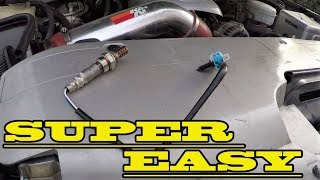
🎬 Watch this step-by-step walkthrough for replacing your Silverado's sensors.Should I use anti-seize on the new sensor?
Yes. Most new oxygen sensors come with a small packet of special high-temperature anti-seize compound already applied to the threads or included in the box. This prevents the sensor from getting stuck in the exhaust pipe, making future replacement much easier. Do not get any anti-seize on the sensor tip itself.
Helpful Videos
Technical Specifications
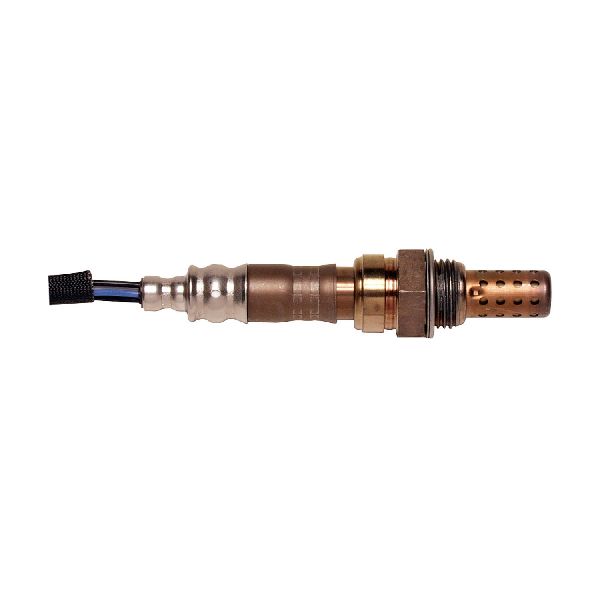
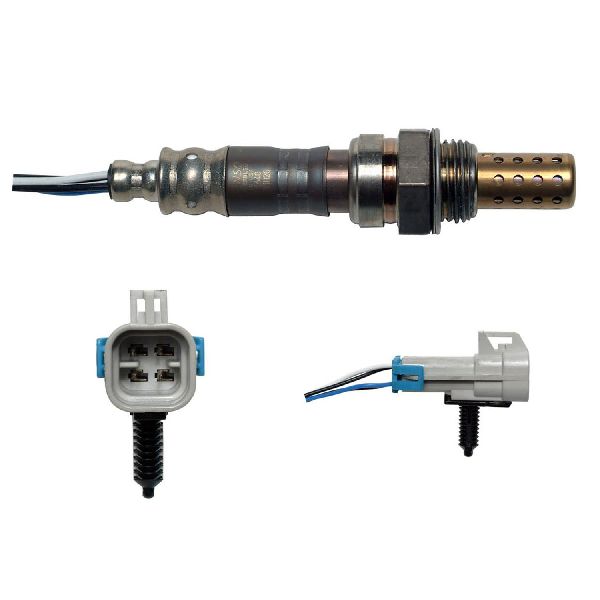
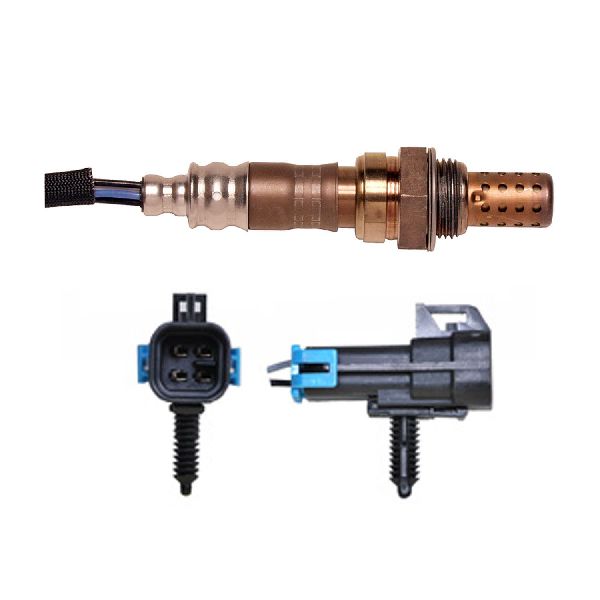
OEM Part Numbers: 213-4228 12609456 AFS106 AFS138
Most 1999-2007 Silverado 1500 models use four heated, 4-wire oxygen sensors. There are two upstream (pre-catalytic converter) and two downstream (post-catalytic converter) sensors. Part numbers and wire harness lengths are specific to the vehicle's year, engine (4.3L, 4.8L, 5.3L, 6.0L), and sensor location (Bank 1/Driver Side vs. Bank 2/Passenger Side). Always verify the exact part number using your truck's VIN.
We Have This Part in Stock

The information in this article is provided for general reference and educational purposes only. Vehicle specifications, procedures, and part compatibility can vary by production date, trim level, and region. Always consult your vehicle's factory service manual and verify part numbers before purchasing or performing repairs. Safety-critical components such as airbags, seat belts, and braking systems should be installed by a qualified professional.
- Chevrolet Silverado 1500: