

BMW 325i (E46) Engine Coolant Reservoir: A Guide for 1999-2007 Owners
The plastic coolant expansion tank is a known weak point on the E46 325i; proactive replacement can prevent overheating and save you from being stranded.
- The plastic coolant expansion tank is a notorious failure point on the E46 325i; consider replacing it preventively around 100,000 miles.
- Choose high-quality aftermarket brands like Mahle, Behr, or Rein for the best reliability and value; avoid the cheapest options.
- Always replace the expansion tank cap with the tank to ensure the system holds pressure correctly.
- A leaking tank can cause overheating and catastrophic engine damage; do not ignore low coolant warnings or steam from the engine.
Understanding a Critical E46 Weakness
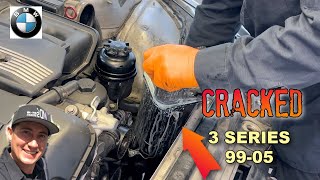
If you own a 1999-2007 BMW 325i (part of the E46 platform), you should be aware of the cooling system's reputation. The plastic engine coolant expansion tank is arguably the most common failure point. Constant exposure to high temperatures and pressure causes the plastic to become brittle over time, leading to hairline cracks or even a sudden burst. Many experienced owners and mechanics recommend replacing the expansion tank as a preventive measure every 80,000 to 100,000 miles, or if you don't know its age. A sudden failure can lead to rapid coolant loss, engine overheating, and leave you stranded on the side of the road.
Warning: Do Not Ignore Cooling System Warnings
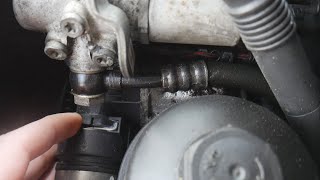
A low coolant light, a sweet smell of coolant after a drive, or visible steam from the engine bay 🎬 Watch this guide to identifying common BMW E46 coolant leaks. are all signs of a potential leak. Addressing these symptoms early by inspecting the expansion tank can prevent catastrophic engine damage from overheating.
Common Failure Symptoms
- Visible Coolant Leaks: You may see puddles of blue or green fluid under the passenger side of the engine bay. Look for white, crusty residue on or around the tank, which is dried coolant.
- Low Coolant Warning Light: The coolant level sensor in the tank will trigger a warning on your dashboard if the level drops.
- Engine Overheating: If the tank fails completely, you will lose coolant rapidly, causing the engine temperature gauge to rise into the red.
- Steam or a "Pop" Sound: Steam from the engine bay or a sudden "pop" followed by a gush of fluid indicates a burst tank. This often happens after the car is parked, as heat soak increases pressure.
Choosing the Right Aftermarket Reservoir
When it comes to the E46 cooling system, part quality matters. While a Genuine BMW part is always an option, several reputable aftermarket brands offer a balance of quality and value. For a critical component like this, it's wise to avoid the cheapest options, which have a reputation for premature failure.
Brand Quality Tiers
- OEM-Quality (Recommended): Brands like Mahle (often the original equipment manufacturer), Behr, and Rein (CRP) are highly regarded for this part. They provide OEM-level fit and durability without the dealership price tag. Many owners report years of reliable service from these brands.
- Good Value Aftermarket: Brands such as Nissens and Meyle are generally considered reliable mid-range options by the BMW community. They offer a good balance of price and performance.
- Budget-Tier (Use with Caution): Brands like URO Parts and Dorman are often the most affordable. While they have improved over the years, some owners have reported early failures with these brands on critical cooling components. If choosing a budget part, inspect it carefully and be prepared for a shorter lifespan.
Pro Tip: Replace the Cap and Sensor
When replacing the reservoir, it is highly recommended to also replace the expansion tank cap and the coolant level sensor. The cap is a pressure-regulating valve that is critical to the system's operation, and a faulty one can cause a new tank to fail. Many aftermarket tanks come with a new sensor, but if not, purchase one separately.
Cost of Replacement
| Part or Service | Estimated Cost |
|---|---|
| New Aftermarket Reservoir | $55 - $138 |
| New OEM Reservoir | $125 - $250 |
| Shop Labor | $100 - $200 |
| Total Professional Replacement (Aftermarket Part) | $155 - $338 |
Costs are estimates and can vary based on location, specific brand, and the repair shop's labor rates.
Frequently Asked Questions (FAQ)
Is this a difficult part to replace myself?
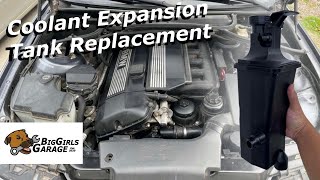
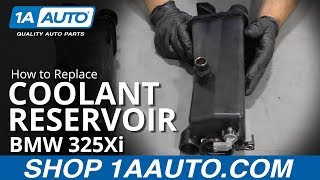
No, for a moderately skilled DIYer, this is a manageable job. The replacement involves removing the air intake, disconnecting a few hoses and a sensor, and unclipping the tank. The most critical step is properly bleeding the air out of the cooling system after installation to prevent overheating. The difficulty 🎬 Follow this video to replace your tank and bleed the system. is around 2 out of 5.
Are there any recalls for the E46 coolant reservoir?
No, there are no specific NHTSA recalls for the coolant expansion tank on the 1999-2007 BMW 325i. The part's tendency to fail is considered a maintenance issue rather than a safety defect warranting a recall.
What about an aluminum expansion tank?
Aluminum tanks are available as a high-performance upgrade. They eliminate the risk of plastic cracking. However, some mechanics argue that the plastic tank is designed to be the "fuse" in the system. An aluminum tank won't fail, which could cause excess pressure to find the next weakest point, like a radiator hose or heater core, which might be a more difficult repair. For a daily-driven car, a quality OEM-style plastic tank is sufficient.
Do I need to replace anything else at the same time?
Yes. Always replace the expansion tank cap. It's also wise to inspect all coolant hoses connected to the tank for swelling, softness, or cracks. If your car has an automatic transmission, there is a small thermostat located in the mounting bracket beneath the expansion tank that can be replaced at the same time. If your vehicle is over 100,000 miles, consider a full cooling system overhaul, including the water pump and thermostat.
Helpful Videos
Technical Specifications
OEM Part Numbers: 17117573781 17137787039 17111436413
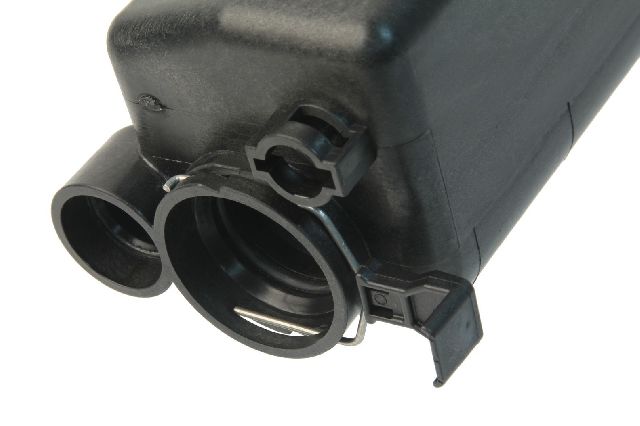
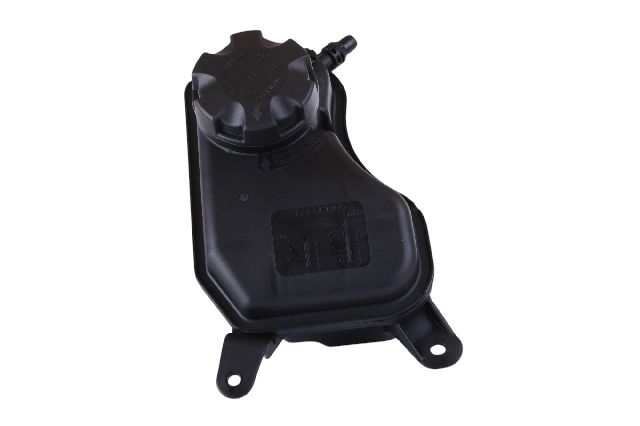
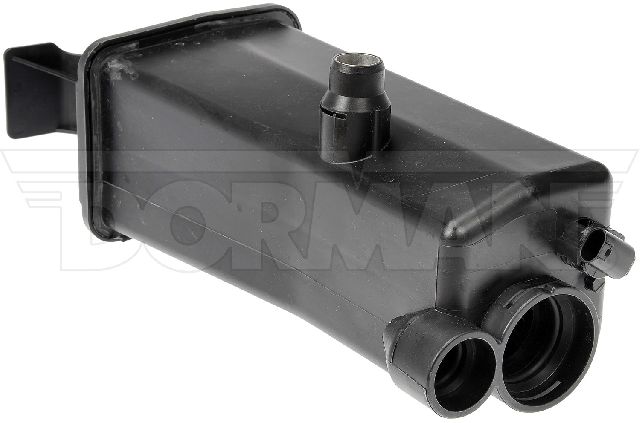
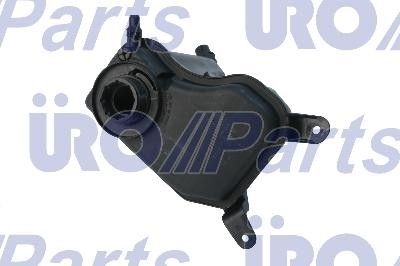
Fits non-M E46 models including 323i, 325i, 328i, and 330i. The tank is made of plastic and includes ports for upper and lower radiator hoses, a bleed hose, a level sensor, and a pressure cap.
We Have This Part in Stock


The information in this article is provided for general reference and educational purposes only. Vehicle specifications, procedures, and part compatibility can vary by production date, trim level, and region. Always consult your vehicle's factory service manual and verify part numbers before purchasing or performing repairs. Safety-critical components such as airbags, seat belts, and braking systems should be installed by a qualified professional.
- BMW 325i: