

A Guide to the 1999-2007 Audi TT (MK1) Mass Air Flow Sensor
Solve rough idling, poor performance, and check engine lights by choosing the right MAF sensor for your TT's 1.8T engine.
- The Audi TT 1.8T engine is very sensitive to MAF sensor quality; using an OEM supplier brand like Bosch or Hitachi is highly recommended to avoid further issues.
- Symptoms of a bad MAF sensor are almost identical to a vacuum leak. Always inspect intake hoses for cracks before buying a new sensor.
- Replacement is a simple DIY job that takes less than 30 minutes with basic tools, saving on labor costs.
- Ensure you order the correct part by matching the OEM number and housing size to your TT's specific engine code (e.g., 180hp vs. 225hp).
Symptoms of a Failing MAF Sensor in an Audi TT

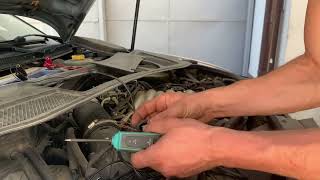
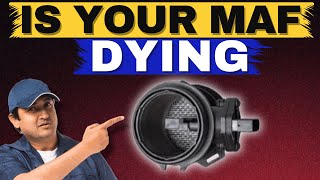
When the MAF sensor on your 1999-2007 TT starts to fail, it sends incorrect information to the engine's computer. This can cause a variety of noticeable problems. You might experience a rough or unstable idle, where the engine's RPMs fluctuate at a stop. Another common symptom is hesitation or a feeling of sluggishness when you accelerate. In some cases, the engine may even stall after starting or when you come to a stop. A faulty MAF sensor will almost always trigger the Check Engine Light on your dashboard and can lead to a significant drop in fuel economy. 🎬 Watch a detailed breakdown of common bad MAF sensor symptoms. Common trouble codes associated with MAF failure include P0101, P0102, and P0103.
Check for Vacuum Leaks First!
Before you spend money on a new MAF sensor, it is critical to check for vacuum leaks. The symptoms of a vacuum leak—like rough idle and hesitation—are nearly identical to a bad MAF sensor. On the 1.8T engine, plastic and rubber hoses can become brittle and crack over time, creating leaks. A thorough inspection of the intake and vacuum system can save you from replacing a part that isn't broken.
Choosing the Right Aftermarket MAF Sensor

The Audi TT's turbocharged engine is sensitive to the quality of its sensors. While saving money is always a goal, choosing the cheapest available MAF sensor can often lead to continued problems and fault codes. Owner experiences frequently show that ultra-cheap, unbranded parts from sites like eBay can be unreliable, sometimes failing right out of the box or shortly after installation. For this part, quality matters more than price.
Brand Quality Tiers for Audi TT MAF Sensors
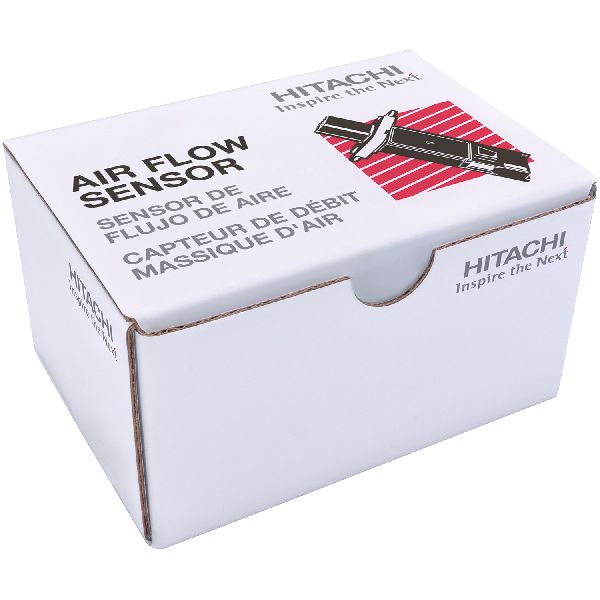
- Tier 1 (OEM Supplier / Highly Recommended): Brands like Bosch and Hitachi are often the original equipment manufacturers for Audi. Choosing one of these in an aftermarket box is the safest bet for performance and reliability that matches the factory part. Many Audi enthusiasts recommend sticking with OEM for critical sensors.
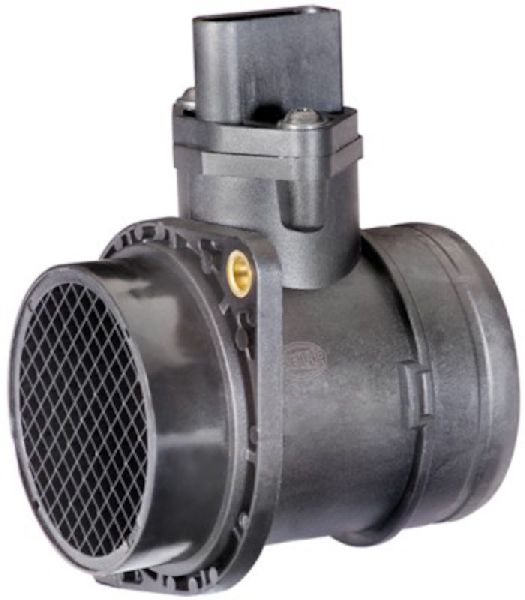
- Tier 2 (Reputable Aftermarket): Brands such as Delphi, Hella, and NGK (NTK) have a solid reputation for producing quality electronic components. These can be a good alternative if an OEM-supplier part is not available, offering a balance of quality and cost.
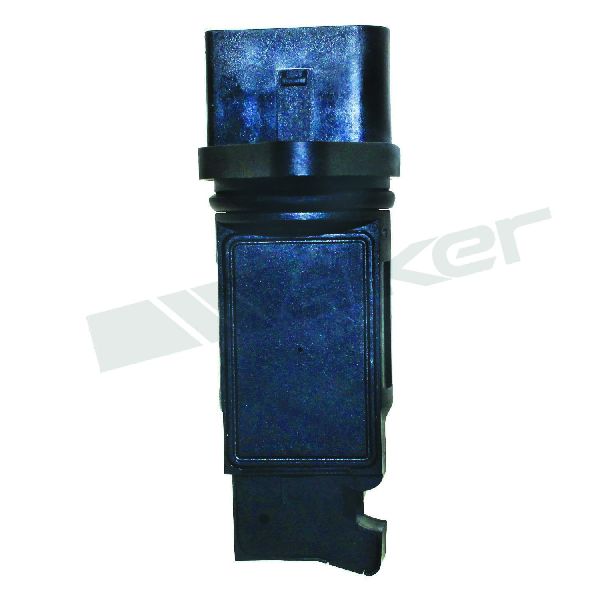
- Tier 3 (Budget Options): Brands like Spectra, Walker Products, and Cardone fall into the budget category. While they are more affordable, their performance can be inconsistent. Cardone parts are often remanufactured. These may be suitable for a temporary fix, but long-term reliability can be a concern for a sensitive engine like the TT's.
Pro Tip: Check Your Engine Code and Housing Size
The 1.8T engine came in different versions, such as the 180hp and 225hp models (e.g., AMU, AWP engine codes). These engines used MAF sensors with different housing diameters (2.75-inch vs. 3-inch). Always verify your engine code and the part number on your existing MAF sensor to ensure you order the correct replacement. Some parts are sold as the sensor element only, while others include the entire housing.
Typical Replacement Costs

Replacing the MAF sensor is a straightforward job that most DIYers can complete in under 30 minutes. This can save you on labor costs, which are typically minimal for this repair.
| Item | Estimated Cost |
|---|---|
| New Aftermarket MAF Sensor | $57 - $257 |
| New OEM MAF Sensor | $150 - $350+ |
| Shop Labor | $60 - $120 |
Frequently Asked Questions (FAQ)

Can I just clean my MAF sensor instead of replacing it?
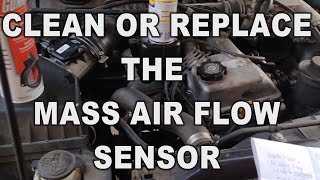
Sometimes, cleaning the MAF sensor with a dedicated MAF sensor cleaner spray can resolve issues, especially if the check engine light code is P0101. However, you must use a cleaner specifically designed for MAF sensors and never touch the delicate internal wires. If the sensor has failed electronically (common with code P0102), cleaning 🎬 Learn how to diagnose a P0102 low input circuit code. will not fix the problem and replacement is necessary.
Is replacing the MAF sensor a difficult job?
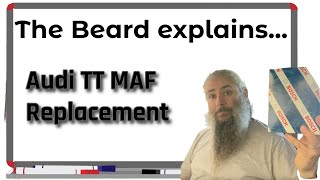
No, this is considered a very easy DIY job. It typically involves unplugging an electrical connector and removing a few screws or clamps to swap the sensor. The entire process usually takes less than half an hour with basic 🎬 See a step-by-step guide to replacing your Audi TT MAF. hand tools.
Do I need to reset the car's computer after installing a new MAF?
It is a good practice to clear the fault codes with an OBD-II scanner after installation. Some also recommend disconnecting the battery for 10-15 minutes to reset the ECU's learned fuel adjustments. In many cases, the computer will adapt to the new sensor after a few drive cycles.
Why did my check engine light come back on after replacing the MAF sensor?
This can happen for a few reasons. First, the underlying issue might be a vacuum leak, not the MAF sensor itself. Second, a low-quality aftermarket sensor may not be communicating correctly with the Audi's ECU, causing new fault codes. Finally, ensure the new sensor was the correct part number for your specific engine.
Helpful Videos
Technical Specifications
OEM Part Numbers: 06A906461L 06A906461E 06A906461D 06A906461DX
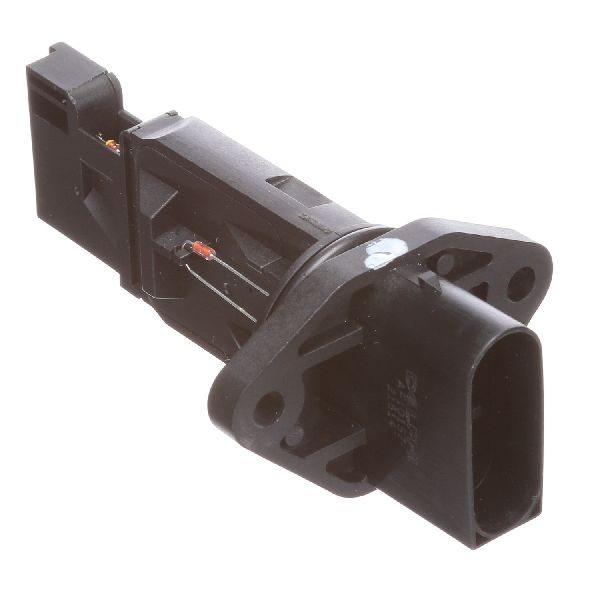
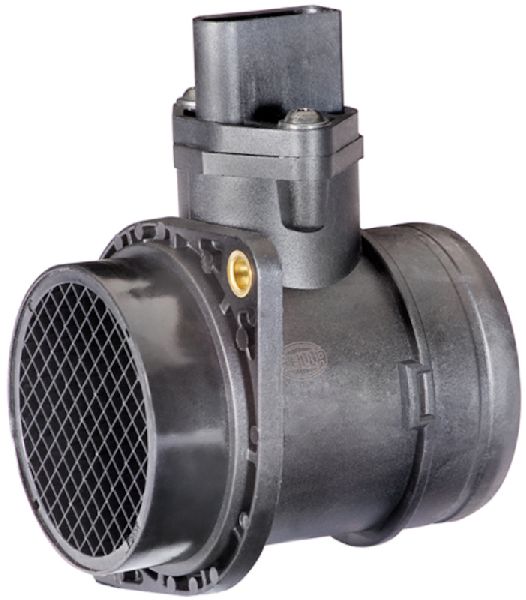
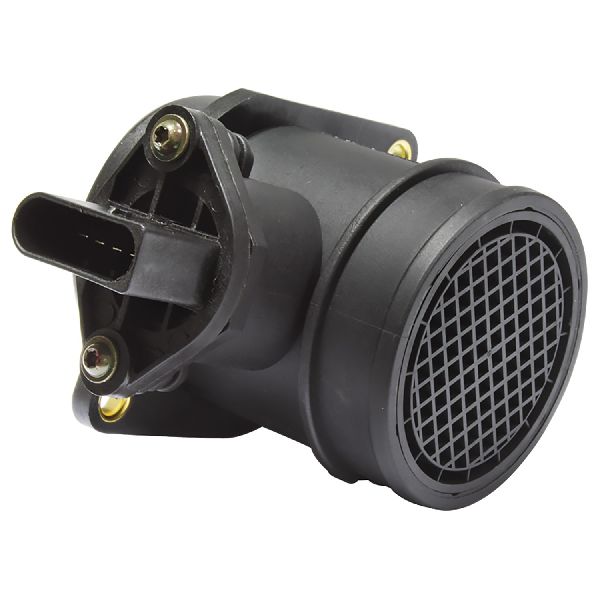
Typically features a 5-pin D-shaped electrical connector. Housing diameter varies between 180hp and 225hp models (approx. 2.75" vs 3"). The sensor measures air mass in grams per second (g/s) to send to the ECU.
We Have This Part in Stock

The information in this article is provided for general reference and educational purposes only. Vehicle specifications, procedures, and part compatibility can vary by production date, trim level, and region. Always consult your vehicle's factory service manual and verify part numbers before purchasing or performing repairs. Safety-critical components such as airbags, seat belts, and braking systems should be installed by a qualified professional.
- Audi TT: