

Guide to the 1999-2006 Hyundai Sonata Crankshaft Position Sensor
If your Sonata is stalling, won't start, or has a Check Engine Light, the crankshaft position sensor could be the problem.
- A failing sensor is a very common cause of stalling and no-start issues on the 1999-2006 Sonata.
- The most common symptom is the engine stalling when hot and not restarting until it cools down.
- For reliability, choose a top-tier aftermarket brand like Delphi, NGK, or Hitachi.
- Replacement can be difficult depending on the engine (4-cyl vs. V6), so know what you're getting into before starting a DIY repair.
Is Your Sonata Stalling or Not Starting?

A failing crankshaft position sensor is a common issue on the 1999-2006 Hyundai Sonata that can leave you stranded. The most reported symptoms are the engine cranking but not starting, or suddenly stalling while driving, especially when the engine is warm. You might notice the car starts fine when it's cold, but after driving and getting it up to temperature, it will stall and refuse to restart until it cools down. This happens because heat can affect the failing electronics inside the sensor. You will also likely have a Check Engine Light on your dashboard with a code like P0335.
Engine Differences Matter
The 1999-2006 Sonata was available with a 4-cylinder (2.4L) and a V6 (2.5L or 2.7L) engine. The location and replacement procedure for the crankshaft sensor can be different for each. Make sure you know which engine your car has before buying a part or starting the repair.
Choosing the Right Aftermarket Sensor

When a critical sensor like this fails, you want a replacement that is reliable. While an OEM part from a Hyundai dealer is always an option, high-quality aftermarket parts can offer the same performance for less money. However, not all aftermarket brands are created equal. Based on mechanic and owner experiences, it's best to avoid the cheapest options, as they can fail quickly and cause the same problems all over again.
Here’s how to think about the available brands:
- Top-Tier Aftermarket (OEM-Equivalent): Brands like Delphi, NGK (NTK), and Hitachi are often original equipment suppliers for many car manufacturers. They are known for their high quality control and reliability. Choosing one of these is your best bet for a long-lasting repair.
- Reliable Mid-Range: Brands such as Beck Arnley, Standard Ignition (SMP), and Spectra offer a good balance of quality and price. They are generally considered dependable choices for daily drivers. Dorman also falls in this category, offering a wide range of parts that usually fit correctly.
- Budget-Friendly: Brands like Walker Products, Prenco, and other lesser-known names are typically the most affordable. While they can get your car running, their long-term durability can be a gamble. If you plan on keeping your Sonata for a long time, it's often worth spending a little more on a higher-quality sensor.
Pro Tip: Check the Wires First!
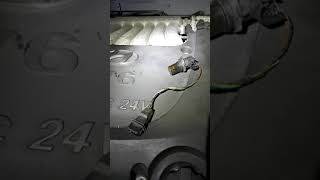
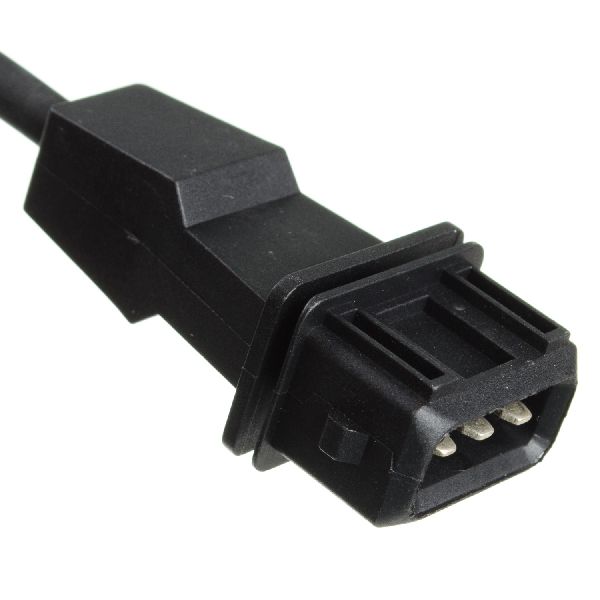
On these Sonatas, the sensor's wiring is a common point of failure. The wires can become brittle from heat and age, causing them to crack or break. Before you buy a new sensor, inspect the wiring and connector for any visible damage, especially where it runs near hot engine parts like the exhaust. Sometimes, a simple wiring repair is all that's needed.
Known Issues, Recalls, and Service Bulletins
Searches for official recalls on the 1999-2006 Hyundai Sonata did not find any specific to the crankshaft position sensor itself. However, there were several major engine-related recalls for later model Sonatas concerning manufacturing debris that could cause engine failure. While not directly related to the sensor, it highlights the importance of engine health. There are no widespread Technical Service Bulletins (TSBs) for this specific part on this model range, but owner forums are filled with discussions about sensor failures, confirming it's a common problem.
| Part/Service | Estimated Cost |
|---|---|
| New OEM Sensor | $60 - $110 |
| New Aftermarket Sensor | $24 - $95 |
| Shop Labor | $100 - $250 |
| Total (DIY) | $24 - $95 |
| Total (Shop) | $124 - $345 |
Frequently Asked Questions

Can I replace the crankshaft sensor myself?
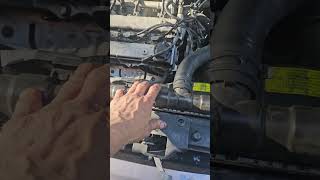
For a DIY mechanic with some experience, this is a possible job. However, the difficulty varies greatly by engine. On some 2.4L 4-cylinder models, the sensor is located behind the timing belt cover, which means you should replace it when you do a timing belt service. On the 2.7L V6, it is often located on the back of the engine block, and you may need to remove the starter motor to get to it, which can be difficult. If you are not comfortable with these procedures, it's best to leave it to a professional.
Where is the crankshaft sensor located on my Sonata?
The location depends on your engine. For the 2.4L 4-cylinder, it can be on the front of the engine near the timing cover or on the back of the engine block. For the 2.7L V6, it is typically on the back of the engine, near the transmission bell housing, and may require removing the starter for access. Always verify the location for your specific year and engine before starting work.
What is the most common trouble code for a bad crank sensor?
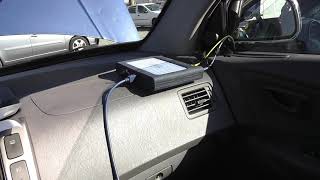
The most common Diagnostic Trouble Code (DTC) is P0335, which means "Crankshaft Position Sensor 'A' Circuit Malfunction". This code is set when the engine's computer loses the signal from the sensor.
Will a new sensor fix my car's problem for sure?
Not always. While the sensor itself is the most common cause, the P0335 code can also be triggered by damaged wiring, a bad connector, or even a problem with the engine computer. That's why it's important to inspect the wiring harness for damage before replacing the part.
Helpful Videos
Technical Specifications
OEM Part Numbers: 39180-37150 39180-37200
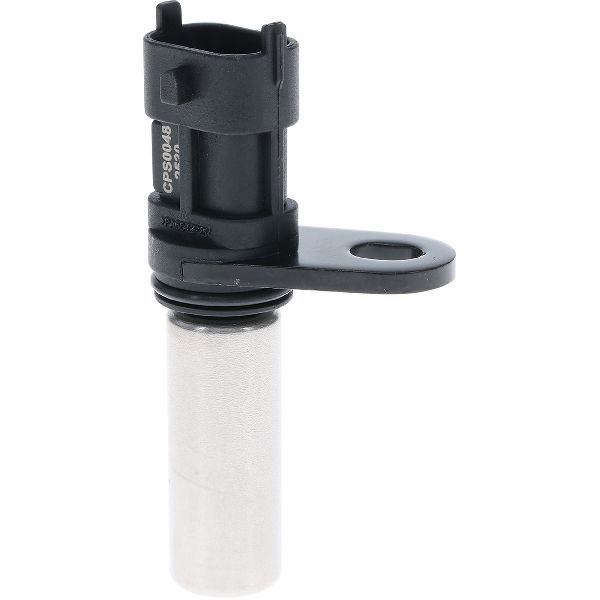
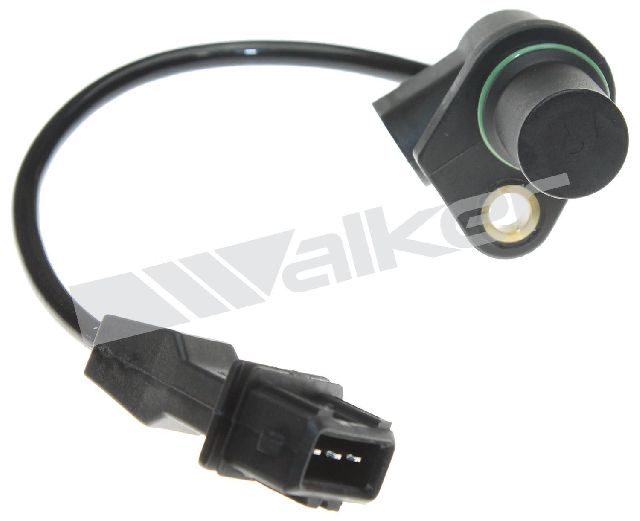
The sensor is a hall-effect type sensor that reads the rotation of the crankshaft. It is typically held in place by a single 10mm bolt. The location varies between the 2.4L 4-cylinder and the 2.7L V6 engines.
We Have This Part in Stock


The information in this article is provided for general reference and educational purposes only. Vehicle specifications, procedures, and part compatibility can vary by production date, trim level, and region. Always consult your vehicle's factory service manual and verify part numbers before purchasing or performing repairs. Safety-critical components such as airbags, seat belts, and braking systems should be installed by a qualified professional.
- Hyundai Sonata: