

Engine Coolant Temperature Sensor Guide for the 1999-2005 Mazda Miata
Understand the critical sensor that feeds your Miata's computer essential temperature data.
- The ECT sensor for the ECU is located on the back of the head and is different from the gauge sender.
- Symptoms of failure include poor fuel economy, rough idle, a Check Engine Light, and cooling fan issues.
- Replacement is a simple, beginner-friendly DIY job that requires a deep 19mm socket.
- A quality aftermarket sensor from a brand like NGK or Standard Ignition is a reliable and cost-effective choice.
Understanding the Miata's ECT Sensor

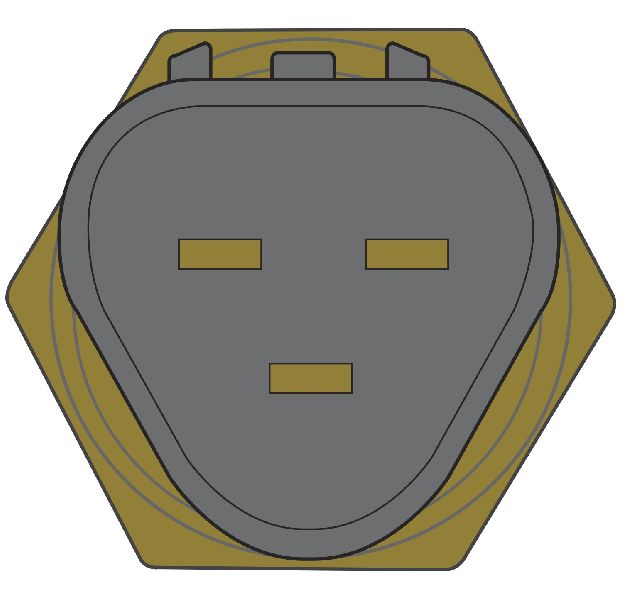
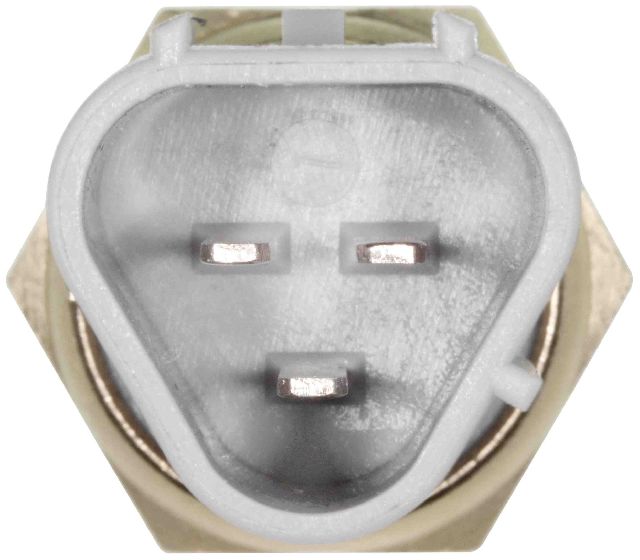
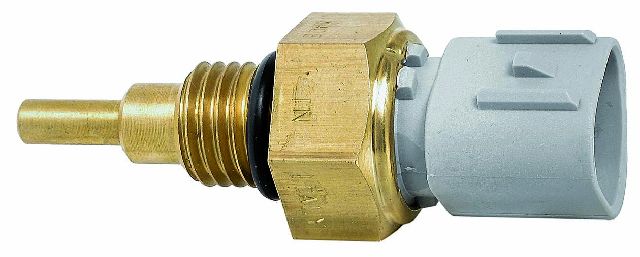
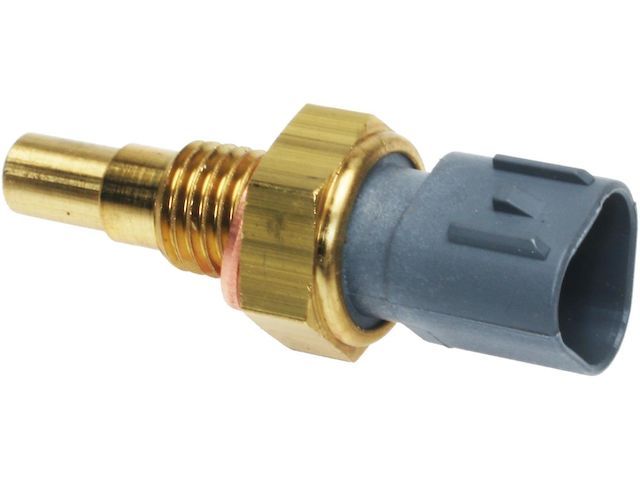
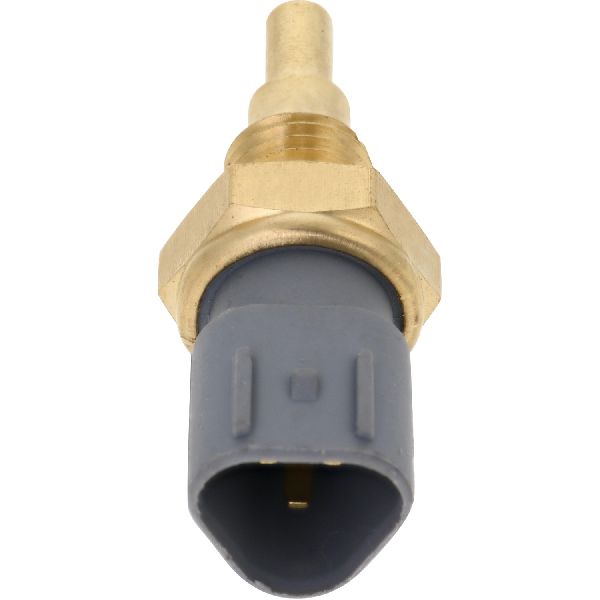
For the 1999-2005 "NB" generation Miata, it's important to know that there are typically two sensors related to coolant temperature. This article focuses on the main Engine Coolant Temperature (ECT) Sensor, which has a two-wire, green-topped connector and sends information to the engine's computer (ECU). There is often a separate, single-wire sender just for the temperature gauge on your dashboard. Confusing the two is a common mistake. The ECU's sensor is the one that affects how your engine runs.
Symptoms of a Failing ECT Sensor

A bad ECT sensor can cause a range of problems because the ECU receives incorrect information. Instead of knowing the engine is warm, it might think it's still cold, or vice-versa. Common symptoms include:
- Check Engine Light: The most obvious sign, often with codes like P0117 (circuit low) or P0118 (circuit high).
- Poor Fuel Economy: If the sensor incorrectly tells the ECU the engine is cold, the computer will continuously send extra fuel, hurting your gas mileage.
- Rough Idle or Stalling: An incorrect fuel mixture can cause the engine to shake, vibrate, or even stall at low speeds.
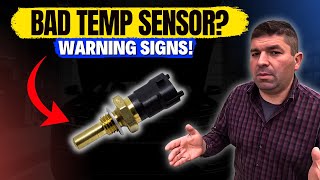
- Black Smoke from Exhaust: This is a sign of a rich fuel mixture, where unburned fuel is sent out the tailpipe. 🎬 See a breakdown of bad sensor symptoms and costs.
- Hard Starting: The engine may be difficult to start when either cold or fully warmed up.
- Engine Overheating or Fans Not Working Correctly: The ECU uses the sensor's reading to help decide when to activate the cooling fans. An incorrect reading can prevent them from turning on when needed.
Is it the Sensor or Something Else?
Some symptoms of a bad ECT sensor, like overheating or a rough idle, can also be caused by other issues like a bad thermostat, air in the cooling system, or a faulty radiator cap. Always perform a proper diagnosis. An OBD-II scanner can read live data from the sensor, which is a great way to see if its readings are logical (e.g., it shouldn't read -40°F on a warm day).
Choosing the Right Aftermarket Part

For a simple but critical sensor like the ECT, you don't necessarily need to buy an expensive OEM part from a Mazda dealer. Many aftermarket brands offer reliable alternatives that provide excellent value. The key is to choose a reputable brand.
- Top Tier (NGK, Standard Ignition): Brands like NGK (also known as NTK for sensors) and Standard Motor Products (SMP) have a strong reputation in the import community for producing quality electronic components that meet or exceed OEM specifications. They are often a trusted choice for reliability.
- Standard Replacement (Facet, Holstein, ACDelco): These brands are well-known in the aftermarket and produce a wide range of parts. They are generally considered reliable, standard-grade replacements suitable for daily drivers. Facet, an Italian company, is known for producing a wide range of electronic components and thermostats.
- Budget-Friendly (Global Parts): While more affordable, it's important to weigh the cost savings against potential longevity. For a critical sensor, sticking with a known mid-tier or top-tier brand is often the safer bet to avoid replacing the part again soon.
Pro Tip: OEM vs. Aftermarket
For the Miata's ECT sensor, a quality aftermarket part from a brand like NGK or Standard Ignition is a perfectly acceptable and cost-effective repair. The original sensors can become brittle with age, and a new, reliable aftermarket unit will restore proper function without the higher cost of an OEM part. Avoid the absolute cheapest, no-name options, as sensor accuracy is critical for engine performance.
Replacement Cost

Replacing the ECT sensor is one of the more affordable repairs you can make. The part itself is not expensive, and if you have it done at a shop, the labor is minimal.
| Item | Estimated Cost |
|---|---|
| New Aftermarket ECT Sensor | $23 - $52 |
| New OEM Mazda ECT Sensor | $45 - $70 |
| Shop Labor | $50 - $100 |
| Total (DIY) | $23 - $52 |
| Total (Installed at Shop) | $73 - $170 |
Frequently Asked Questions (FAQ)
Where is the ECT sensor located on a 1999-2005 Miata?
The main engine coolant temperature sensor for the ECU is located on the back of the cylinder head, near the firewall, underneath the coil pack assembly. It can be a little tight to reach, but it is accessible from the top of the engine bay.
🎬 Watch this 1.8 Miata coolant sensor installation walkthrough.Is this a difficult part to replace myself?
No, this is a great DIY job for beginners. The process involves letting the engine cool completely, unplugging the electrical connector, and using a deep 19mm socket to unscrew the old sensor. Some coolant may leak out, so have a rag ready. Screw the new sensor in (don't overtighten!), reconnect the plug, and you're done.
Do I need to drain the coolant to replace the ECT sensor?
You don't need to drain the entire system. A small amount of coolant will spill when you remove the old sensor. You can minimize this by unscrewing the radiator cap to release any pressure (only when the engine is completely cold!) and then quickly swapping the old sensor for the new one. Be sure to top off the coolant afterward if you lose a significant amount.
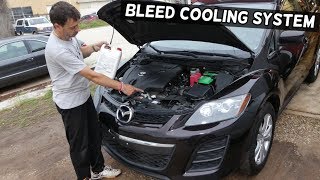
🎬 Learn how to properly bleed your Miata's cooling system.Is the temperature gauge sensor the same as the ECU sensor on my Miata?
No. On the 1999-2005 Miata, they are typically two different parts. The sensor for the ECU has a two-wire plug and affects engine performance. The sensor for the dashboard gauge is usually a smaller, single-wire sender. Make sure you are replacing the correct one for the symptoms you are experiencing.
Helpful Videos


Technical Specifications
OEM Part Numbers: KLK1-18-840 FSB9-18-840
Location: Rear of cylinder head. Connector: 2-pin, green top. Tool needed: 19mm deep socket wrench.
We Have This Part in Stock


The information in this article is provided for general reference and educational purposes only. Vehicle specifications, procedures, and part compatibility can vary by production date, trim level, and region. Always consult your vehicle's factory service manual and verify part numbers before purchasing or performing repairs. Safety-critical components such as airbags, seat belts, and braking systems should be installed by a qualified professional.
- Mazda Miata: