

Diagnosing and Replacing Oxygen Sensors on a 1999-2005 Jeep Grand Cherokee
Fix your check engine light and poor gas mileage by learning how to choose the right aftermarket O2 sensor for your WJ.
- Your Jeep has two or four O2 sensors; use a scanner to identify the exact one that failed before buying a replacement.
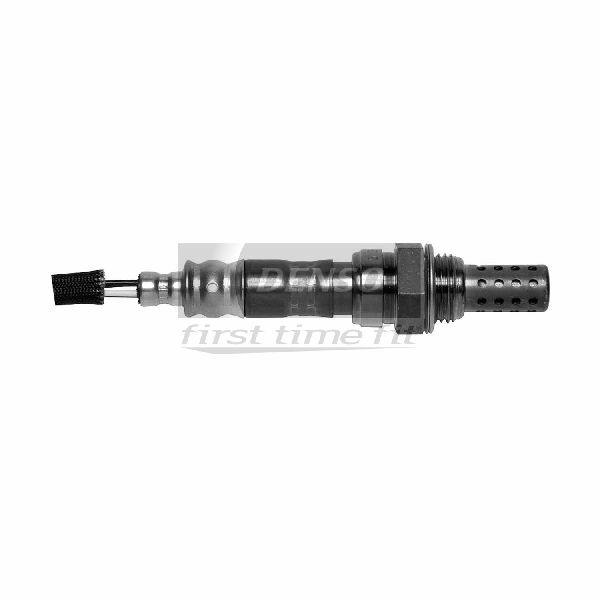
- For best results, use OEM (Mopar) or OEM-equivalent brands like NTK and Denso. Many owners report problems with Bosch sensors on this specific Jeep model.
- A special O2 sensor socket will make removal much easier, especially if the old sensor is rusted in place.
- Ignoring a bad O2 sensor can lead to a damaged catalytic converter, which is a significantly more expensive repair.
Is Your Grand Cherokee's Oxygen Sensor Failing?

A bad oxygen sensor can cause several noticeable problems in your Jeep. Since the engine's computer relies on the O2 sensor's readings to properly adjust the fuel mixture, a faulty sensor sends bad information, forcing the computer to guess. This often leads to poor performance and can even cause damage to other expensive components over time. Look out for these common symptoms.
Key Symptoms of a Bad O2 Sensor:
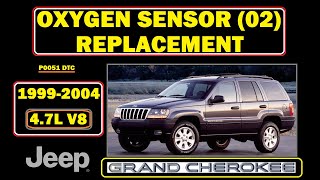
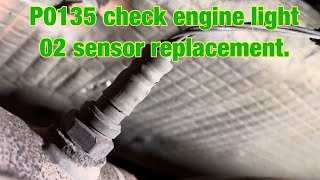
- Check Engine Light: This is the most common sign. Codes like P0132, P0135, P0138, and P0141 point directly to O2 sensor issues. 🎬 Watch a walkthrough for fixing a P0135 sensor code.
- Poor Fuel Economy: A bad sensor can cause the engine to run rich, using more fuel than necessary. You might notice you're filling up your tank more often.
- Rough Idle or Misfires: Incorrect fuel mixture can lead to poor combustion, causing your Jeep to run rough, shake at red lights, or misfire.
- Failed Emissions Test: An engine running rich because of a bad O2 sensor will release unburned fuel into the exhaust, causing you to fail a smog test.
- Rotten Egg Smell: In some cases, a very rich fuel mixture can overwhelm the catalytic converter, producing a sulfur or rotten egg smell from the exhaust.
Don't Ignore a Failing O2 Sensor
While you can drive with a bad O2 sensor, it's not recommended for long. An engine running too rich can overheat and damage your catalytic converter, a much more expensive repair.
Choosing the Right Aftermarket O2 Sensor for Your WJ

When it comes to engine sensors for your Jeep, brand choice matters. The vehicle's computer can be sensitive, and using a sensor with incorrect resistance or response time can cause persistent check engine lights, even with a new part. Based on owner experiences and mechanic recommendations, not all aftermarket brands are created equal.
Brand Quality Tiers for Jeep Grand Cherokee
- Tier 1 (OEM & Recommended Aftermarket): Mopar, NTK, Denso
NTK is widely reported to be the Original Equipment Manufacturer (OEM) for Mopar O2 sensors on this generation of Grand Cherokee. Choosing NTK or Denso will give you OEM-level performance and reliability, often at a lower price than the Mopar-branded part. These are the safest choices for a first-time fix. - Tier 2 (Reputable Aftermarket): Delphi, Walker Products
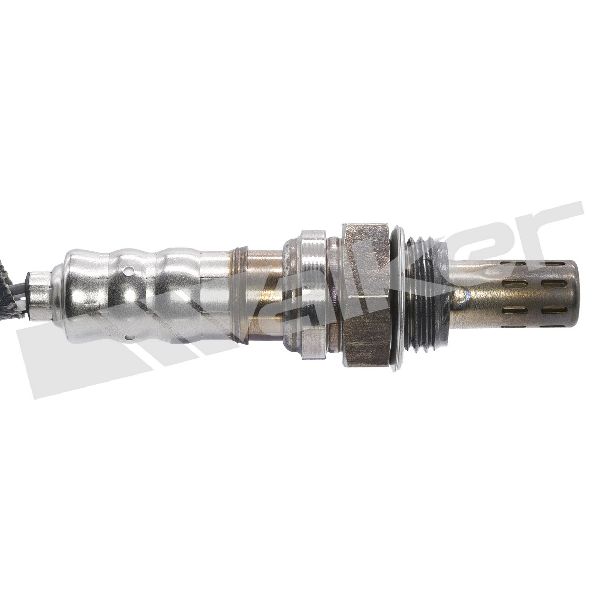
Brands like Delphi and Walker are established names in the aftermarket world and can offer a good balance of price and quality. They are generally considered reliable options if a Tier 1 brand is not available. - Tier 3 (Budget & Cautionary Brands): Bosch, Store Brands, Unbranded
While Bosch is a major OEM for many vehicles and invented the O2 sensor, numerous Jeep owners report issues with Bosch sensors on this specific platform. Problems include incorrect resistance values that lead to persistent check engine lights. Budget-friendly store brands or unbranded online parts are also a gamble and may fail prematurely. It's often best to avoid these to prevent doing the job twice.
Pro Tip: Identify the Correct Sensor Before You Buy
Your Grand Cherokee has up to four O2 sensors. They are located in different positions (Bank 1 vs. Bank 2, Upstream vs. Downstream) and have different wire harness lengths. Use a code scanner to identify which specific sensor has failed (e.g., "Bank 1, Sensor 1") and purchase the correct part for that location to ensure the connector and wire length are right.
Oxygen Sensor Replacement Cost for 1999-2005 Jeep Grand Cherokee
The cost to replace an oxygen sensor can vary depending on the brand you choose and whether you do the work yourself or hire a professional.
| Part/Service | Estimated Cost |
|---|---|
| New Aftermarket O2 Sensor | $24 - $205 |
| New OEM (Mopar) O2 Sensor | $65 - $250 |
| Shop Labor | $90 - $272 |
| Total Professional Replacement | $114 - $522 |
Frequently Asked Questions (FAQ)

How many oxygen sensors does my 1999-2005 Grand Cherokee have?
It depends on your engine and emissions package. Federal emissions models typically have two sensors (one upstream, one downstream). California emissions models have four sensors (two upstream and two downstream, one for each bank of the engine). The 4.0L I6 engine has Bank 1 and Bank 2 sensors in the exhaust manifold, while the 4.7L V8 has a sensor for the driver's side (Bank 1) and passenger's side (Bank 2).
What is the difference between an upstream and a downstream sensor?
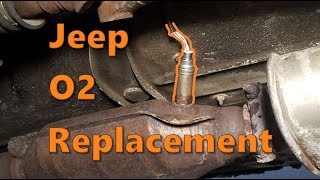
The upstream sensor (also called Sensor 1) is located before the catalytic converter. Its job is to provide real-time feedback for adjusting the air-fuel mixture. The downstream sensor (Sensor 2) is located after the catalytic converter and its main purpose is to monitor the converter's health 🎬 See how to replace a Bank 1 Sensor 2 downstream unit. and efficiency.
Can I replace just one oxygen sensor?
Yes. You only need to replace the sensor that has failed. A diagnostic trouble code from a scanner will tell you which specific sensor needs attention (e.g., P0135 for Bank 1, Sensor 1 Heater Circuit). However, O2 sensors have a limited lifespan, so if one has failed, others of the same age may not be far behind.
Is replacing an O2 sensor a difficult DIY job?
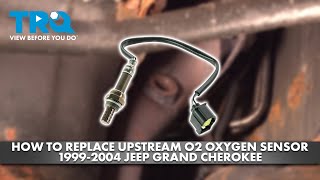
For most people, this is a relatively easy job. 🎬 Watch this step-by-step guide to replacing your upstream sensor. The main difficulty is often accessing the sensor and breaking it loose from the exhaust pipe, as it can be seized by rust. Using a special O2 sensor socket and some penetrating oil is highly recommended. The sensors are located on the exhaust pipes underneath the vehicle.
Is there a recall for oxygen sensors on the WJ Grand Cherokee?
No, there are no specific recalls for oxygen sensor failure on the 1999-2005 Jeep Grand Cherokee according to NHTSA data. However, a Technical Service Bulletin (TSB #18-31-98) was issued for the 4.7L engine to inform technicians about the sensor's normal operating characteristics at idle to prevent unnecessary replacement.
Helpful Videos
Technical Specifications
OEM Part Numbers: 56044580AA 56044581AA 56044582AA 56044583AA
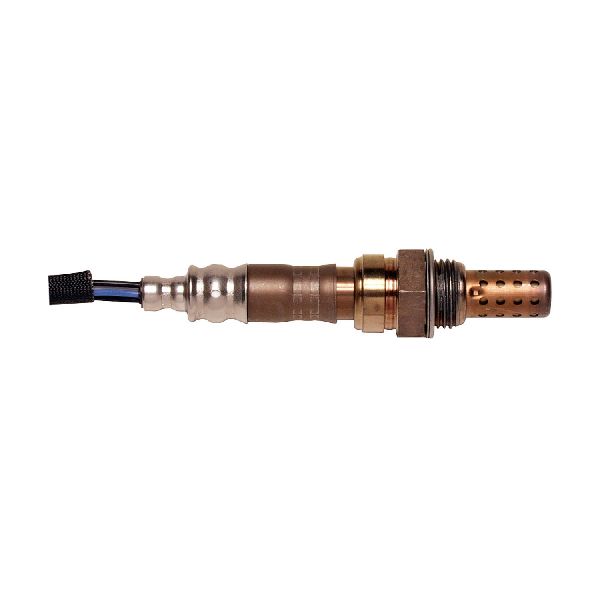
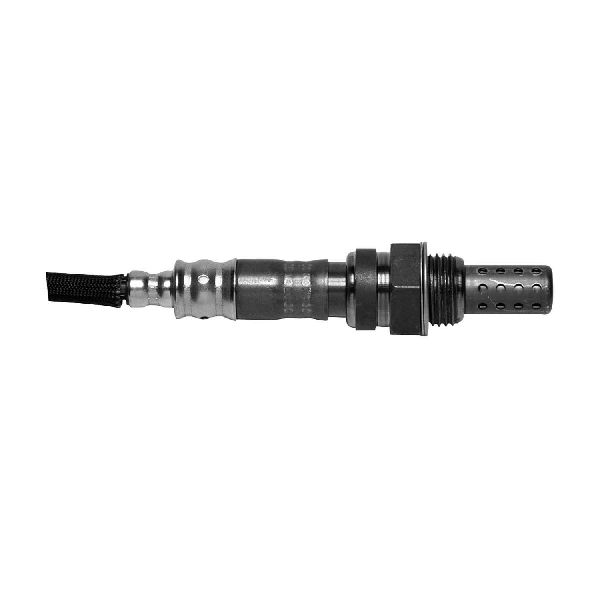
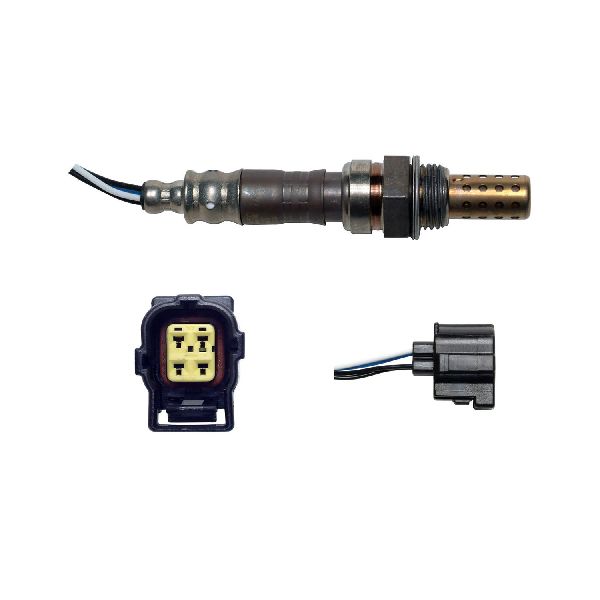
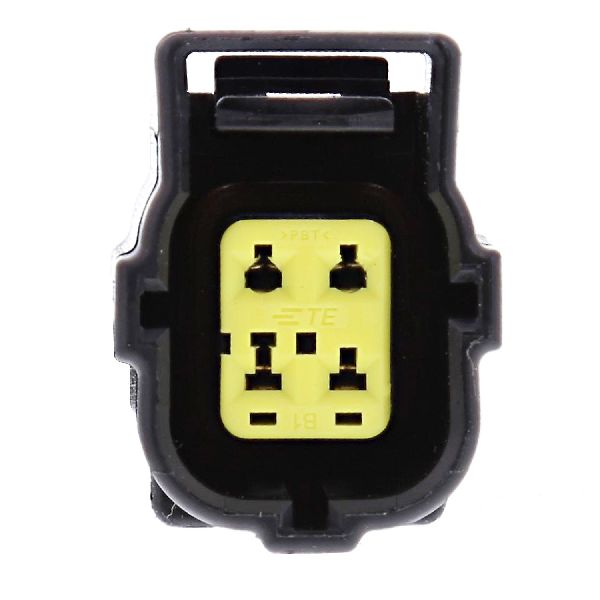
The 1999-2005 Grand Cherokee uses heated, 4-wire, narrow-band oxygen sensors. The thread size is typically M18x1.5. The primary difference between sensors for different locations is the length of the wiring harness, so it is crucial to order the part specific to your vehicle's engine (4.0L or 4.7L) and the sensor's position (e.g., Bank 1 Sensor 1).
We Have This Part in Stock

The information in this article is provided for general reference and educational purposes only. Vehicle specifications, procedures, and part compatibility can vary by production date, trim level, and region. Always consult your vehicle's factory service manual and verify part numbers before purchasing or performing repairs. Safety-critical components such as airbags, seat belts, and braking systems should be installed by a qualified professional.
- Jeep Grand Cherokee: