

1999-2004 Ford Mustang Fuel Pressure Sensor: A Complete Guide
Solve hard starts, stalling, and poor performance by understanding your Mustang's fuel pressure sensor.
- A failing fuel pressure sensor is a common cause of hard starts, stalling, and the P0190 trouble code on 1999-2004 Mustangs.
- This is a critical component for the electronic returnless fuel system used in this generation of Mustang.
- Replacement is very DIY-friendly, requiring basic tools and less than an hour to complete.
- Driving with a faulty sensor is not recommended due to the safety risk of the engine stalling unexpectedly.
Is Your Mustang Stalling or Hard to Start?

A faulty fuel pressure sensor is a common problem on the 'New Edge' SN-95 Mustang that can cause a range of frustrating issues. Because this sensor directly controls how much fuel your engine gets, a bad reading can lead to stalling, difficulty starting, and a general loss of power. When it fails, the computer can't properly regulate fuel pressure, often triggering the Check Engine Light with a P0190 code.
Symptoms of a Failing Fuel Pressure Sensor

- Hard Starting or No Start: The engine cranks but takes a long time to fire up, or won't start at all. This can happen if the sensor is telling the computer the pressure is fine when it's actually too low.
- Stalling: The engine may stall unexpectedly at idle, like at a stoplight, or even while driving. This is a serious safety concern.
- Rough Idle: The engine may idle erratically or feel like it's about to stall.
- Loss of Power: You'll notice the car feels sluggish and doesn't accelerate as it should.
- Poor Fuel Economy: A bad sensor can cause the engine to run rich, wasting gas and reducing your MPG.
- Black Smoke from Exhaust: A puff of black smoke on startup can indicate a rich fuel mixture caused by a faulty sensor diaphragm.
- Check Engine Light: The most common trouble code associated with this failure is P0190, indicating a malfunction in the fuel rail pressure sensor circuit.
Choosing the Right Aftermarket Part

When replacing the fuel pressure sensor, you have the choice between an original equipment (OEM) part from Ford (Motorcraft) and an aftermarket part. For this specific component, a quality aftermarket replacement offers a reliable solution that meets original specifications.
- OEM (Motorcraft): Made by Ford, these parts are a guaranteed fit and offer known quality. The original part number is 3R3Z-9F972-AA, which was later updated to 3R3Z-9F972-AB.
- Aftermarket (Standard Ignition): Standard Motor Products (SMP) is a well-known manufacturer that produces direct-fit replacement parts. Their sensors are designed to meet or exceed OE performance and are a cost-effective alternative to the dealer part. They are engineered to integrate correctly with your Mustang's fuel injection system.
Pro Tip: Check the Vacuum Line
When you remove the old sensor, check its small vacuum line for any signs of raw fuel. If you see or smell gas in this line, it's a sure sign the sensor's internal diaphragm has failed and it needs to be replaced.
Replacement Cost
Replacing the fuel pressure sensor is an affordable repair. The part itself is the main cost, and labor is minimal due to its easy accessibility.
| Part/Service | Estimated Cost |
|---|---|
| New OEM Part (Motorcraft) | $105 - $115 |
| New Aftermarket Part (Standard Ignition) | $146.21 |
| Shop Labor | $61 - $90 |
| Total Professional Replacement | $166 - $236 |
Frequently Asked Questions (FAQ)

Can I replace the fuel pressure sensor myself?
Yes, this is a great DIY job for beginners. The sensor is located on top of the engine on the fuel rail and is held by two small bolts (usually T27/T30 Torx or 7mm). You will need to relieve the fuel pressure at the Schrader valve on the fuel rail before you start, disconnect the battery, unplug the electrical connector, and remove the vacuum line. The whole job can be done in under an hour with basic hand tools.
Where is the fuel pressure sensor located on a 1999-2004 Mustang?
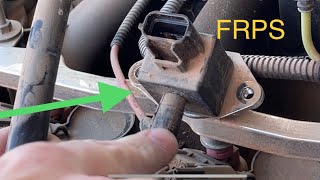
The sensor is mounted directly onto the fuel rail. On V8 GT models, it's typically on the passenger side rail. On V6 models, it's also on the fuel rail and very easy to access near the top of the engine. It's a small black plastic component with an electrical plug and a vacuum hose attached.
What's the difference between a fuel pressure sensor and a fuel pressure regulator?
The 1999-2004 Mustang uses a returnless fuel system. The Fuel Pressure Sensor on the rail monitors pressure. It does not mechanically regulate it. It sends a signal to the computer, which then electronically controls the fuel pump's speed to manage pressure. Older cars used a mechanical, vacuum-operated Fuel Pressure Regulator to send excess fuel back to the tank, a part your Mustang does not have on its fuel rail.
What happens if I don't replace a bad fuel pressure sensor?
Ignoring a failing sensor is not recommended. The most immediate danger is the engine stalling in traffic, which can increase the risk of an accident. If the sensor fails in a way that causes the engine to run very rich, it can lead to poor fuel economy and, over time, potentially damage other components like your catalytic converters or wash oil from the cylinder walls.
Helpful Videos
![CODE P0190 - NEW EDGE MUSTANG [PAY IT FORWARD GARAGE]](https://img.youtube.com/vi/ij3LORM3_dk/mqdefault.jpg)
Technical Specifications
OEM Part Numbers: 3R3Z-9F972-AA 3R3Z-9F972-AB CM-5258
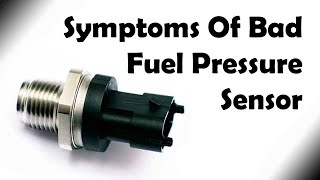
Mounts to the vehicle's fuel rail. Features a 3-pin electrical connector and a port for a vacuum line.
We Have This Part in Stock


The information in this article is provided for general reference and educational purposes only. Vehicle specifications, procedures, and part compatibility can vary by production date, trim level, and region. Always consult your vehicle's factory service manual and verify part numbers before purchasing or performing repairs. Safety-critical components such as airbags, seat belts, and braking systems should be installed by a qualified professional.
- Ford Mustang: