

Ignition Coil Guide for 1999-2003 Chevrolet Full-Size Trucks & SUVs
Everything a Chevy truck owner needs to know about replacing a faulty ignition coil.
- A rough idle and a check engine light with codes P0300-P0308 are the most common signs of a failed ignition coil.
- This is a very easy DIY repair that requires basic tools and can be completed in under 30 minutes.
- Driving with a misfire can damage your catalytic converter, leading to more expensive repairs.
- For best results, choose a quality aftermarket brand like Standard Ignition or Walker Products over no-name budget options.
Is Your Truck Running Rough? It Could Be an Ignition Coil
If your 1999-2003 Chevrolet Silverado, Tahoe, Suburban, or other full-size truck starts to run poorly, a failing ignition coil is a very common cause. These coils sit on top of the engine and are exposed to constant heat and vibration, which can cause them to fail over time. The most common signs of a bad coil are a check engine light and a rough, shaking engine.
Symptoms of a Failing Ignition Coil
A bad ignition coil will almost always trigger the Check Engine Light. If you have a code reader, you will likely see a code between P0300 and P0308. A P0300 code means a random or multiple misfire is detected, while codes P0301 through P0308 point to a specific cylinder (e.g., P0301 is a misfire on cylinder 1). Other symptoms include:
- Rough Idle: The engine will shake or vibrate more than usual when stopped.
- Hesitation or Stumbling: The truck may jerk or hesitate when you accelerate.
- Reduced Power: You might notice the truck feels sluggish and doesn't have its normal power.
- Worse Fuel Economy: An engine that misfires wastes fuel, so you'll find yourself at the gas station more often.
- Hard Starting: If one or more coils are weak, the engine may be difficult to start.
Don't Ignore a Misfire
Driving with a misfiring cylinder for a long time can cause serious damage. Unburned fuel can get into the exhaust and overheat the catalytic converter, leading to a much more expensive repair. If your check engine light is flashing, it indicates a severe misfire, and you should pull over and have the vehicle towed.
Choosing the Right Aftermarket Ignition Coil
When replacing an ignition coil, you don't have to buy the expensive OEM part from the dealer. Quality aftermarket brands can offer the same performance and reliability for less money. However, not all aftermarket parts are created equal. For a critical part like an ignition coil, it's best to avoid the cheapest no-name options, which often have high failure rates.
Here's a look at the available brands:
- Standard Ignition (SMP): Often considered a top-tier aftermarket brand. They engineer their parts to meet or exceed OEM specifications and have a reputation for quality and durability. Their Blue Streak line is often an upgrade over the original design.
- Walker Products: A well-known and reputable brand in the aftermarket. They focus on OE-grade construction and offer reliable performance, making them a solid choice for a daily driver.
- Motorad: This brand positions itself as an OEM-equivalent option, designed to perform in severe conditions and meet or exceed original specifications. They are a good mid-range choice.
- Global Parts: This is typically a value-oriented brand. While more affordable, it may not have the same long-term durability or rigorous testing as premium aftermarket brands.
Pro Tip: Replace in Sets?
Because all the coils on your engine have been working for the same amount of time, it's common for another one to fail soon after the first. While you can replace just the single failed coil to save money upfront, many mechanics recommend replacing all of them at once for peace of mind, especially on higher-mileage trucks. If you do replace just one, consider using a brand that matches the others if they are not original.
Ignition Coil Replacement Cost
The cost to replace an ignition coil on your Chevy truck can vary. Doing it yourself can save a lot on labor. The job is very easy and requires only basic hand tools.
| Item | Cost Range |
|---|---|
| New Aftermarket Coil (Single) | $57.70 - $140.83 |
| New OEM Coil (Single) | $65 - $100+ |
| Shop Labor (Per Coil) | $66 - $97 |
| Total Professional Replacement (Single Coil) | $194 - $271 |
Frequently Asked Questions
How do I find which coil is bad?
The easiest way is to use an OBD-II scanner to read the trouble code. A code like P0304 tells you the problem is in cylinder #4. If you don't have a scanner, you can try swapping the coil from the misfiring cylinder with a coil from a good cylinder. If the misfire follows the coil, you've found the bad part.
Is this a difficult job to do myself?
No, this is one of the easiest repairs you can do on a 1999-2003 Chevy truck. The coils are mounted on the valve covers and are easily accessible. You typically only need a 7mm or 10mm socket to unbolt the coil and bracket. The entire job for one coil can take as little as 15-20 minutes.
Are there any recalls for these ignition coils?
Searches for NHTSA recalls did not show any specific recalls for the ignition coils themselves on 1999-2003 Chevrolet trucks. There were major recalls for ignition *switches* on other GM vehicles from this era, but this is a different part and did not generally affect the full-size trucks.
Should I replace the spark plugs at the same time?
It's always a good idea. A worn-out spark plug can put extra strain on the ignition coil, potentially causing it to fail. If your spark plugs haven't been changed in a while, replacing them along with the coils is smart preventative maintenance.
Technical Specifications
OEM Part Numbers: 12558693 12570616 GN10119 UF262
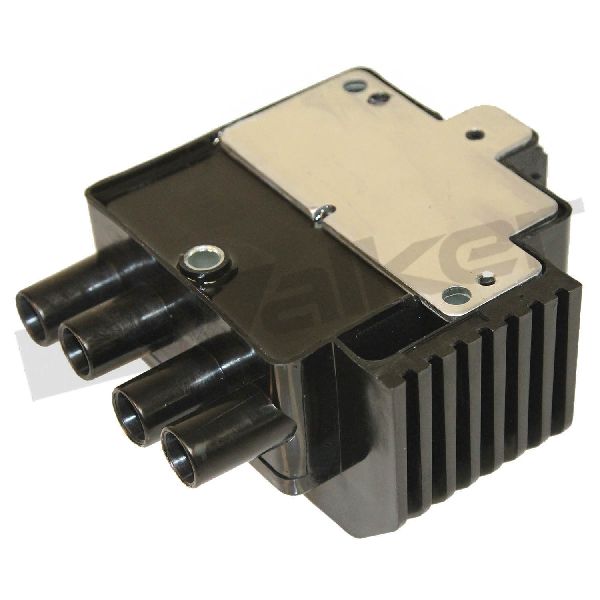
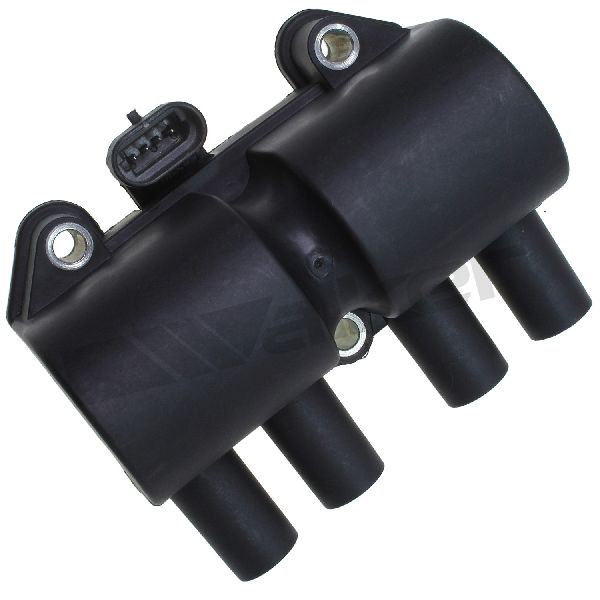
These trucks use a square-shaped, coil-near-plug style ignition coil. There are two main designs based on the heat sink (finned or smooth). While they may be interchangeable, it's best to match the style already on your truck.
We Have This Part in Stock


The information in this article is provided for general reference and educational purposes only. Vehicle specifications, procedures, and part compatibility can vary by production date, trim level, and region. Always consult your vehicle's factory service manual and verify part numbers before purchasing or performing repairs. Safety-critical components such as airbags, seat belts, and braking systems should be installed by a qualified professional.
- Chevrolet Chevy: