

Toyota Sienna Knock Sensor: A Guide for 1998-2020 Owners
Thinking about replacing your Sienna's knock sensor? Here's what you need to know before you start this challenging job.
- This is a very labor-intensive repair; the cost of the part is minimal compared to the labor to access it.
- Always replace both knock sensors and the wire harness at the same time to avoid doing the job twice.
- Due to the high labor cost, using genuine OEM or OEM-supplier (Denso) parts is strongly recommended over cheaper aftermarket options.
- Before starting the repair, check for rodent damage in the engine valley and ask a dealer about any applicable TSBs for your VIN.
Symptoms of a Bad Knock Sensor

When a knock sensor fails, your Sienna's computer can no longer detect engine knock. To protect the engine, it will switch to a pre-programmed 'safe' mode. This results in several noticeable symptoms.
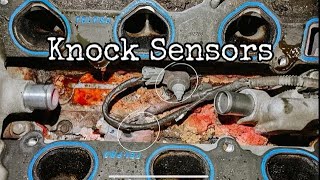
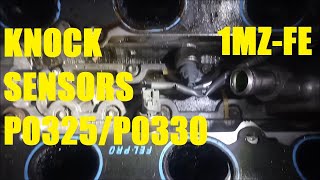
- Check Engine Light: This is the most common sign. The light will be on with codes like P0325 (Bank 1) or P0330 (Bank 2) 🎬 See how to diagnose and fix P0325/P0330 codes on Toyota V6 engines. stored in the computer.
- Poor Acceleration: The van will feel sluggish and underpowered because the engine timing is retarded (delayed) as a safety measure.
- Reduced Fuel Economy: An engine running in safe mode is not efficient, leading to more trips to the gas station.
- No Overdrive: The computer may prevent the transmission from shifting into its highest gear, causing high RPMs at highway speeds.
Choosing the Right Aftermarket Part: A Word of Caution

Replacing the knock sensors on a Sienna V6 is a major job that requires hours of labor. The cost of the parts is tiny compared to the cost of labor to get to them. Because of this, the choice of replacement part is critical.
OEM/OES vs. Value Aftermarket
While very affordable aftermarket knock sensors are available, this is one repair where using a low-cost part is a significant gamble. Forum users and professional mechanics strongly recommend using either genuine Toyota (OEM) sensors or sensors from the original equipment supplier, like Denso. A cheap sensor failing after a few thousand miles would mean paying for that expensive, 5+ hour labor charge all over again. One technician documented a new, name-brand aftermarket sensor failing in just 5,000 miles.
"While You're In There" Replacements
Due to the extensive disassembly required, it is highly recommended to replace other components located in the engine valley at the same time. This prevents having to do the same job twice for a different failed part.
- Knock Sensor Harness: The short wiring harness that connects the two sensors is a common failure point. It becomes brittle from engine heat and can be damaged by rodents. Always replace it with the sensors.
- Coolant Bypass Hose: A small rubber coolant hose runs through the valley. It's best to replace it before it has a chance to leak.
- Rear Spark Plugs & Coils: Accessing the rear three spark plugs is much easier with the intake manifold removed.
Known Issues for Toyota Sienna Knock Sensors

Rodent Damage: The valley between the cylinder heads is a popular nesting spot for rodents. They are known to chew on the knock sensor wiring, causing a circuit fault code. Before starting this repair, inspect the area with a flashlight and mirror for signs of nests or chewed wires.
🎬 Watch how to remove and test sensors on the 3.5L motor.Technical Service Bulletins (TSBs): Toyota has issued bulletins related to this system. TSB-0115-22 notes that some 2017-2020 Siennas may have a knocking noise from the vacuum pump that can be mistaken for engine knock. More importantly, another TSB indicates that for codes like P0325 and P0330, the issue could be a software glitch in the ECM, requiring a reflash (update) instead of parts replacement. It's worth checking with a dealer about TSBs for your specific VIN before buying parts.
| Item | Estimated Cost |
|---|---|
| New OEM Knock Sensors (Set of 2) | $280 - $520 |
| New Aftermarket Knock Sensors (Set of 2) | $55 - $65 |
| Shop Labor | $500 - $1000+ |
| Total Job Cost (Shop) | $800 - $1500+ |
Frequently Asked Questions

Why is this repair so expensive?
The high cost is almost entirely due to labor. The sensors are buried deep in the engine, requiring the removal of the wiper cowl, intake air system, throttle body, and the upper and lower intake manifolds to access them. This process can take a professional mechanic 4 to 7 hours.
Do I have to replace both sensors and the harness?
While you can replace only the failed sensor, it is strongly recommended to replace both sensors and the connecting wire harness at the same time. The labor is the same, and if one sensor has failed due to age, the other is likely not far behind. The harness is a known failure point and should always be replaced.
Can I do this repair myself (DIY)?
This is an advanced DIY repair. It requires many tools, patience, and careful tracking of bolts and components. While it can save you over a thousand dollars in labor, it is not recommended for beginners. 🎬 Watch this step-by-step walkthrough of the Sienna knock sensor replacement. There are many hoses and electrical connectors to disconnect, and the intake manifold gaskets must be replaced correctly to avoid vacuum leaks.
Could something else cause a knock sensor code?
Yes. Rodent damage to the wiring is a common cause. In some cases, a software update for the engine computer may be required, as noted in a Technical Service Bulletin. It's important to rule these out before tearing the engine apart.
Helpful Videos
Technical Specifications
OEM Part Numbers: 89615-12090 89615-06010 89615-20090 89615-12040
For V6 models, two sensors are required. They are located in the engine valley between the cylinder heads, under the lower intake manifold. The connecting wire harness should always be replaced with the sensors.

The information in this article is provided for general reference and educational purposes only. Vehicle specifications, procedures, and part compatibility can vary by production date, trim level, and region. Always consult your vehicle's factory service manual and verify part numbers before purchasing or performing repairs. Safety-critical components such as airbags, seat belts, and braking systems should be installed by a qualified professional.
- Toyota Sienna: