

Ford Ranger A/C Accumulator Replacement Guide for 1998-2011 Models
If your Ranger's A/C is blowing warm, the accumulator is a likely suspect—here's what you need to know.
- You MUST replace the accumulator any time the A/C system is opened to prevent moisture contamination and ensure the warranty on other parts.
- A professional shop must evacuate the refrigerant before you work and vacuum/recharge the system after you are done.
- You will need a special (but inexpensive) spring-lock tool to disconnect the lines from the accumulator.
- Always replace the orifice tube at the same time as the accumulator for a complete and lasting repair.
Is Your Ranger's A/C Accumulator Failing?

A bad A/C accumulator will quickly ruin a hot day. Because it's designed to protect the most expensive part of your A/C system (the compressor), you shouldn't ignore the warning signs. If you notice any of these symptoms, it's time to inspect your A/C system.
- Weak or No A/C Cooling: This is the most common symptom. A clogged accumulator or one with a saturated desiccant can't properly manage refrigerant flow, leading to warm air from the vents.
- Visible Refrigerant Leaks: The accumulator can rust and develop pinhole leaks. You might see a greasy, oily residue on the canister or on the ground beneath it.
- Rattling or Hissing Noises: A rattling sound when the A/C is on can mean the internal baffles are broken. Hissing noises often point to a refrigerant leak.
- Unpleasant Odor: A failing accumulator can allow moisture to build up in the system, leading to mold and a musty smell from your vents.
Critical Replacement Rule
The A/C accumulator must be replaced any time the A/C system is opened for service, such as when replacing a compressor or hose. The desiccant inside absorbs moisture from the air immediately. Reusing an old accumulator will trap that moisture in the system, leading to corrosion and premature failure of your new parts. Most compressor warranties require it.
Choosing the Right Aftermarket Accumulator

For the 1998-2011 Ranger, you have several good options. Here’s how they stack up.
- Tier 1: OEM (Motorcraft): Motorcraft is Ford's own brand and the original equipment manufacturer. These parts are guaranteed to fit and perform exactly like the original. They undergo extensive testing to meet Ford's engineering standards, making them the most reliable, albeit often most expensive, choice.
- Tier 2: Premium Aftermarket (Four Seasons, Spectra): Brands like Four Seasons and Spectra Premium are well-respected in the industry. They design their parts to meet or exceed OE specifications and are known for quality construction, such as using high-grade desiccant and quality brazing to prevent leaks. Many professional mechanics trust and use these brands.
- Tier 3: Budget Aftermarket (Global Parts, UAC): These brands offer a cost-effective solution and are widely available. While they get the job done, they may not have the same level of quality control or use the same premium materials as the higher-tiered brands. They can be a good choice for a budget-conscious repair, but may not have the same longevity.
Pro Tip: Replace the Orifice Tube
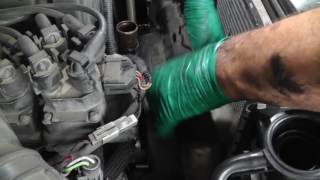
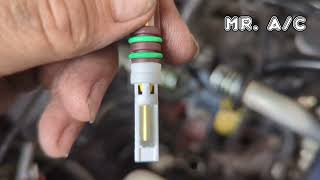
While you're replacing the accumulator, you should also replace the A/C orifice tube. It's a small, inexpensive filter that is also a critical wear item. A clogged orifice tube causes similar cooling problems and is often replaced at the same time as the accumulator.
🎬 Watch: How to locate and replace the A/C orifice tube.Aftermarket A/C Accumulator Cost for 1998-2011 Ford Ranger
| Brand Tier | Part Cost |
|---|---|
| OEM (Motorcraft) | $60 - $90 |
| Premium Aftermarket (Four Seasons, Spectra) | $40 - $65 |
| Budget Aftermarket (Global Parts, UAC) | $25 - $45 |
Note: Prices are estimates and can vary by retailer and location.
Frequently Asked Questions

Do I have to replace the accumulator if I'm replacing my A/C compressor?
Yes, absolutely. The accumulator is considered a wear item and contains a moisture-absorbing desiccant. Once the system is opened, the old accumulator is considered contaminated and will void the warranty on your new compressor. Always install a new accumulator and orifice tube with a new compressor.
Can I replace the A/C accumulator myself?
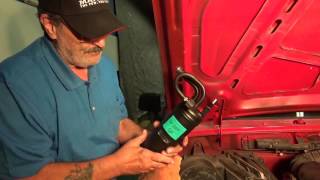
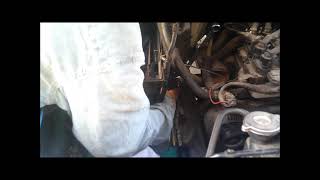
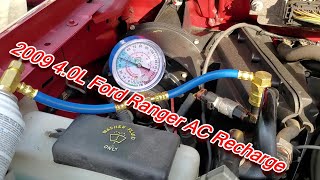
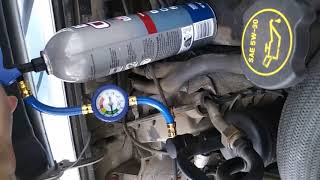
The physical replacement is straightforward for a DIYer with the right tools. 🎬 Watch: A quick walkthrough of the accumulator replacement process. However, handling refrigerant requires professional equipment. The proper procedure is to have a shop evacuate the system, you replace the parts at home, and then you return to the shop to have the system vacuum-tested and recharged. It is illegal to vent refrigerant into the atmosphere.
What special tools are needed to replace the accumulator?
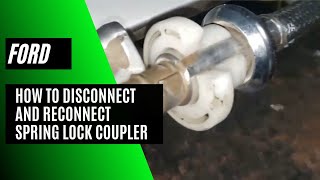
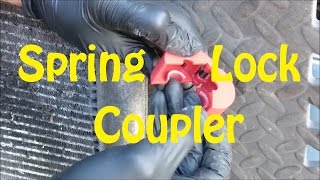
You will need a set of A/C spring-lock or quick-disconnect tools to separate the refrigerant lines from the accumulator. These are inexpensive and available at any auto parts store. 🎬 See how to use the spring lock coupler tool properly. The lines can be stubborn, so sometimes wiggling and rotating the part while the tool is engaged is necessary.
Does the new accumulator come with oil in it?
No. New accumulators are shipped dry. You must add the correct type and amount of PAG oil to the new accumulator before installation. The specific amount of oil needed depends on which components you are replacing. Always check the service manual for your Ranger's specific A/C system capacities.
Were there any recalls on the 1998-2011 Ranger A/C accumulator?
No, searches of NHTSA data and technical service bulletins (TSBs) did not find any specific recalls or widespread issues related to the A/C accumulator for the 1998-2011 Ford Ranger. Any issues found were for newer model years and different components.
Helpful Videos
Technical Specifications
OEM Part Numbers: YF-2620
The A/C system in the 1998-2011 Ford Ranger is a fixed orifice tube (FOT) system that uses an accumulator on the low-pressure side. It is not compatible with receiver-driers found on thermal expansion valve (TXV) systems.
We Have This Part in Stock
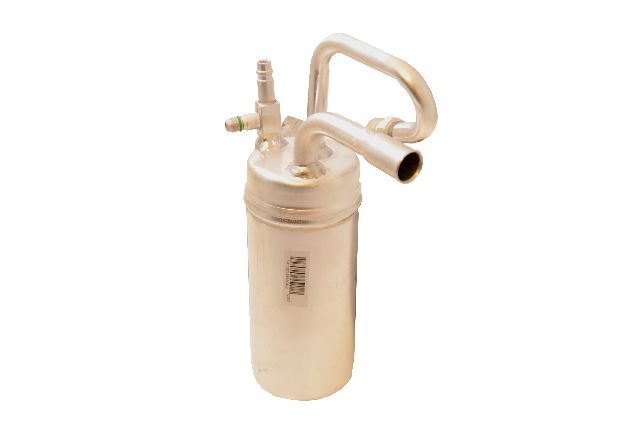
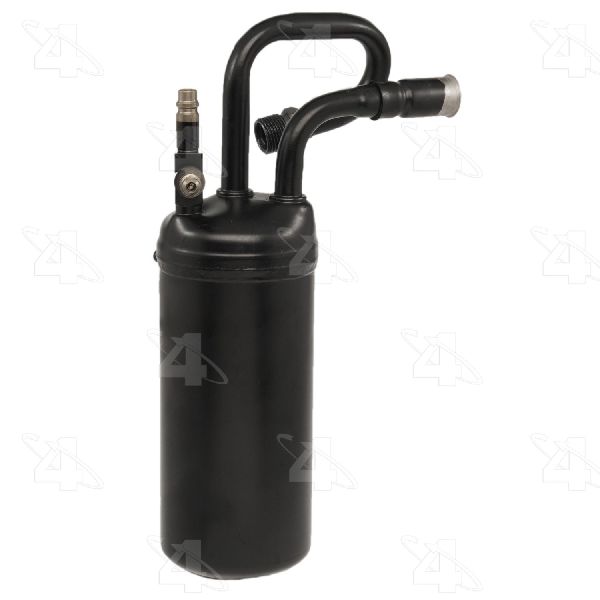

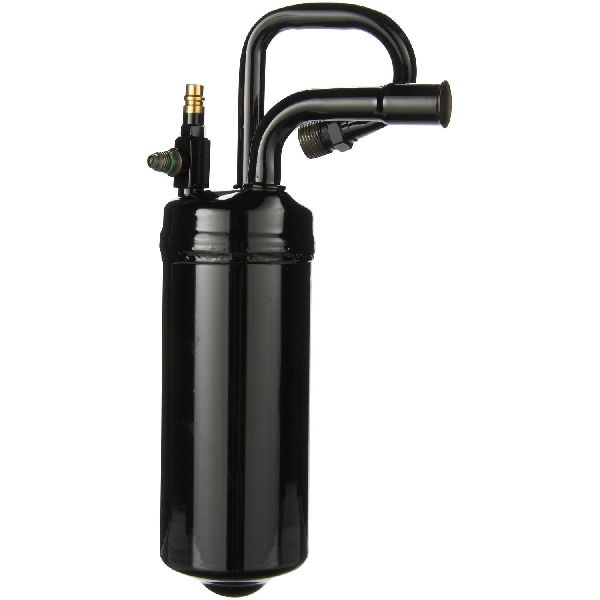

The information in this article is provided for general reference and educational purposes only. Vehicle specifications, procedures, and part compatibility can vary by production date, trim level, and region. Always consult your vehicle's factory service manual and verify part numbers before purchasing or performing repairs. Safety-critical components such as airbags, seat belts, and braking systems should be installed by a qualified professional.
- Ford Ranger: