

Chevrolet Impala Transmission Solenoid Guide (2000-2011)
Experiencing harsh shifting or delays in your Impala? A faulty transmission solenoid is the likely cause.
- Solenoid failure in the 4T65-E transmission is a very common problem for 2000-2011 Impalas.
- The main symptom is harsh, banging shifts, often caused by the Electronic Pressure Control (EPC) solenoid.
- Due to the high labor cost, always replace the shift solenoids, EPC solenoid, and TCC solenoid as a complete kit.
- A high-quality aftermarket kit can be a reliable alternative to the failure-prone original parts.
Is Your Impala Banging Into Gear?

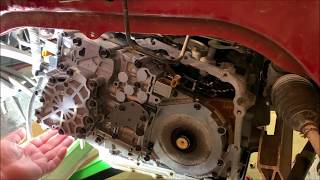
A common and well-documented weak point on the 2000-2011 Chevrolet Impala is the automatic transmission solenoids, particularly the Electronic Pressure Control (EPC) solenoid in the 4T65-E transmission. When these solenoids start to fail, you'll notice significant changes in how your car drives. 🎬 Watch: See what a failing 4T65-E transmission feels like. Symptoms can range from annoying to severe, often starting intermittently and getting worse over time. Because the labor to access these parts is intensive, it is highly recommended to replace all the main solenoids as a kit.
Understanding the Different Solenoids

When shopping for this part, you'll see individual solenoids and complete kits. It's important to know what each one does.
- Shift Solenoids (A/B): Your Impala has two of these. They are responsible for the physical upshifts and downshifts between gears (1-2 and 2-3). Failure often leads to being stuck in a gear or harsh shifting.
- Electronic Pressure Control (EPC) Solenoid: This is the most common culprit for issues in the 4T65-E. It regulates the hydraulic pressure inside the transmission. A bad EPC solenoid causes the classic 'banging' into gear, harsh shifts, and the P1811 trouble code. 🎬 See this walkthrough on fixing the P1811 max adapt code.
- Torque Converter Clutch (TCC) Solenoid: This solenoid locks and unlocks the torque converter at highway speeds to improve fuel efficiency. A failure can cause shuddering or stalling.
A Note on OEM vs. Aftermarket
The original equipment (OEM) solenoids in the 4T65-E are known to have a high failure rate. This is one of the few cases where high-quality aftermarket parts can be a reliable, and sometimes even improved, alternative to installing another OEM part that may have the same original design flaw. Many aftermarket kits have been developed specifically to address these known issues.
Choosing the Right Aftermarket Solenoid Kit

Since the labor to replace these solenoids is the biggest part of the expense, choosing a quality part is critical. You don't want to do this job twice. Aftermarket brands for your Impala can be grouped into tiers.
- Professional Grade (Higher Cost): Brands like Standard Ignition (SMP) are well-regarded in the industry. They focus on meeting or exceeding OEM specifications and are a trusted choice for professional mechanics. This is your best option for reliability and peace of mind.
- Standard Grade (Medium Cost): Brands like ATP and Pioneer Cable offer a balance of quality and affordability. They are a solid choice for a daily driver and are often used for repairs where budget is a key consideration.
- Economy Grade (Lowest Cost): Unbranded kits found on marketplaces can be very inexpensive. While tempting, their quality can be inconsistent. Given the difficult installation, saving a few dollars on the part could lead to much higher costs if it fails prematurely.
Estimated Replacement Costs
| Part Type | Estimated Cost |
|---|---|
| New Aftermarket Solenoid Kit | $45 - $120 |
| New OEM (ACDelco) Solenoid Kit | $200 - $250 |
| Shop Labor | $350 - $600 |
| Total Professional Installation | $400 - $720+ |
Frequently Asked Questions (FAQ)

Why does my Impala bang into gear from a stop?
This is the classic symptom of a failing Electronic Pressure Control (EPC) solenoid. When you accelerate from a stop, the faulty solenoid allows pressure to build incorrectly, causing the transmission to engage abruptly with a violent 'bang' or surge.
Can I just replace one bad solenoid instead of the whole kit?
You can, but it's not recommended. The labor to access the solenoids is significant because the side cover of the transmission must be removed. Since all the solenoids are the same age and have been subjected to the same conditions, if one has failed, the others are likely near the end of their service life. Replacing them all at once saves you from having to pay for the same difficult labor again in the near future.
Is there a recall for this problem?
No, there has been no official recall from General Motors for failing transmission solenoids on the 1998-2011 Impala, despite it being a very common and widely reported problem among owners and mechanics.
Will changing the transmission fluid fix my solenoid problem?
If the problem is caused by dirty fluid or a clogged passage, a fluid and filter change might help temporarily, but it is unlikely to be a permanent fix. If the solenoid's internal electronics or mechanical parts have failed, which is usually the case, the solenoid must be replaced.
Helpful Videos

Technical Specifications
OEM Part Numbers: 24227792 24219819 10478146 24225825
Fits 4T65-E Automatic Transmission. Kits typically include two shift solenoids, one EPC solenoid, and one TCC solenoid. Verify correct parts for 1998-2002 vs 2003+ models as there can be differences.
We Have This Part in Stock


The information in this article is provided for general reference and educational purposes only. Vehicle specifications, procedures, and part compatibility can vary by production date, trim level, and region. Always consult your vehicle's factory service manual and verify part numbers before purchasing or performing repairs. Safety-critical components such as airbags, seat belts, and braking systems should be installed by a qualified professional.
- Chevrolet Impala: