

Dodge Durango Oxygen Sensor Guide: 1998-2010 Models
Everything a Durango owner needs to know about replacing a bad oxygen sensor.
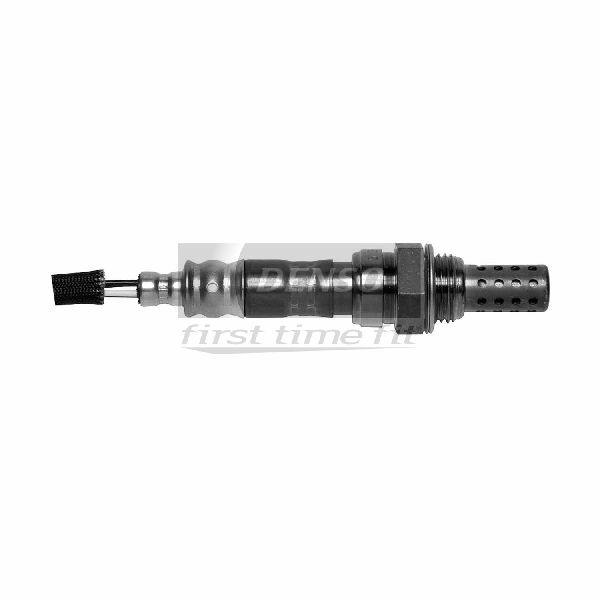
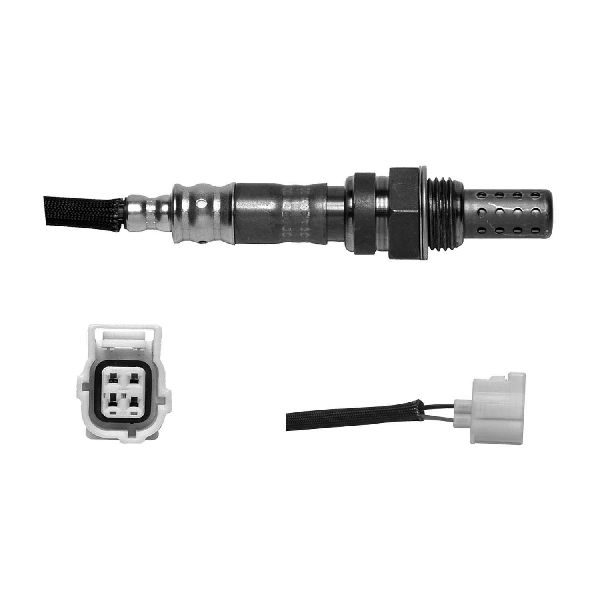
- Stick with Denso or NGK (NTK) brand sensors for your Durango; they are often the OEM supplier and are known to work best with Dodge electronics.
- Avoid Bosch and cheap, unbranded sensors, as they have a history of causing compatibility issues in these vehicles.
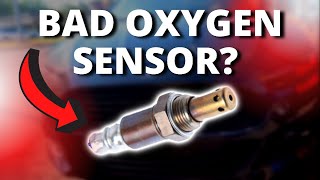
- A bad oxygen sensor will cause poor fuel economy, rough running, and will eventually damage your expensive catalytic converter if ignored.
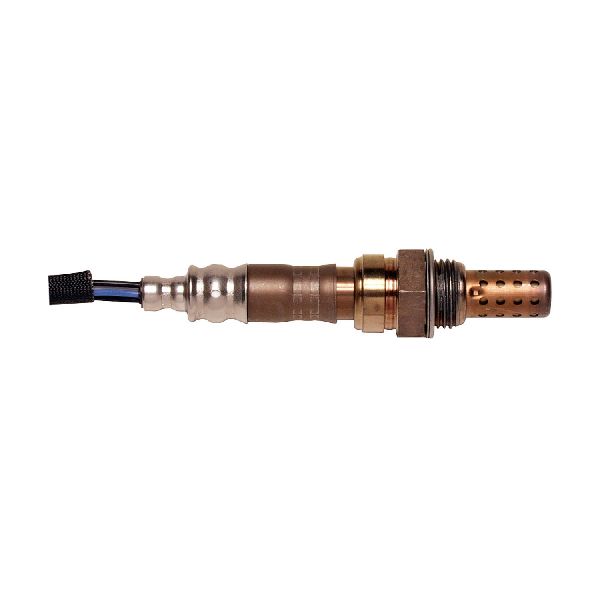
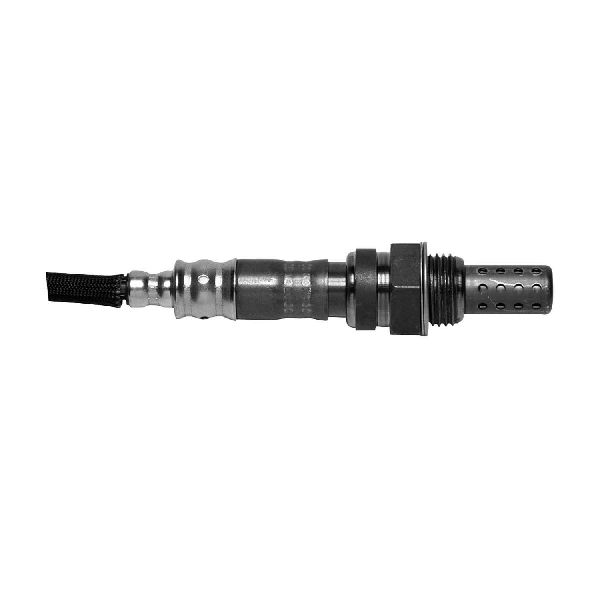
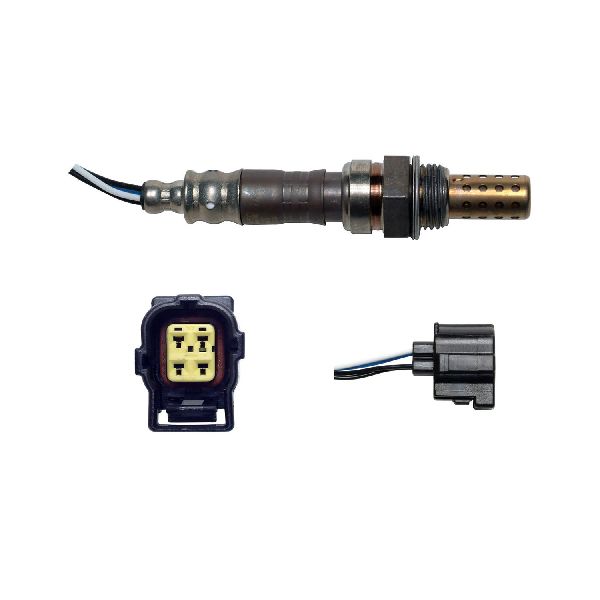
- You must order the correct sensor for the specific location (e.g., Bank 1, Sensor 1). The upstream and downstream sensors are not interchangeable, and wire lengths may differ.
Understanding Your Durango's Oxygen Sensors

Your 1998-2010 Dodge Durango has multiple oxygen sensors. The exact number depends on the engine and year. Most V8 models, like the 5.7L Hemi, have four sensors, while some earlier V6 or 5.2L/5.9L V8 models may have two. They are located in two main positions: 'upstream' and 'downstream'.
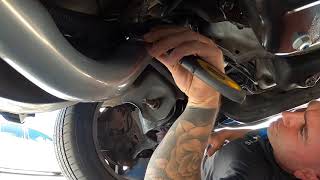
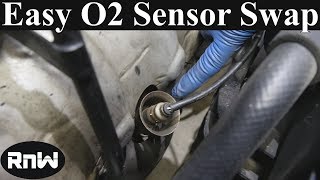
- Upstream (Sensor 1): Located in the exhaust manifold or pipe before the catalytic converter. This is the most important sensor for engine management, as it provides the primary data for adjusting the air-fuel ratio. 🎬 Watch: How to replace your primary upstream O2 sensors
- Downstream (Sensor 2): Located after the catalytic converter. Its main job is to monitor the converter's efficiency by comparing its reading to the upstream sensor.
When ordering, you must know the specific sensor you need: Bank 1 (usually the passenger side), Bank 2 (driver's side), and Sensor 1 (upstream) or Sensor 2 (downstream). Using the wrong sensor can cause performance issues.
Symptoms of a Failing Oxygen Sensor

When an O2 sensor starts to fail, it can cause a range of noticeable problems. Ignoring them can lead to more expensive repairs down the road, like a damaged catalytic converter.
- Check Engine Light: The most common sign is an illuminated Check Engine Light.
- Poor Fuel Economy: Your truck will use more gas as the engine computer guesses the fuel mixture, usually running it rich (too much fuel).
- Rough Idle & Misfires: You may feel a rough or unstable idle, engine hesitation, or misfires because the air-fuel mixture is wrong.
- Rotten Egg Smell: A strong sulfur or rotten egg smell from the exhaust indicates an overly rich fuel mixture and a struggling catalytic converter.
- Failed Emissions Test: A bad O2 sensor will almost guarantee a failed emissions inspection.
Choosing the Right Aftermarket Oxygen Sensor

For Dodge vehicles, sensor choice matters. While a Mopar box contains the factory part, several aftermarket brands provide excellent quality, often because they are the original equipment manufacturer (OEM). Based on owner feedback, some brands are a better fit for Durangos than others.
Pro Tip: Many owners and mechanics recommend replacing O2 sensors in pairs (e.g., both upstream sensors at the same time) or all at once, especially on higher-mileage vehicles. This ensures consistent performance, as old sensors may not read as quickly as new ones.
Recommended Brands (Tier 1)
- Denso & NGK (NTK): These brands are frequently the original OEM suppliers for Chrysler/Dodge. They are widely considered the best aftermarket choice, offering OEM performance and reliability without the dealership price. Forum discussions strongly favor Denso and NTK for their compatibility and longevity with Dodge electronics.
- Mopar: This is the official OEM part. It's a guaranteed fit and will work correctly, but it is the most expensive option.
Acceptable Brands (Tier 2)
- Delphi & Walker Products: These are reputable aftermarket brands. Walker sensors have been used by some owners with success. They can be a good budget-friendly option if Tier 1 brands are unavailable.
Brands to Use with Caution (Tier 3)
- Bosch: While a major parts manufacturer, Bosch O2 sensors have a mixed reputation among Dodge owners. Some report no issues, but many have experienced problems like incorrect readings, slow warm-up times, or premature failure when used in Dodge applications that didn't have Bosch from the factory. It's generally recommended to choose Denso or NGK/NTK instead.
- Store Brands/Value Brands (e.g., DriveWire): These are typically the cheapest option but come with the highest risk of incompatibility or early failure. For a critical sensor like this, it's usually worth spending a little more for a proven brand.
| Part Type | Typical Price Range (per sensor) |
|---|---|
| New Aftermarket (Denso, NGK) | $35 - $80 |
| New Aftermarket (Value) | $30 - $50 |
| New OEM (Mopar) | $80 - $150+ |
| Shop Labor | $100 - $265 |
Known Issues, Recalls & TSBs
My research found no specific recalls or Technical Service Bulletins (TSBs) directly related to oxygen sensor failure for the 1998-2010 Dodge Durango. Failures are typically due to age, contamination from oil or coolant leaks, or carbon buildup. Sensors are a normal wear-and-tear item expected to be replaced every 60,000 to 100,000 miles.
Frequently Asked Questions (FAQ)

How many oxygen sensors does my Durango have?
It depends on the year and engine. Most V8 models (4.7L, 5.7L) and later 3.7L V6 models have four sensors: two upstream (Bank 1 and Bank 2) and two downstream. Some early 5.2L and 5.9L V8 models (approx. 1998-2000) may only have two sensors, one upstream and one downstream. Always verify the exact number for your specific vehicle.
What tools do I need to replace an O2 sensor?
You will need a special tool called an oxygen sensor socket, which has a slot for the wire to pass through. You'll also need a ratchet and possibly an extension. Applying anti-seize compound to the threads of the new sensor is crucial to prevent it from getting stuck in the future (most new sensors come with it pre-applied).
Can I replace just one bad O2 sensor?
Yes, but it's often recommended to replace them in pairs (both upstream or both downstream). An old sensor responds slower than a new one, and having mismatched sensors on each bank can cause subtle fuel balance issues. If one has failed due to high mileage, the others are likely near the end of their life too.
What's the difference between upstream and downstream sensors?
The upstream sensor (Sensor 1) is before the catalytic converter and is the primary sensor for controlling the engine's air-fuel mixture. The downstream sensor (Sensor 2) is after the converter and its main job is to check if the converter is working correctly. A bad upstream sensor has a much bigger impact on how your engine runs.
Why shouldn't I use a Bosch sensor on my Durango?
While Bosch is a quality brand, their sensors can have different internal resistance or warm-up characteristics compared to the Denso or NTK sensors your Durango's computer is designed to work with. This mismatch can lead to persistent check engine lights, rough running, or the computer thinking the new sensor is faulty. It's best to stick with the OEM-style brands like Denso or NTK.
Helpful Videos
Technical Specifications
Number of sensors varies by engine and year (typically 2 or 4). Requires a specific oxygen sensor socket for removal and installation. Upstream (pre-catalyst) and Downstream (post-catalyst) sensors are different and must be installed in the correct locations.
We Have This Part in Stock

The information in this article is provided for general reference and educational purposes only. Vehicle specifications, procedures, and part compatibility can vary by production date, trim level, and region. Always consult your vehicle's factory service manual and verify part numbers before purchasing or performing repairs. Safety-critical components such as airbags, seat belts, and braking systems should be installed by a qualified professional.
- Dodge Durango: