

Freightliner FLD120 Serpentine Belt Replacement Guide (1998-2008)
Keep your rig’s essential systems running with the right serpentine belt for your specific engine.
- The correct serpentine belt depends entirely on the specific engine in your FLD120 (Detroit, Cummins, Cat). Always verify your engine model before buying.
- Symptoms of failure include squealing noises, visible cracks or fraying, dimming lights, and engine overheating.
- For maximum reliability, inspect the belt tensioner and idler pulleys when replacing the belt and consider replacing them as a set.
- Top aftermarket brands like Gates, Continental, and Dayco offer quality and reliability that often meets or exceeds OEM standards for this part.
Understanding Your FLD120's Serpentine Belt
The serpentine belt is one of the most critical wear items on your Freightliner's engine. Unlike older trucks that used multiple V-belts, the 1998-2008 FLD120 uses a single, multi-ribbed serpentine belt to power all its essential accessories. This design is more efficient but also means a single point of failure. A snapped belt will immediately cause loss of power steering, battery charging, and engine cooling, potentially leading to major engine damage if not addressed. For this reason, treating the serpentine belt as a routine maintenance item is crucial for any owner-operator or fleet manager.
Engine Type is Critical
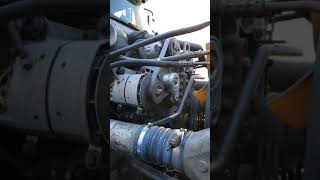
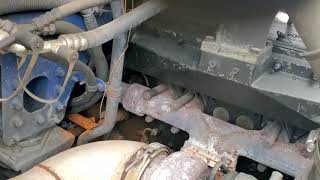
The 1998-2008 Freightliner FLD120 was offered with several different engines, including Detroit Diesel (like the 12.7L Series 60), 🎬 Watch a professional install a belt and tensioner on a Series 60. Cummins, and Caterpillar. The single most important factor in choosing the correct serpentine belt is your engine model. Each engine has a unique belt length and routing diagram. Always verify the correct part number for your specific engine before purchasing.
Symptoms of a Failing Serpentine Belt
Don't wait for a breakdown. Your truck will usually give you warning signs that the serpentine belt or its related components are wearing out.
- Squealing or Chirping Noises: This is the most common symptom. A high-pitched squeal, especially on startup or when the engine is under load, often means the belt is slipping due to wear, fluid contamination, or a failing tensioner.
- Visible Wear and Damage: A visual inspection can reveal a lot. Look for cracks, fraying, missing chunks of the ribs, or a glazed, shiny appearance on the belt's surface. Any of these signs mean it's time for a replacement.
- Accessory and Electrical Issues: If you notice your headlights dimming, the battery warning light flickering, or the A/C performance is poor, it could be due to the belt slipping on the alternator or A/C compressor pulley.
- Engine Overheating: Since the belt drives the water pump, a failing belt can lead to improper coolant circulation and cause the engine temperature to rise.
- Stiff or Heavy Steering: A loss of power to the power steering pump will make the steering wheel very difficult to turn, a serious safety issue.
Choosing the Right Aftermarket Serpentine Belt
For a part like a serpentine belt, high-quality aftermarket brands are often equivalent to, or even exceed, OEM quality. The key is to stick with reputable manufacturers. All three brands—Gates, Dayco, and Continental—are well-regarded Tier 1 suppliers in the heavy-duty market.
- Good (Standard Replacement): A standard Dayco belt is a reliable and cost-effective choice for regular service intervals. They are a common OEM supplier and make a quality product that meets factory specifications.
- Better (Heavy-Duty): Gates is a highly respected name in the trucking industry, known for its durable Micro-V belts. Many professional mechanics prefer Gates for their reliability and longevity under the harsh conditions of a commercial truck engine.
- Best (Premium Problem-Solver): Continental (formerly Goodyear Gatorback) belts are often considered a premium option. Their unique design can sometimes solve noise issues that other belts can't, making them a top choice for a quiet, long-lasting replacement.
Pro Tip: When replacing the belt, it is highly recommended to inspect the belt tensioner and idler pulleys. These components can also fail, causing noise or shredding a new belt. Many mechanics replace the tensioner and idler(s) at the same time as the belt for peace of mind. It's a common practice in the trucking world to carry a spare belt and the necessary tools for a roadside replacement.
| Item | Estimated Cost |
|---|---|
| New Aftermarket Serpentine Belt | $12.81 - $109.49 |
| Shop Labor | $100 - $250 |
| Total Estimated Cost | $113 - $360 |
Costs are estimates and can vary based on your engine, location, and the specific shop's labor rates. Labor for a heavy-duty truck is typically higher than for a passenger car.
Frequently Asked Questions
How often should I replace the serpentine belt on my FLD120?
There is no single mileage interval, as it depends heavily on operating conditions. A good practice is to inspect the belt at every oil change or at least every 25,000 miles. Many owner-operators perform a preventative replacement every 100,000 miles or so, especially if they also replace the tensioner. Always replace it if you see signs of wear.
Is replacing the serpentine belt a DIY job?
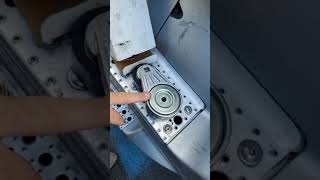
For a mechanically experienced individual, yes. The process involves releasing the tension on the automatic belt tensioner with a breaker bar or specialized tool, removing the old belt, routing the new one correctly, and releasing the tensioner. However, access can be tight, and ensuring the correct routing is critical. 🎬 Watch this step-by-step guide to replacing a belt on an FLD. If you are not comfortable, it's a relatively quick job for a qualified diesel mechanic.
Are there any recalls for the FLD120 serpentine belt?
Searches of the NHTSA database did not reveal any specific recalls for the serpentine belt, tensioner, or pulleys on the 1998-2008 Freightliner FLD120. However, some general Freightliner service bulletins exist for belt wear on other models with certain engine configurations, highlighting the importance of proper tension and alignment.
What is a belt tensioner and why is it important?
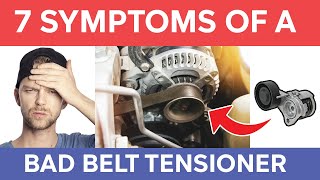
The automatic belt tensioner is a spring-loaded pulley assembly that keeps constant, correct tension on the serpentine belt. A weak or failed tensioner can cause the belt to slip, squeal, or even fly off the pulleys. It's a common cause of belt-related noise and failure.
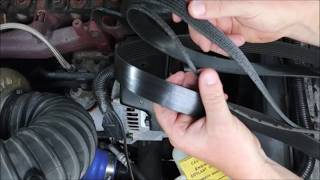
🎬 See this video to identify symptoms of a bad belt tensioner.Helpful Videos
Technical Specifications
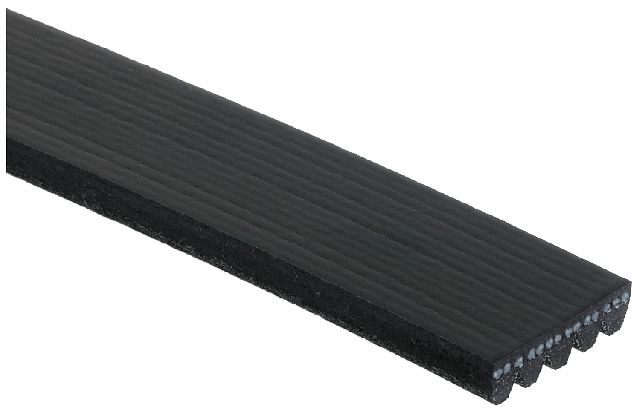
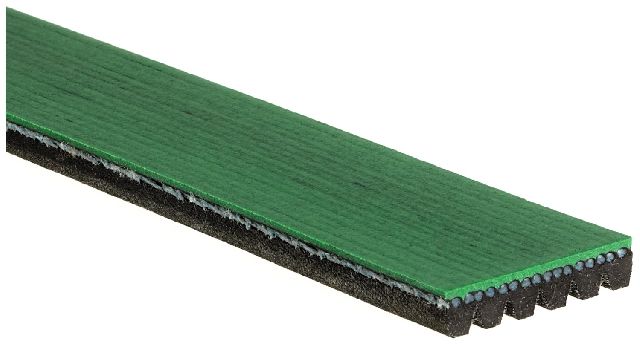
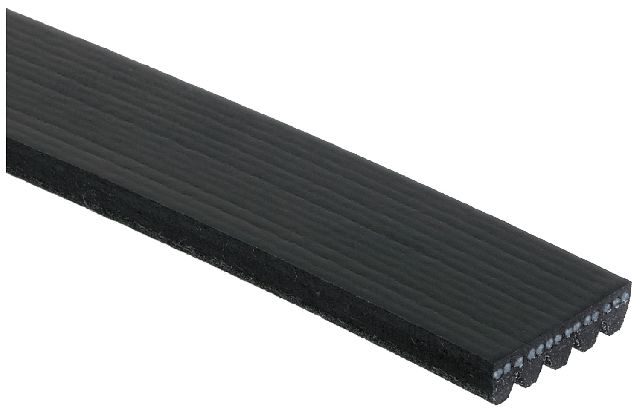
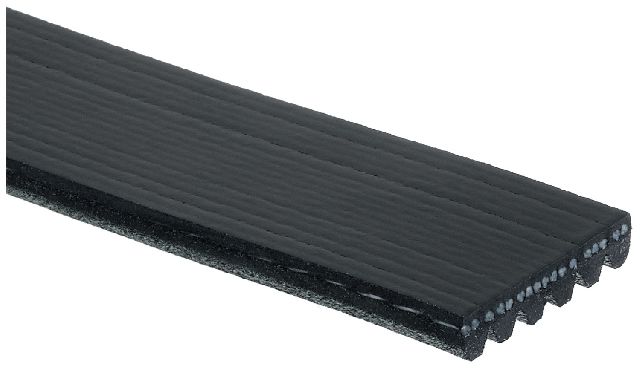
The key specifications are the belt's length and the number of ribs. These vary significantly based on the engine manufacturer (Detroit Diesel, Cummins, Caterpillar) and the specific accessory configuration (e.g., with or without A/C). Always use a part catalog to match the belt to your truck's VIN or engine serial number.
We Have This Part in Stock

The information in this article is provided for general reference and educational purposes only. Vehicle specifications, procedures, and part compatibility can vary by production date, trim level, and region. Always consult your vehicle's factory service manual and verify part numbers before purchasing or performing repairs. Safety-critical components such as airbags, seat belts, and braking systems should be installed by a qualified professional.
- Freightliner FLD120: