

Ford Fiesta Engine Coolant Temperature Sensor Guide (1998-2007)
A complete guide to diagnosing and replacing the engine coolant temperature sensor on your 1998-2007 Ford Fiesta.
- The 1.3L Endura engine has two separate coolant sensors; identify the correct one before buying.
- Symptoms include poor MPG, rough idle, overheating, and a P0115 check engine code.
- OEM (Motorcraft) sensors are generally recommended for best reliability, but premium aftermarket is a viable alternative.
- Replacement is a manageable DIY task for most home mechanics and takes less than an hour.
Is Your Fiesta's Temperature Sensor Failing?

A faulty Engine Coolant Temperature (ECT) sensor can cause a surprising number of problems that might not seem related at first. Because the sensor's reading affects so many engine functions, a bad signal can make your car run poorly. If the sensor sends a false 'cold' signal, the engine will run too rich, wasting fuel and potentially causing long-term damage. If it sends a false 'hot' signal, the engine may have trouble starting or run rough.
Common Symptoms of a Bad ECT Sensor

Here are the most common signs that your Fiesta's coolant temperature sensor needs to be replaced:
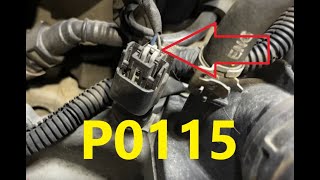
- Check Engine Light: This is often the first warning. A scan tool might show code P0115, which points to a fault in the ECT sensor circuit.
- Poor Fuel Economy: If the sensor incorrectly tells the computer the engine is always cold, the computer will continuously enrich the fuel mixture, causing you to use more gas.
- Rough Idling or Stalling: An incorrect fuel mixture can make your engine idle poorly, vibrate, or even stall, especially when it should be warmed up.
- Black Smoke from Exhaust: This is a sign of a very rich fuel mixture, where unburned fuel is being sent out the tailpipe. This can happen if the sensor is stuck on a 'cold' reading.
- Engine Overheating: If the sensor fails to report that the engine is getting hot, the cooling fans may not turn on when they need to, leading to overheating.
- Hard Starting: When the engine is cold, a faulty sensor might not allow for the richer fuel mixture needed to start easily.
A Note for 1.3L Endura Engine Owners
The 1998-2002 Ford Fiestas with the 1.3L Endura-E engine have two separate coolant temperature sensors. One sensor sends information to the temperature gauge on your dashboard. The second, different sensor sends temperature information to the engine computer (ECU) to control the fuel mixture and cooling fans. It is critical to identify which sensor is causing the problem before ordering a replacement. A faulty gauge reading points to the gauge sender, while performance issues like poor mileage or a P0115 code point to the ECU sensor.
Choosing the Right Aftermarket Sensor

When it comes to critical sensors, quality matters. While many aftermarket options are available, forum discussions among Ford owners often recommend sticking with OEM (Motorcraft) parts for the best reliability and fit. Aftermarket sensors can sometimes have different resistance values, leading to slightly incorrect readings even when new. However, if you're looking for a more budget-friendly option, reputable aftermarket brands can be a good choice.
Brand Quality Tiers
- Tier 1: OEM (Motorcraft): The original part your Fiesta was built with. Offers the highest likelihood of perfect fit, calibration, and longevity. Generally the most expensive option.
- Tier 2: Premium Aftermarket (NGK, Standard Ignition): These are well-respected brands known for producing quality components that often meet or exceed OE specifications. They are a solid choice for a balance of price and quality.
- Tier 3: Economy Aftermarket (Four Seasons, Walker, Holstein, etc.): These brands provide a cost-effective solution. While they are designed as direct replacements, quality can be more variable. They can be a good option for a budget repair, but may not have the same lifespan as premium brands.
| Part Type | Part Cost | Shop Labor Cost | Total Estimated Cost |
|---|---|---|---|
| New OEM (Motorcraft) | $45 - $75 | $85 - $115 | $130 - $190 |
| New Aftermarket | $13 - $72 | $85 - $115 | $98 - $187 |
Cost estimates are approximate and can vary based on your location and the specific repair shop. The labor estimate is based on a typical replacement time of 0.5-1.0 hours.
Installation Tip
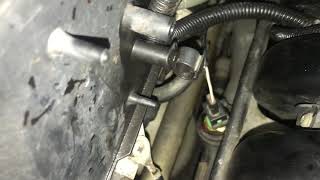
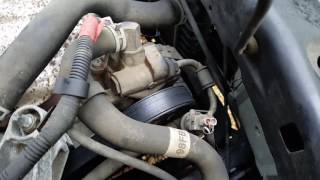
The ECT sensor is typically located near the thermostat housing. On 1.6L engines, it's often found under the ignition coil pack. On 1.3L engines, the ECU sensor is on the back of the engine block. The job is feasible for a DIYer with basic tools. Always let the engine cool completely before starting. Be prepared for a small amount of coolant to spill when you remove the old sensor. It's a good idea to have some fresh, correct-spec coolant on hand to top off the system afterward.
Frequently Asked Questions
Where is the coolant temperature sensor on my 1998-2007 Fiesta?
For 1.6L Zetec engines, the sensor is usually located on the cylinder head, near the thermostat housing, often underneath the ignition coil pack. For the 1.3L Endura engine, there are two: one for the gauge and one for the ECU, located on the back of the engine block.
Can I drive my Fiesta with a bad coolant temperature sensor?
It is not recommended. A faulty sensor can lead to poor engine performance, reduced fuel economy, and potentially severe engine damage from overheating if the cooling fans don't activate. It's best to get it replaced as soon as possible.
Was there a recall for the ECT sensor on the 1998-2007 Fiesta?
No, there were no specific recalls for the Engine Coolant Temperature sensor on the 1998-2007 Ford Fiesta in the US market. A later recall (17S09) for 2014-2015 models involved installing a coolant *level* sensor due to a different issue, but it does not apply to this generation.
What is the difference between the gauge sensor and the ECU sensor on 1.3L models?
The gauge sensor (or sender) has one job: to make the temperature needle on your dashboard move. The ECU sensor provides the critical temperature data to the engine's computer, which uses it to control fuel injection, idle speed, and the cooling fans. They are not interchangeable.
Why is my cooling fan always on or never turning on?
This is a classic symptom of a failed ECT sensor. If the sensor sends a constant 'hot' signal, the ECU will run the fans continuously as a fail-safe. If it sends a 'cold' signal, the ECU may never know the engine is hot enough to require the fans, leading to overheating.
Helpful Videos
![How to Fix FORD P0115 Engine Code in 3 Minutes [2 DIY Methods / Only $7.32]](https://img.youtube.com/vi/ewZ7wBqwA8k/mqdefault.jpg)
Technical Specifications
OEM Part Numbers: 93BB10K936AA 91GB10K936AA 1089854 3F1Z-12A648-A 6820218 1117860
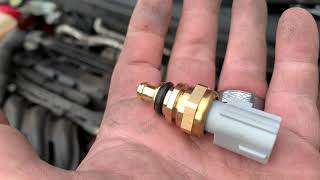
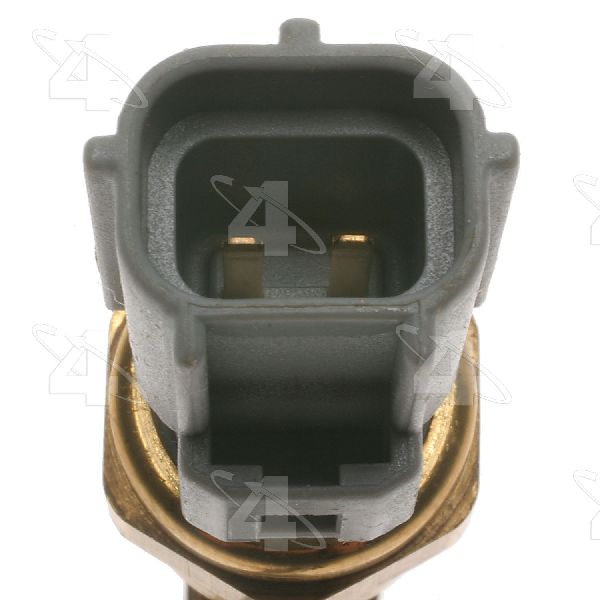
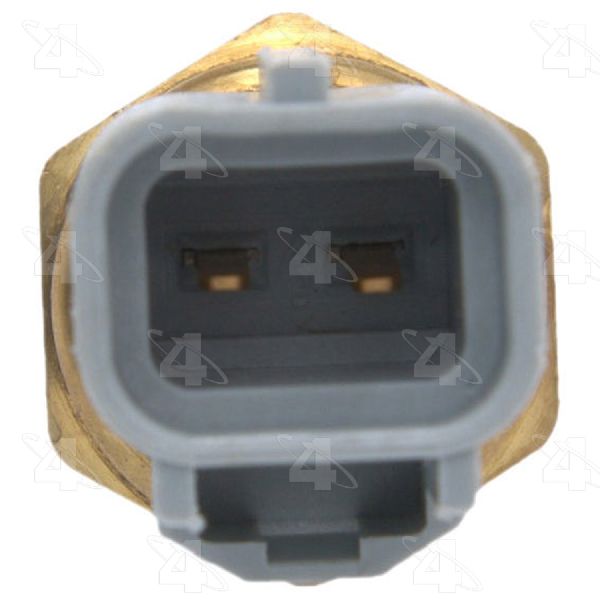
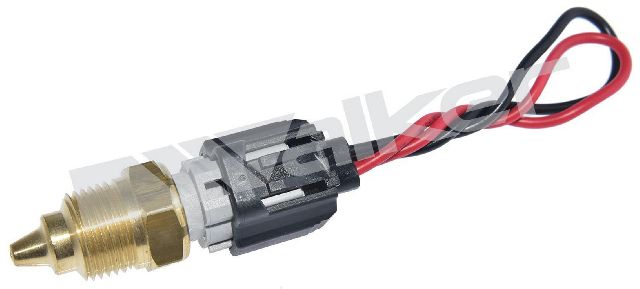
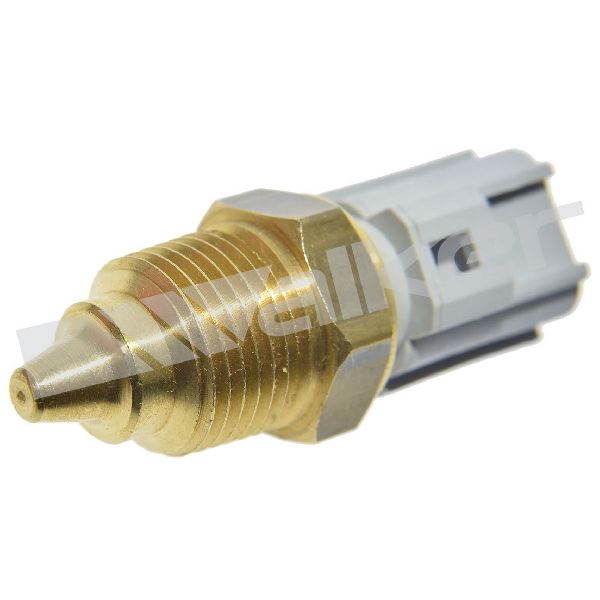
Typically a 2-pin sensor with a threaded brass body. The 1.3L Endura engine uses two distinct sensors, one for the ECU and one for the temperature gauge. The 1.6L Zetec engine uses a single sensor for the ECU. The sensor functions as a thermistor, changing its electrical resistance based on coolant temperature.
We Have This Part in Stock


The information in this article is provided for general reference and educational purposes only. Vehicle specifications, procedures, and part compatibility can vary by production date, trim level, and region. Always consult your vehicle's factory service manual and verify part numbers before purchasing or performing repairs. Safety-critical components such as airbags, seat belts, and braking systems should be installed by a qualified professional.
- Ford Fiesta: