

Choosing the Right Spark Plug for Your 1998-2007 Arctic Cat 400 4x4
A bad spark plug can cause hard starting and poor performance; here's how to choose the right replacement.
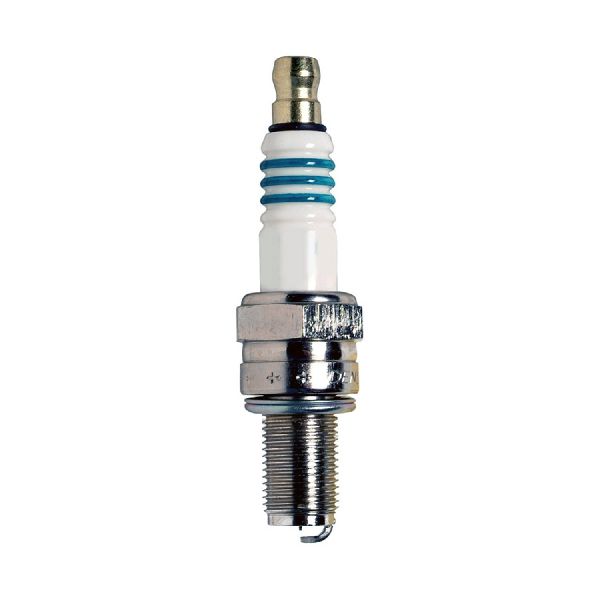
- The most common replacement spark plug is the NGK CR7E or the iridium upgrade CR7EIX.
- Spark plug replacement is a very simple and fast maintenance task you can do yourself.
- Always check the spark plug gap before installation; it should be around 0.7mm-0.8mm.
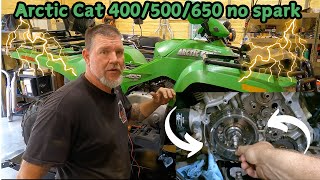
- If a new plug doesn't fix a 'no spark' issue, the flywheel magnets are a known common point of failure on this model.
Signs of a Failing Spark Plug
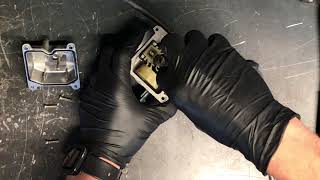
A spark plug is a regular maintenance item, but sometimes it fails sooner than expected. If you notice your Arctic Cat 400 is hard to start, especially when cold 🎬 See this guide if a new plug doesn't fix starting issues, a worn spark plug could be the cause. Other signs include rough idling, engine misfires (a popping or sputtering sound), reduced power, and worse fuel economy. A visual inspection of the old plug can also tell you a lot; if the electrode is worn down, or if it's covered in black soot or oily residue, it's time for a replacement.
A Note on "No Spark" Issues
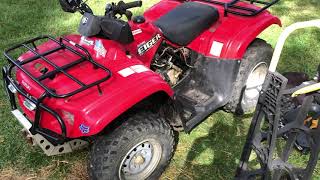
While a bad spark plug is a common cause of ignition problems, the 1998-2007 Arctic Cat 400 4x4 (which shares an engine with the Suzuki Eiger 🎬 Watch: Troubleshooting ignition and spark on the Suzuki Eiger engine) has a known issue with flywheel magnets. The adhesive holding the magnets inside the flywheel can fail, causing them to shift or come loose entirely. This results in an intermittent or complete loss of spark that a new plug won't fix. If you have a persistent "no spark" problem, investigating the flywheel and stator 🎬 Watch: How to diagnose this common no spark issue is a common next step for these models.
Choosing the Right Aftermarket Spark Plug
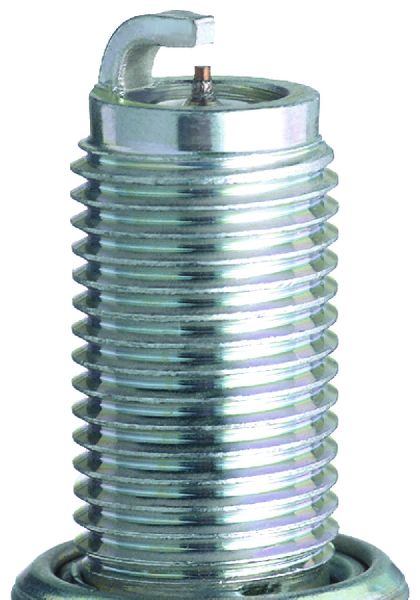
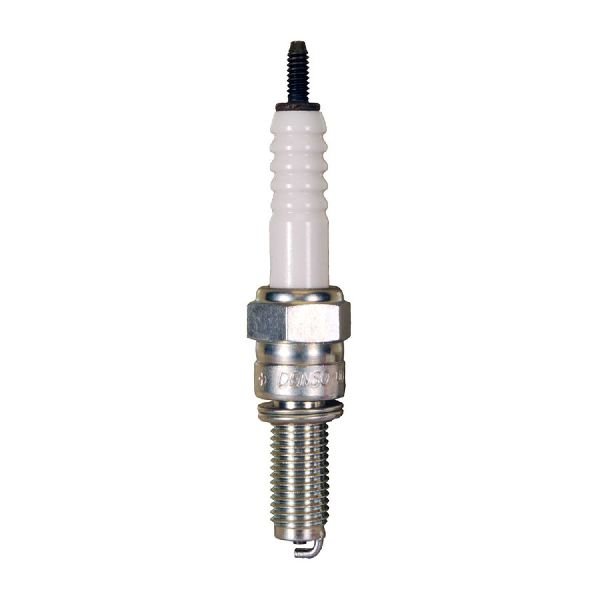
For the 1998-2007 Arctic Cat 400 4x4, the most commonly recommended spark plug is the NGK CR7E (or CR8E for the 1998 model). Aftermarket brands like NGK, Denso, and Champion offer excellent quality, often meeting or exceeding OEM specifications. NGK is widely considered the original equipment (OEM) supplier for many Japanese engines, including the Suzuki-built engine in this ATV.
Brand Tiers and Quality
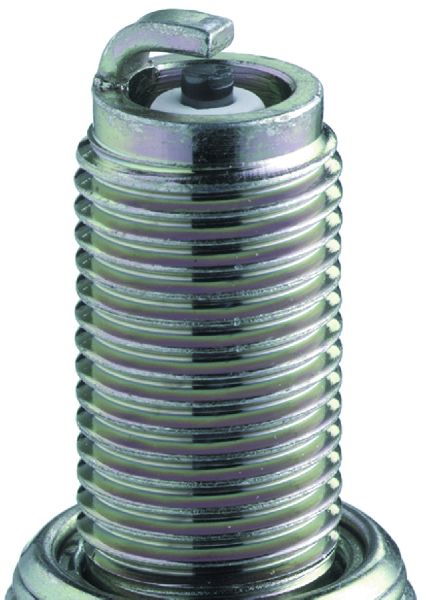
- Standard Copper (Good): Brands like NGK and Champion offer standard copper plugs (like the NGK CR7E). These are affordable and provide reliable performance. They are the workhorse plug and a great choice for general use, but they have the shortest lifespan.
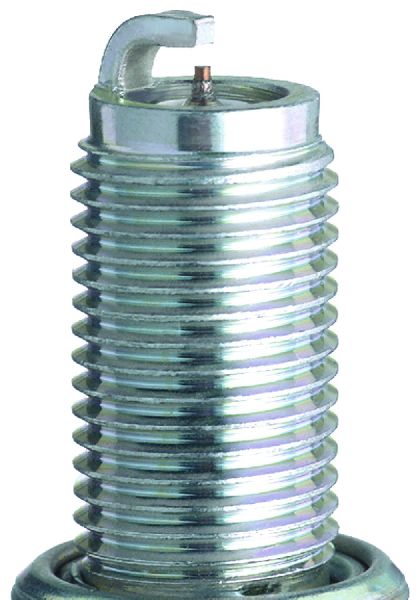
- Iridium (Better/Best): Plugs like the NGK CR7EIX use an iridium tip. Iridium is a much harder and more durable metal than copper. This allows for a very fine center electrode, which creates a more focused and consistent spark. The benefits include easier starting, smoother idling, and a much longer service life. For a few extra dollars, an iridium plug is a worthwhile upgrade.
Check the Gap: No matter which plug you buy, always check the spark plug gap before installation. For the NGK CR7E, the recommended gap is typically 0.7mm - 0.8mm. Use a feeler gauge or gap tool to verify it's correct for your specific year and model.
Aftermarket Spark Plug Cost for 1998-2007 Arctic Cat 400 4x4
| Plug Type | Estimated Cost |
|---|---|
| New Aftermarket (Standard Copper) | $10 - $20 |
| New Aftermarket (Iridium) | $20 - $58 |
| Shop Labor for Installation | $25 - $50 |
Frequently Asked Questions
How often should I replace the spark plug on my Arctic Cat 400?
It's good practice to inspect your spark plug annually and replace it as part of your regular maintenance schedule, or every 100-200 hours of use. A standard copper plug may need replacing more often, while an iridium plug can last significantly longer.
Is an expensive iridium spark plug worth it for my ATV?
For many riders, yes. An iridium plug like the NGK CR7EIX offers a longer lifespan, better fouling resistance, and more consistent starting. Given the small price difference, it's often a good investment for reliability, especially if you ride in cold weather or demanding conditions.
What's the difference between an NGK CR7E and CR8E?
The number in the spark plug code (7 or 8) indicates the heat range. A lower number is a "hotter" plug, while a higher number is a "colder" plug. Some sources specify the CR8E for the 1998 model year and the CR7E for 1999-2007 models. Always consult your owner's manual or a reliable parts finder to confirm the correct heat range for your specific ATV.
Do I need to use anti-seize on the new spark plug?
This is a topic of debate. NGK, a major manufacturer, advises against using anti-seize on their modern plugs because the trivalent plating already provides anti-seizing and anti-corrosion properties. Adding lubricant can lead to over-torquing. If you do choose to use it, apply only a very small amount to the threads, avoiding the electrode.
Helpful Videos
Technical Specifications
OEM Part Numbers: 3430-053 3430-054 32102-38F01 3430-071
Recommended Plug: NGK CR7E (Standard) or CR7EIX (Iridium). Thread Size: 10mm. Hex Size: 16mm (5/8"). Gap: 0.7mm - 0.8mm.
We Have This Part in Stock

The information in this article is provided for general reference and educational purposes only. Vehicle specifications, procedures, and part compatibility can vary by production date, trim level, and region. Always consult your vehicle's factory service manual and verify part numbers before purchasing or performing repairs. Safety-critical components such as airbags, seat belts, and braking systems should be installed by a qualified professional.
- Arctic Cat 400 4x4: