

Engine Camshaft Position Sensor Guide for 1998-2006 Toyota Sienna
Fix stalling, hard starts, and Check Engine lights on your Sienna by understanding and choosing the right camshaft position sensor.
- A failing camshaft sensor is a common cause of stalling, hard starts, and a P0340 code on 1998-2006 Siennas.
- Your V6 Sienna has two sensors; the front one (Bank 2) is easy to replace, while the rear one (Bank 1) is more difficult but manageable for a DIYer.
- Denso is the original manufacturer (OEM) and is the most recommended brand for reliability and performance.
- Driving with a bad sensor can be unsafe as the vehicle may stall in traffic without warning.
Is Your Sienna Stalling or Hard to Start?

A failing camshaft position sensor is a common reason for a 1998-2006 Toyota Sienna to run poorly. When this sensor starts to go bad, it can't send a reliable signal to the engine's computer. This can cause a range of problems from annoying to serious, including making the vehicle unsafe if it stalls in traffic. Because the V6 engine in these Siennas has two sensors, one for each cylinder bank, diagnosing the correct one is key.
Symptoms of a Bad Camshaft Position Sensor

If a camshaft position sensor is failing, your Sienna will likely let you know. Here are the most common signs:
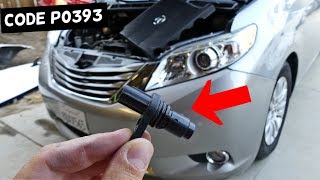
- Check Engine Light: This is often the first sign. A common trouble code is P0340, which points to 🎬 Watch a diagnostic walkthrough for the P0340 trouble code. a problem in the camshaft position sensor circuit.
- Difficulty Starting: The engine may crank for a long time before it starts, or it might not start at all.
- Stalling: The engine may suddenly shut off while driving, sometimes without warning. This can be a serious safety issue.
- Rough Idle and Poor Performance: You might notice the engine running rough, hesitating when you accelerate, or a general loss of power.
- Reduced Fuel Economy: When the computer can't time the engine correctly, it may use more fuel than necessary.
Generation and Engine Differences
The 1998-2006 Sienna spans two generations with different engines. It's important to know which you have before ordering parts.
- 1998-2003 (1st Gen): Uses the 3.0L 1MZ-FE V6 engine.
- 2004-2006 (2nd Gen): Uses the 3.3L 3MZ-FE V6 engine.
While the sensors may look similar and even share part numbers, always verify the fitment for your specific year and engine. The OEM part number 90919-05026 is listed for both the 1MZ-FE and 3MZ-FE engines, and has been superseded by 90080-19014.
Choosing the Right Aftermarket Sensor

When it comes to engine sensors for a Toyota, quality matters. A cheap, poorly made sensor can fail quickly or provide inaccurate readings, causing the same problems you were trying to fix. Here’s a breakdown of your options.
Tier 1: OEM & OEM-Equivalent Brands
These are your safest bet for reliability and long-term performance. They are manufactured to the same standards as the original part that came in your Sienna.
- Denso: Denso is the original equipment manufacturer (OEM) for many Toyota parts, including sensors. Choosing a Denso-branded sensor from an aftermarket supplier is often the same quality as the dealer part, but at a lower cost.
- NGK/NTK: Another top-tier Japanese brand known for making high-quality OEM sensors.
Tier 2: Reputable Aftermarket Brands
These brands have a long history of making reliable aftermarket parts and are a good balance of quality and price.
- Delphi: A well-respected global parts manufacturer with a reputation for quality electronics.
- Standard Motor Products (SMP): A long-standing brand offering parts that meet or exceed OEM specifications.
- Hitachi: Another Japanese manufacturer that produces quality electronic components.
- Beck Arnley: This brand sources parts from various manufacturers, often including OEM suppliers, to match the original part's origin.
Tier 3: Economy Brands
These brands offer the lowest prices but can be a gamble on quality and longevity. While they may work, some owners report higher failure rates. Consider these if you are on a tight budget, but be aware that you might be replacing the part again sooner than you'd like.
- Dorman: Known for making a wide variety of replacement parts, but sensor quality can be inconsistent.
- URO Parts, Walker Products, Spectra, etc.: These are typically budget-focused options.
Pro Tip: For a critical sensor like this, spending a little more on a Denso or other OEM-equivalent brand is highly recommended. It can save you from the headache of a repeat repair and ensure your Sienna runs reliably.
Expected Costs
| Part Type | Estimated Cost |
|---|---|
| New OEM (Dealer) | $70 - $150 per sensor |
| New Aftermarket | $22 - $112 per sensor |
| Shop Labor | $60 - $120 |
Frequently Asked Questions (FAQ)

How many camshaft sensors does my 1998-2006 Sienna have?
Your V6 Sienna has two camshaft position sensors. One is for Bank 1 (the cylinder head closer to the firewall) and the other is for Bank 2 (the cylinder head closer to the radiator).
🎬 Video guide for locating and replacing the Bank 2 sensor.Can I replace the camshaft sensor myself?
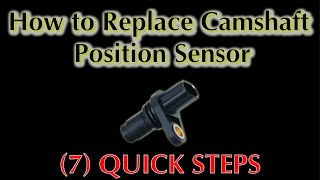
Yes, this is a DIY-friendly job for many owners. The sensors are usually held in by a single 10mm bolt and are located on the top of the valve covers. The Bank 2 sensor (front) is very easy to access. The Bank 1 sensor (rear) is tighter to reach but is possible without removing major components. The basic steps involve disconnecting the battery, unplugging the electrical connector, removing the bolt, and carefully twisting the old sensor out.
🎬 See these seven easy steps to replace your sensor.Should I replace both sensors at the same time?
It's not strictly necessary, but it can be a good preventative measure. Since both sensors are the same age, if one has failed, the other may not be far behind. If you are paying for labor, replacing both at once can save you money in the long run.
Are there any recalls for this part?
No, there are no specific recalls for the camshaft position sensor on the 1998-2006 Toyota Sienna. Always check the NHTSA website with your vehicle's VIN for the most up-to-date recall information.
What happens if I don't replace a bad sensor?
Continuing to drive with a faulty sensor can leave you stranded if the engine stalls and won't restart. It can also lead to poor fuel economy, rough running, and potentially damage other components like the catalytic converter over time due to an incorrect air/fuel mixture.
Helpful Videos

Technical Specifications
OEM Part Numbers: 90919-05026 90080-19014
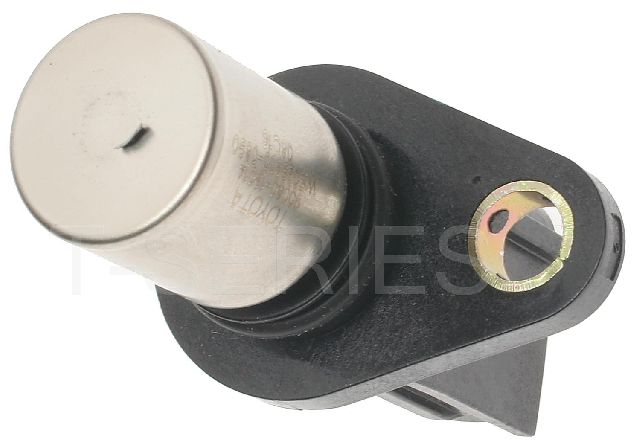
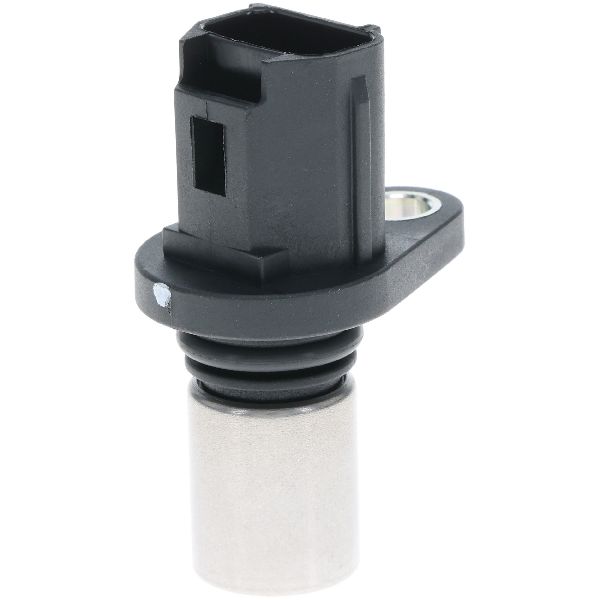
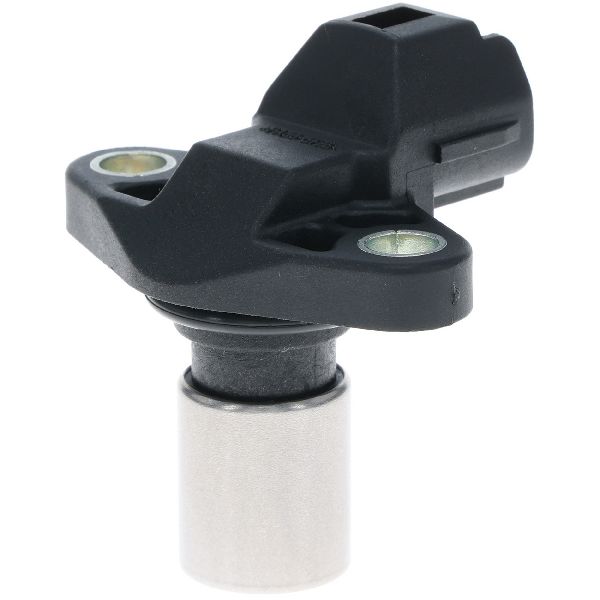
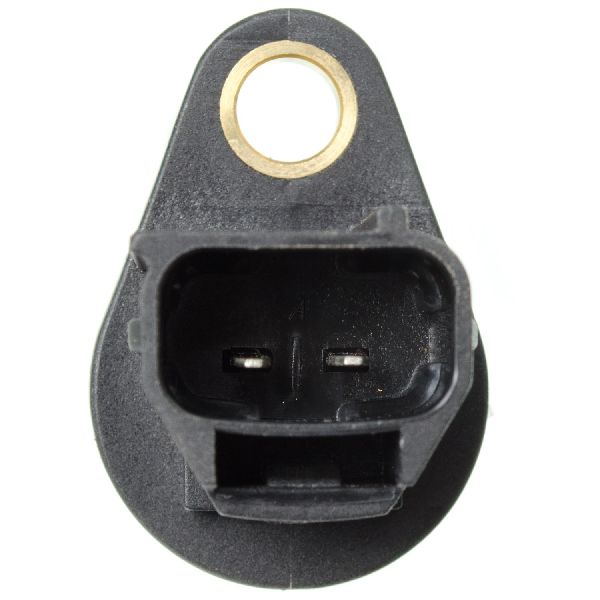
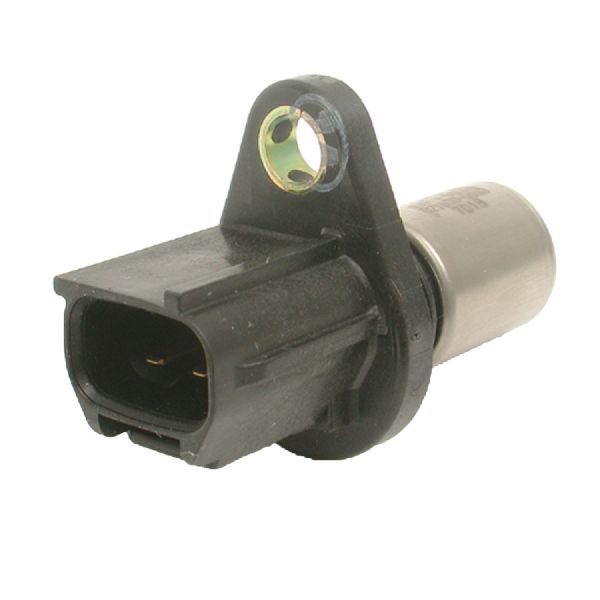
The V6 engines in the 1998-2006 Toyota Sienna (3.0L 1MZ-FE and 3.3L 3MZ-FE) use two 2-pin inductive camshaft position sensors. The original part number was 90919-05026, which has been superseded by 90080-19014. These sensors are located on the valve covers, one for each cylinder bank.
We Have This Part in Stock


The information in this article is provided for general reference and educational purposes only. Vehicle specifications, procedures, and part compatibility can vary by production date, trim level, and region. Always consult your vehicle's factory service manual and verify part numbers before purchasing or performing repairs. Safety-critical components such as airbags, seat belts, and braking systems should be installed by a qualified professional.
- Toyota Sienna: