

Understanding and Replacing the Starter in a 1998-2006 Toyota Camry
If your reliable Camry won't start, the starter might be the problem; here's how to diagnose the issue and choose the right part.
- Always test the battery and clean the terminals before deciding to replace the starter; many starting problems are battery-related.
- A single, loud click when trying to start the car is the most common symptom of a failed starter on a Camry.
- Denso is the original equipment manufacturer (OEM) and offers the highest quality aftermarket replacement for this vehicle.
- Replacing the starter is a DIY-friendly job for this Camry generation, often accessible from the top of the engine bay.
Is Your Camry's Starter Failing?

Before blaming the starter, it's critical to make sure your battery is not the problem. A weak or dead battery is the most common reason a car won't start. Use a voltmeter to check the battery; a healthy, fully charged battery should read around 12.6 volts when the car is off. Also, check for corroded battery terminals, as this can prevent power from reaching the starter. If the battery and its connections are good, listen carefully to the sounds the car makes when you try to start it.
First, Check the Battery
The most common cause of a no-start condition is a weak or dead battery. Rapid clicking when you turn the key almost always points to a battery issue, not a starter problem. A single, loud click, however, is a classic symptom of a failed starter.
Common Failure Symptoms

When a starter begins to fail, it usually provides clear warning signs. Recognizing these can help you diagnose the problem before you get stranded.
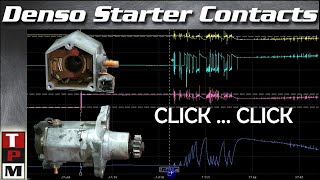
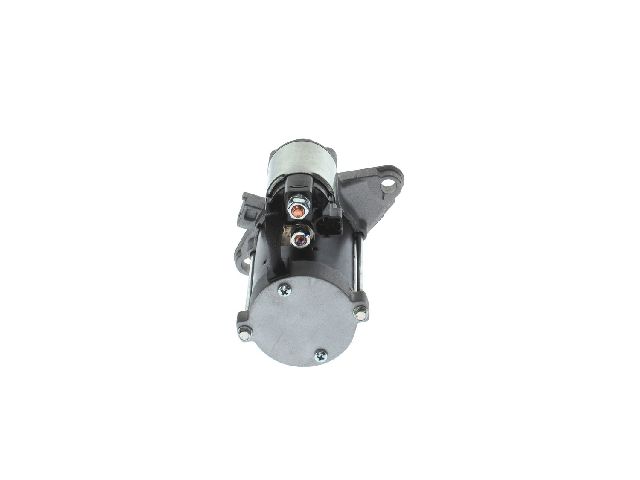
- Single, Loud Click: You turn the key, hear one solid click, but the engine doesn't turn over. This sound is the starter's solenoid engaging, but the motor itself isn't turning. This is a very common symptom of worn internal contacts or a failed starter motor.
- No Sound at All: If you turn the key and hear nothing, and you've already confirmed the battery is good, the issue could be the starter, the starter relay, or the ignition switch.
- Intermittent Starting: The car may start perfectly one day and then refuse to start the next. Sometimes, tapping the starter motor with a hammer or wrench can temporarily get it to work again, which strongly indicates a failing starter.
- Grinding or Whirring Noise: If you hear a grinding noise after the engine has started, it could mean the starter gear is not disengaging from the engine's flywheel correctly. A high-pitched whirring sound without the engine cranking can mean the starter gear is spinning but not engaging the flywheel at all.
Choosing the Right Aftermarket Starter

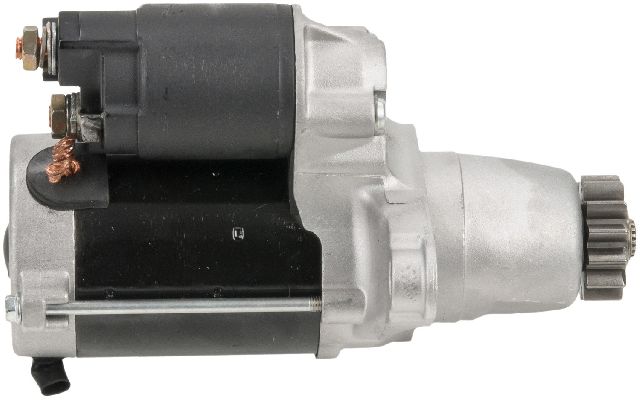
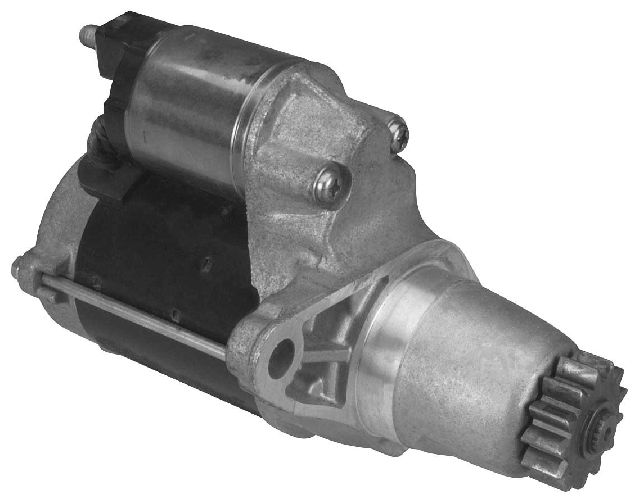
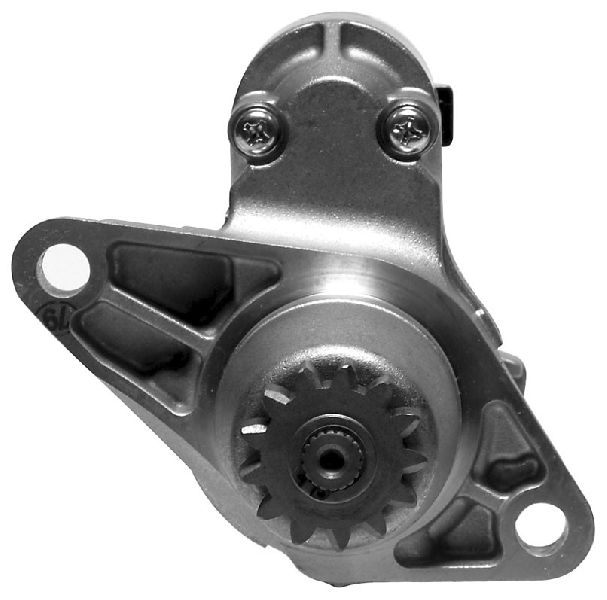
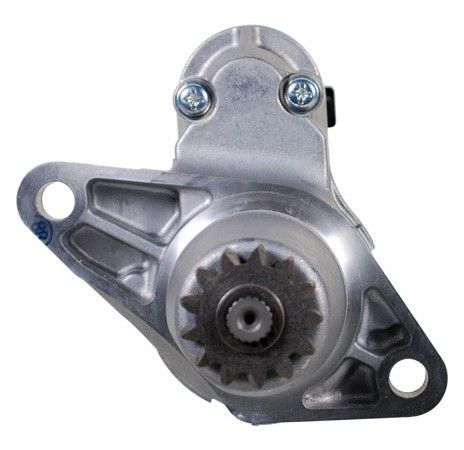
For the 1998-2006 Toyota Camry, the original equipment (OEM) starter was made by Denso. These are known for their exceptional longevity. When choosing a new aftermarket part, you have several quality tiers to consider.
- Tier 1 (OEM Equivalent): A new starter from Denso is the top choice. It is built to the same standards as the original part that came with your car. Bosch is another highly reputable brand that manufactures starters to meet or exceed OEM specifications and is considered a reliable option.
- Tier 2 (Quality Aftermarket): Brands like Remy and WAI Global offer a balance of quality and value. Remy is a well-known brand for starters and alternators with generally positive feedback. WAI Global is often considered a good new (not remanufactured) option.
- Tier 3 (Budget-Friendly): Brands such as BBB Industries offer remanufactured units that are more budget-conscious. While they can be a cost-effective solution, some users report mixed experiences with the long-term reliability of remanufactured parts from various brands compared to new or OEM units.
Known Issues, Recalls, or TSBs
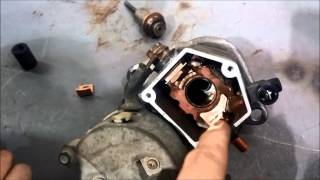
Searches for the 1998-2006 Toyota Camry did not reveal any specific recalls or widespread Technical Service Bulletins (TSBs) from Toyota or the NHTSA related to starter motor failure. The starter on this generation of Camry is generally considered a reliable component. The most common failure mode reported by owners is the wearing out of the internal solenoid contacts over time, which can sometimes be repaired on its own.
| Part Type | Estimated Cost |
|---|---|
| New Aftermarket Starter | $94.38 - $353.87 |
| Remanufactured Starter | $120 - $250 |
| New OEM (Dealer) Starter | $284 - $309+ |
| Shop Labor Cost | $154 - $226 |
Frequently Asked Questions (FAQ)

How do I know it's the starter and not the battery?
A fast, repetitive clicking sound when you turn the key usually means the battery is low on charge. A single, loud click typically points to a bad starter. If you can jump-start the car easily, the problem is likely your battery or alternator, not the starter.
Is replacing the starter a DIY-friendly job?
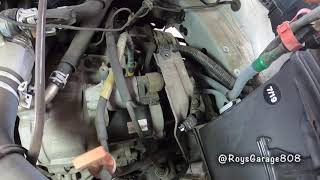
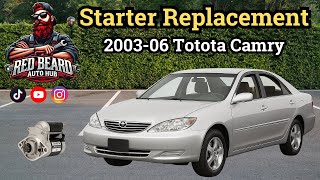
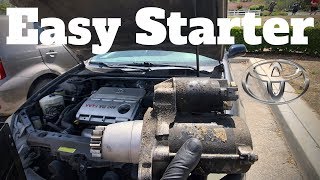
Yes, for many home mechanics, this is a manageable job. On most 4-cylinder and V6 models of this Camry generation, the starter is accessible from the top of the engine bay after removing the air filter housing. 🎬 See how to access and replace the V6 model starter. It is typically held on by two bolts. 🎬 Watch this step-by-step guide for replacing the 2.4L starter. Always disconnect the negative battery terminal before beginning any work.
Can I just replace the starter solenoid or contacts?
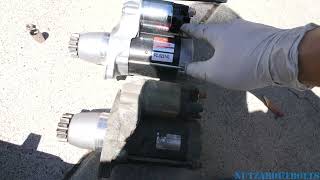
For the original Denso starters, it is often possible to replace just the internal copper contacts and plunger, which are common failure points. This can be a very cost-effective repair if the starter motor itself is still good. 🎬 Learn how to save money by replacing just the contacts. However, many newer aftermarket starters have sealed solenoid housings that cannot be easily repaired.
Should I buy a new or remanufactured starter?
A new starter, especially from a top-tier brand like Denso or Bosch, generally offers the best reliability and longevity. A quality remanufactured starter can be a good value, but quality can vary by brand. If choosing a remanufactured part, opt for one from a reputable supplier with a good warranty.
Helpful Videos
Technical Specifications
OEM Part Numbers: 28100-0A010 28100-20020 28100-28041 28100-28050 28100-28051
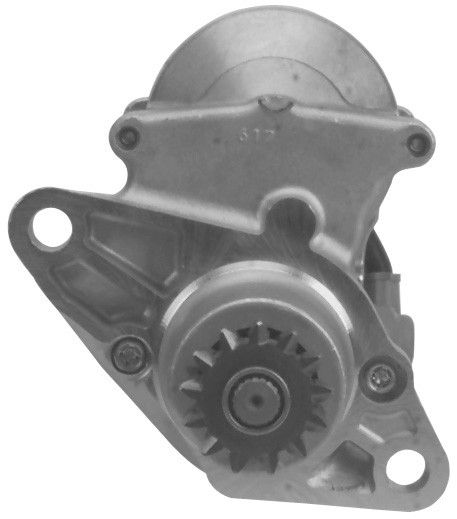
Voltage: 12V. Power Rating: 1.2kW to 1.6kW depending on engine (4-Cylinder vs V6). Rotation: Clockwise. Number of Teeth: 9 or 13 depending on specific part number and application.
We Have This Part in Stock

The information in this article is provided for general reference and educational purposes only. Vehicle specifications, procedures, and part compatibility can vary by production date, trim level, and region. Always consult your vehicle's factory service manual and verify part numbers before purchasing or performing repairs. Safety-critical components such as airbags, seat belts, and braking systems should be installed by a qualified professional.
- Toyota Camry: