

A Comprehensive Guide to the Starter for the 1998-2005 Buick LeSabre
Before you assume your starter is dead, read these vehicle-specific tips to avoid replacing the wrong part.
- Before buying a starter, check for a flashing 'Security' light; it's a very common issue on LeSabres that disables the starter.
- Rule out simple fixes first: test the battery, check the starter relay, and inspect the engine ground wire for a tight, clean connection.
- A single, loud click points to a bad starter, while rapid clicking almost always means a weak battery.
- Replacement is a feasible DIY job that requires accessing the starter from under the car.
Is Your LeSabre's Starter Actually Bad? Check This First!

STOP: Your 'Bad Starter' Might Be a Different Problem
The 1998-2005 Buick LeSabre has several common issues that perfectly mimic a failed starter. Checking these first can save you hundreds of dollars.
- Check the 'Security' Light: Turn the key to the 'ON' position (without starting) and look at the dashboard. If the 'Security' light is flashing, the car's anti-theft system (GM Pass-Key) has likely failed and disabled the starter. This is a very common issue and replacing the starter will not fix it. The problem is often with wiring in the ignition switch or steering column.
- Check the Battery: A rapid clicking sound when you turn the key almost always points to a weak or dead battery, not a bad starter. Remember, the battery in your LeSabre is located under the rear passenger seat cushion.
- Check the Ground Wire: A loose or corroded engine ground wire is a frequent cause of a no-start or single-click condition on these cars. 🎬 See what happens when your Buick only clicks Before replacing the starter, locate the main ground strap on the engine block near the starter and ensure it is clean and tight.
- Check the Starter Relay: A faulty starter relay in the under-hood fuse box can also prevent the car from starting. You can test it by swapping the starter relay with an identical relay from the same fuse box (like the one for the horn or cooling fan).
Symptoms of a Failing Starter

If you've ruled out the issues above, your starter may be the culprit. Here are the classic signs:
- Single Loud Click, Then Nothing: You turn the key and hear one solid 'CLACK' from the engine bay, but the engine doesn't turn over. This usually means the starter's solenoid is engaging, but the motor itself has failed.
- Slow, Labored Cranking: The engine turns over very slowly, like the battery is weak, even when you know the battery is fully charged. This indicates the starter is worn out and drawing excessive power.
- Grinding or Whirring Noise: A loud grinding sound during or after cranking can mean the starter gear is damaged or not meshing properly with the engine's flywheel. A high-pitched whirring sound means the starter motor is spinning but not engaging the engine at all.
- No Sound at All: Complete silence when you turn the key (but the dash lights work) can point to a dead starter, a failed solenoid, or the security system issue mentioned earlier.
- Smoke or Burning Smell: If you see or smell smoke coming from the engine area when trying to start the car, stop immediately. This can be caused by an overheating starter motor due to a short circuit.
Choosing the Right Aftermarket Starter

For a vehicle like the 1998-2005 LeSabre, a new aftermarket starter offers excellent value. OEM parts are often expensive and may not be readily available. Remanufactured parts can be a gamble on quality, while a new unit from a reputable brand provides reliability and a fresh warranty. Here’s a look at the brands available:
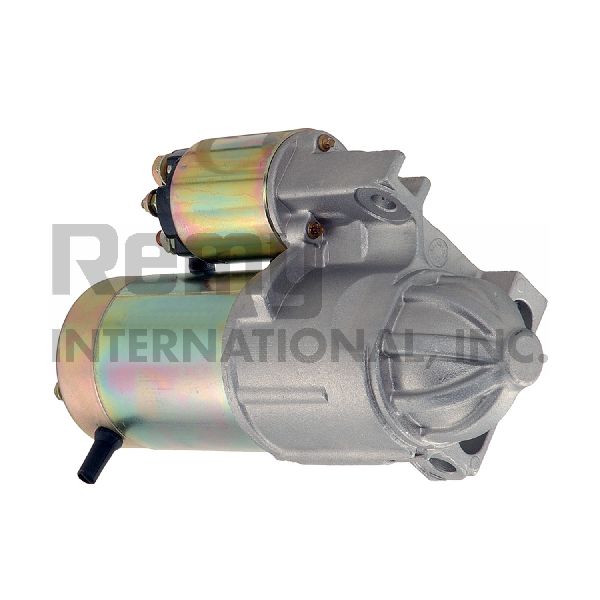
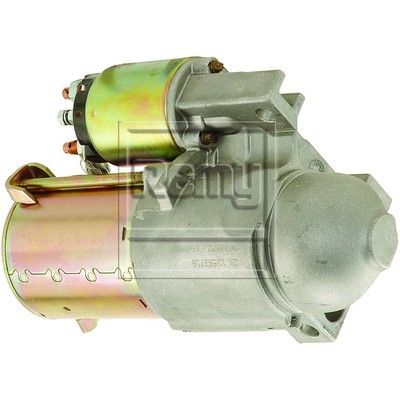
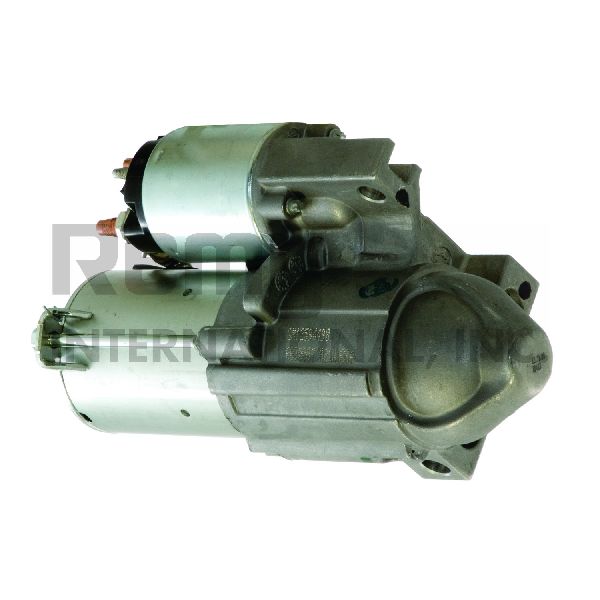
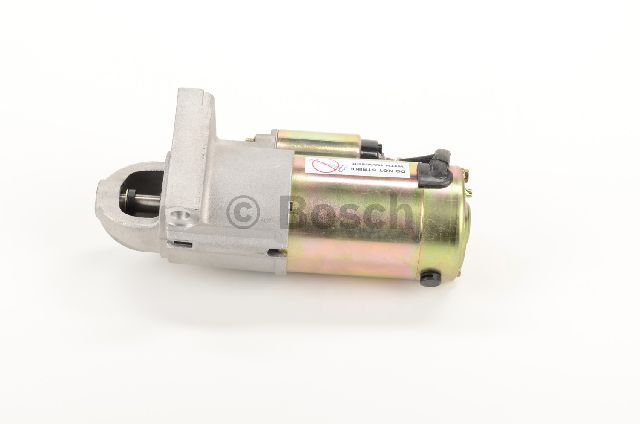
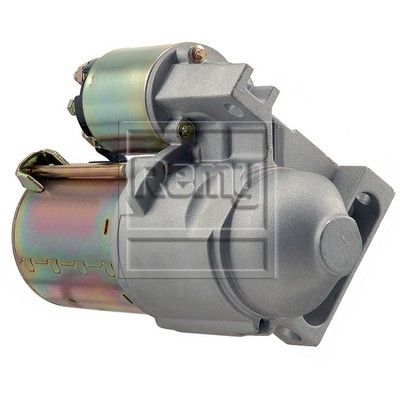
- Premium Brands (Bosch, Remy): Bosch and Remy (also known as Delco-Remy) are top-tier aftermarket manufacturers, often producing parts that meet or exceed original equipment (OE) specifications. These starters are built for durability and performance, making them a great choice if you plan to keep your LeSabre for a long time.
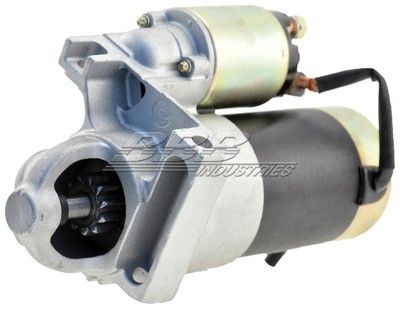
- Standard/Value Brands (WAI Global, BBB Industries): These brands offer a solid balance of quality and affordability. They are a reliable choice for a daily driver and provide a significant cost saving over premium or OEM parts while still being a dependable new component.
Pro Tip: New vs. Remanufactured
While remanufactured starters are available, their quality can be inconsistent. For a critical component like a starter, choosing a 100% new unit is often the safer bet. New starters use all-new components, eliminating the risk of a hidden failure from a recycled part and typically come with a better warranty.
Starter Replacement Overview

Replacing the starter on a LeSabre with the 3.8L V6 is a manageable DIY job for someone with the right tools and safety precautions. The starter is located on the front of the engine, accessible from underneath the vehicle.
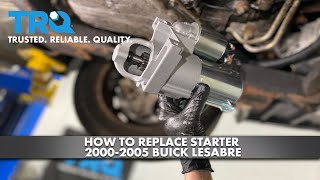
🎬 Watch this step-by-step 3800 engine starter replacement guideThe basic steps involve safely jacking up the car, disconnecting the battery (under the back seat), removing a plastic splash shield and sometimes a flywheel inspection cover, unbolting the two electrical wires from the starter solenoid, and finally removing the two main mounting bolts that hold the starter to the transmission. Access can be tight, but it does not typically require removing other major components.
| Item | Estimated Cost |
|---|---|
| New Aftermarket Starter | $99 - $248 |
| Shop Labor | $97 - $143 |
| Total Professional Replacement | $196 - $391 (plus taxes/fees) |
Known Issues & Bulletins
A Technical Service Bulletin (TSB) was issued for a condition where the starter pinion gear can become loose and make a rattling sound against the flywheel while the engine is running, especially during low-speed turns. The official fix is to replace the starter motor. Another TSB from 2004 simply notes a potential "no crank, no start" condition without providing extensive detail. No safety recalls have been issued for the starter motor itself on this generation of LeSabre.
Frequently Asked Questions
Is replacing the LeSabre starter a good DIY job?
Yes, if you have experience working under a car and a good set of tools (including a jack and jack stands), this is a very doable DIY project. The process is straightforward: disconnect the battery, remove a shield, two wires, and two bolts. It typically takes 1.5 to 2.5 hours for a first-timer.
How do I know for sure it's the starter and not the battery?
A bad battery usually causes a rapid clicking sound and dimming lights when you try to start the car. A bad starter typically causes a single, loud click or no sound at all, while the lights and radio will work fine. The best way to be sure is to have your battery tested at an auto parts store.
What are the two bolts that hold the starter on?
The starter is held to the transmission bellhousing by two 15mm bolts. One is typically shorter than the other. They are both accessed from underneath the vehicle.
Why is my 'Security' light flashing and the car won't start?
A flashing 'Security' light means the Pass-Key anti-theft system has been triggered and has disabled the starter. This is not a starter problem. It's a common failure in the ignition system, often due to broken wires in the steering column 🎬 Watch: How to fix a flashing security light no-start that read the chip in your key. You will need to address the security system to fix the no-start condition.
Helpful Videos
Technical Specifications
OEM Part Numbers: 10465523 10465558 19136235 9000841 9000863 9000889
Engine: 3.8L V6 (3800 Series II), Voltage: 12V, Power Output: 1.7kW, Rotation: Clockwise, Number of Teeth: 9
We Have This Part in Stock

The information in this article is provided for general reference and educational purposes only. Vehicle specifications, procedures, and part compatibility can vary by production date, trim level, and region. Always consult your vehicle's factory service manual and verify part numbers before purchasing or performing repairs. Safety-critical components such as airbags, seat belts, and braking systems should be installed by a qualified professional.
- Buick LeSabre: