

Spark Plug Replacement Guide for the 1998-2004 Toyota Corolla
Keep your reliable Corolla running smoothly with the right set of new spark plugs.
- The 1998-2004 Corolla is a very easy vehicle for a DIY spark plug replacement, requiring basic tools.
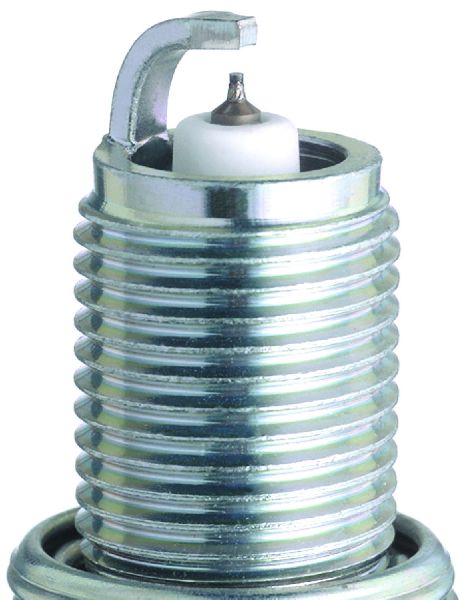
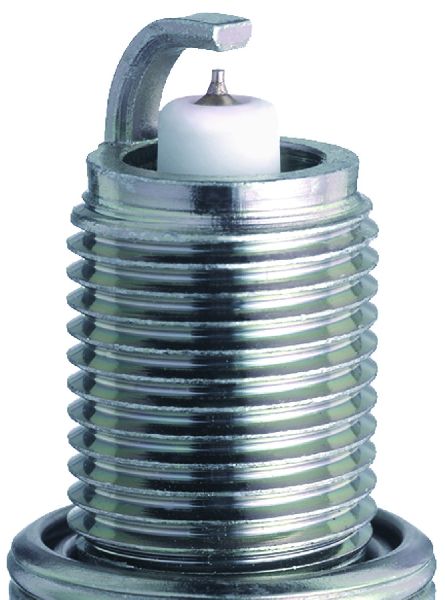
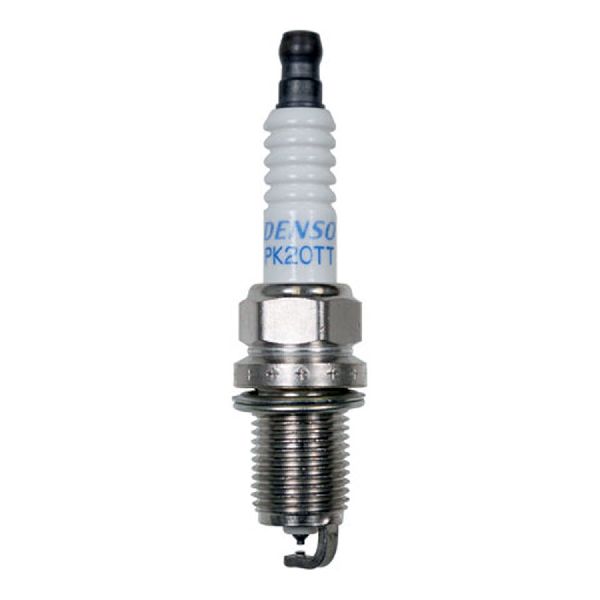
- For best results and longevity, use Iridium spark plugs from OEM brands like Denso or NGK.
- Symptoms of failure include rough idle, poor acceleration, and reduced gas mileage.
- No major recalls or TSBs exist for spark plug failure on this model; it's a standard maintenance item.
Signs It's Time for New Spark Plugs

When spark plugs start to fail in your Corolla, your car will give you signs. Ignoring them can lead to poor performance and potentially bigger problems down the road. Here are the most common symptoms:
- Rough Idling: Instead of a smooth, steady engine sound when you're stopped, you might feel vibrations or hear a rough, sputtering noise. This happens when a plug isn't firing consistently.
- Trouble Starting: Worn plugs can have a hard time creating the initial spark needed to start the engine, especially in cold weather.
- Poor Acceleration: If your Corolla feels sluggish or hesitates when you press the gas, it could be due to weak sparks from old plugs.
- Reduced Fuel Economy: When plugs don't ignite the fuel mixture efficiently, your engine has to work harder, and you'll notice you're filling up the gas tank more often.
- Engine Misfires: A misfire is when a cylinder fails to ignite the fuel mixture at the right time. You might feel this as a sudden jerk or stutter from the engine while driving. This will often trigger the Check Engine Light with codes like P0300, P0301, P0302, P0303, or P0304. 🎬 Watch: How to diagnose a misfire on your 2003 Corolla.
Choosing the Right Aftermarket Spark Plugs

Toyota originally equipped these Corollas with high-quality spark plugs, often from Denso or NGK, which are considered Original Equipment Manufacturers (OEM). When choosing an aftermarket replacement, you have several options that can meet or even exceed OEM quality. The key is to pick a reputable brand and the right type of plug for your needs.
Aftermarket Brand Tiers for 1998-2004 Corolla
| Tier | Brands | Description & Quality |
|---|---|---|
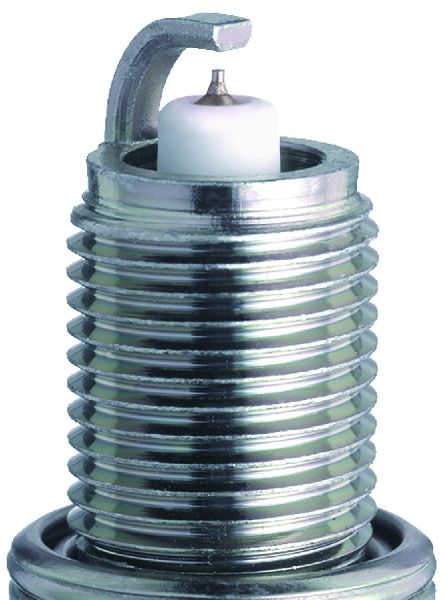
| OEM-Equivalent / Premium | Denso, NGK | Both Denso and NGK are OEM suppliers for Toyota. Their Iridium and Platinum plugs (like NGK Iridium IX or Denso Iridium TT) offer the best performance, longevity, and reliability. They are a direct replacement and often considered an upgrade over the original standard plugs. |
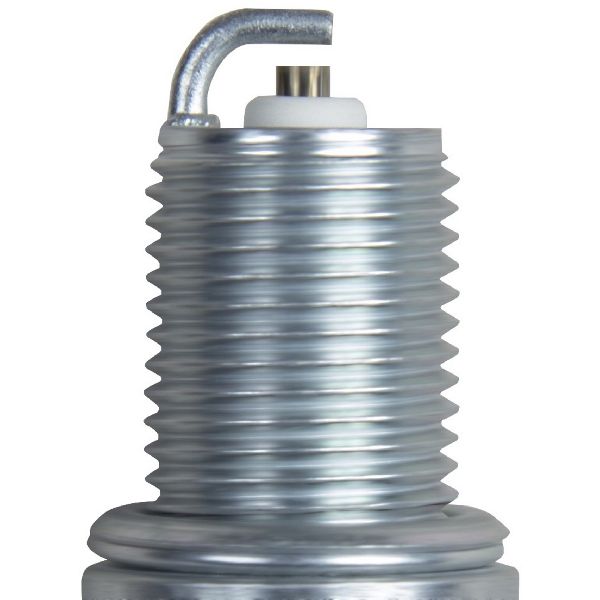
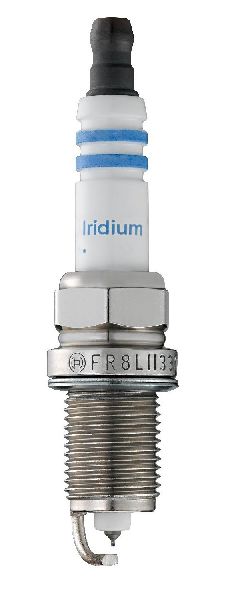
| Quality Aftermarket | Bosch, Champion | These brands offer quality platinum and iridium plugs that are a good alternative to OEM. They provide reliable performance and are a solid choice for daily driving. Ensure you select the model specified for your Corolla. |
| Standard / Budget | Autolite, ACDelco | These brands provide basic copper or platinum plugs that get the job done. While they are more affordable, they generally have a shorter service life than iridium plugs and may not offer the same level of performance. They are a viable option if you are on a tight budget. |
| Performance-Oriented | Accel, MSD | These brands are typically geared more towards high-performance or modified engines. For a stock 1998-2004 Corolla, they are generally not necessary and may not provide any noticeable benefit over a quality OEM-equivalent plug. Sticking with Denso or NGK is often the most reliable choice. |
A Note on Plug Types
The 1998-2004 Corolla's 1ZZ-FE engine works best with either dual-electrode standard plugs or modern single-electrode Iridium/Platinum plugs. Iridium plugs, like the NGK Iridium IX or Denso Iridium TT, offer a longer life (often 40,000-60,000 miles or more) and more consistent performance compared to standard copper plugs. For the reliability these Corollas are known for, investing in a quality set of Iridium plugs from Denso or NGK is highly recommended.
Known Issues, Recalls, or TSBs

Searches for recalls and Technical Service Bulletins (TSBs) for the 1998-2004 Toyota Corolla did not reveal any specific issues directly related to the spark plugs themselves. Most recalls for this generation pertain to airbags. Some TSBs mention spark plugs in the context of diagnosing engine misfires, which could lead to piston damage if left unaddressed for a long time, but this is not a fault of the plugs themselves. The 1ZZ-FE engine in this Corolla is known for its reliability, and standard spark plug maintenance is usually straightforward.
Installation Tip
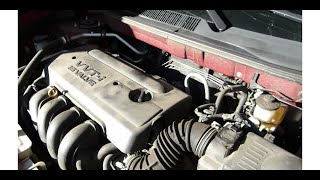
Replacing the spark plugs on this Corolla is a very DIY-friendly job. The four spark plugs are easily accessible on top of the engine after removing a plastic cover and the individual ignition coils. You will need a 10mm socket, a 5/8" spark plug socket, and a torque wrench. The correct torque specification is 13 ft-lbs. Do not overtighten the plugs, as this can damage the engine's cylinder head. 🎬 See this detailed spark plug replacement walkthrough for 1998-2002 models. Modern NGK and Denso plugs often have a special trivalent plating and do not require anti-seize compound.
Frequently Asked Questions (FAQ)
What is the best spark plug for a 1998-2004 Toyota Corolla?
For the best balance of performance, longevity, and value, NGK Iridium IX (BKR5EIX-11) or Denso Iridium TT (IK16TT) plugs are highly recommended. They are OEM-quality brands and provide excellent, reliable ignition for the 1.8L 1ZZ-FE engine.
Do I need to gap the spark plugs for my Corolla?
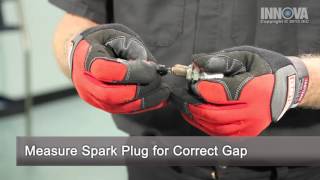
While premium Iridium plugs from NGK and Denso usually come pre-gapped, it is always a good practice to verify the gap before installation. The correct spark plug gap for the 1998-2004 Corolla is 1.1 mm (0.043 inches). Be very careful when checking the gap on an iridium plug, as the fine-wire electrode can be easily damaged.
🎬 Watch: A quick guide to changing your Corolla spark plugs.How often should I replace the spark plugs?
If you use standard copper plugs, they should be changed every 30,000 miles. If you upgrade to Iridium or Platinum plugs, you can extend that interval to 60,000 miles or even more, depending on the specific plug and your driving conditions. Check your owner's manual for Toyota's official recommendation.
Should I replace the ignition coils with the spark plugs?
It is not usually necessary to replace the ignition coils unless you have a specific problem, like a persistent misfire code for a single cylinder after changing the plugs. The original Denso coils on these Corollas are very durable. However, it is a good idea to inspect the coil boots for any cracks or damage when you have them out.
Helpful Videos
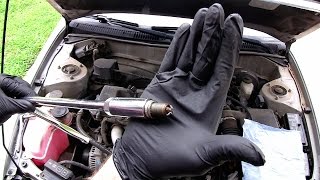
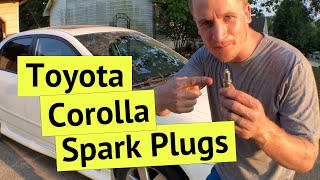
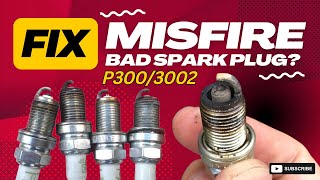
Technical Specifications
OEM Part Numbers: 90919-01192 90080-91145
Engine: 1.8L 4-Cylinder (1ZZ-FE) Quantity Required: 4 Spark Plug Socket Size: 5/8 inch Torque Spec: 13 ft-lbs (18 Nm) Spark Gap: 1.1 mm (0.043 in)
We Have This Part in Stock

The information in this article is provided for general reference and educational purposes only. Vehicle specifications, procedures, and part compatibility can vary by production date, trim level, and region. Always consult your vehicle's factory service manual and verify part numbers before purchasing or performing repairs. Safety-critical components such as airbags, seat belts, and braking systems should be installed by a qualified professional.
- Toyota Corolla: