

Choosing the Best Disc Brake Pad Set for Your 1998-2004 Blue Bird TC2000
Stopping a bus safely means choosing the right heavy-duty brake pads for the job.
- For a heavy vehicle like the TC2000, always choose severe-duty or fleet-rated brake pads from reputable brands like Bendix or Wagner.
- Proper installation is critical. The caliper sliding surfaces must be cleaned of all rust to prevent the new pads from sticking.
- It is strongly recommended to replace the brake rotors at the same time as the pads for optimal safety and performance.
- No active recalls for disc brake pads were found for this model year, but always verify with your VIN on the NHTSA website.
Symptoms of Worn Disc Brake Pads
Worn brake pads announce themselves in several ways. Ignoring these signs can lead to brake failure, which is extremely dangerous on a large vehicle like a bus. Be aware of the following symptoms:
- Squealing or Screeching: A high-pitched noise when you apply the brakes. This is often caused by a built-in wear indicator, which is a small metal tab that contacts the rotor when the pad material is low.
- Grinding Noises: A loud, harsh grinding or growling sound means the brake pad material has completely worn away. The metal backing plate of the pad is now grinding against the brake rotor, causing severe damage and significantly reducing stopping power.
- Increased Stopping Distance: If you notice the bus takes longer to stop than it used to, your brake pads may be worn out or contaminated.
- Spongy or Soft Brake Pedal: While this can indicate other issues like air in the hydraulic lines, it can also be a symptom of a failing brake system component.
- Brake Fade: During heavy or repeated braking (like on a long downhill grade), you may feel a loss of braking power. This happens when the pads overheat and can't create enough friction. Severe-duty pads are designed to resist this.
A Note on Safety for Bus Operators
The Blue Bird TC2000 is a commercial vehicle responsible for transporting passengers. Brake system maintenance is not an area for compromise. Always use high-quality, severe-duty rated parts. While economy parts exist, they are not recommended for this application due to the high temperatures and heavy loads involved in stopping a bus.
Choosing the Right Aftermarket Brake Pads
When shopping for aftermarket brake pads for your TC2000, you'll find several brands and material types. For a heavy-duty application, you should focus on pads specifically designed for commercial, fleet, or severe-duty use. These are typically semi-metallic pads, which offer excellent heat dissipation and stopping power under heavy loads.
Brand Quality Tiers
Based on their reputation in the heavy-duty and commercial vehicle market, the available brands can be grouped into tiers:
- Premium / Severe-Duty: These brands are well-regarded for their commercial vehicle lines and are an excellent choice for a TC2000. They are engineered for high heat, frequent stops, and long life. Brands in this category include Bendix (specifically their FleetMetlock line), Wagner Brakes (their Wagner SD line), and Powerstop (their Z36 Truck & Tow kits).
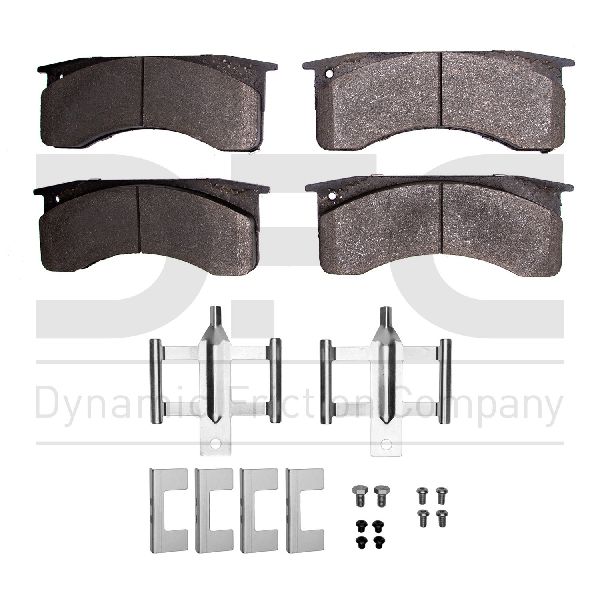
- Standard Replacement: These brands offer quality parts that meet or exceed original equipment standards. They are a reliable choice for general use. This tier includes brands like Centric and Dynamic Friction. While suitable, ensure the specific part you choose is rated for heavy-duty or fleet use.
Pro Tip: Installation is Key
During replacement, it is critical to clean all rust and debris from the caliper bracket where the pads slide. A buildup of rust can cause the new pads to bind, leading to uneven wear, noise, and reduced performance. Also, lubricate the caliper slide pins with a high-temperature silicone-based brake grease.
Known Issues, Recalls, and Service Bulletins
Searches of the National Highway Traffic Safety Administration (NHTSA) database did not reveal any specific recalls for the disc brake pads on the 1998-2004 Blue Bird TC2000. Other brake-related recalls for Blue Bird buses have involved components like brake light switches or parking brake pedals on different models or years, but not the pads themselves for this specific vehicle range. Always check for the most current information using your vehicle's VIN on the NHTSA website.
Frequently Asked Questions
Should I replace the brake rotors at the same time as the pads?
It is highly recommended. New pads need a smooth, flat surface to bed-in correctly. Installing new pads on old, worn, or grooved rotors can cause noise, vibration, and reduced performance. Given the safety-critical nature of a bus's braking system, replacing pads and rotors together is the best practice.
What are semi-metallic brake pads and why are they recommended?
Semi-metallic brake pads contain a high percentage of metal fibers (like steel, iron, or copper) mixed with other friction materials. For heavy vehicles like the TC2000, they are the preferred choice because they are very durable and excellent at transferring heat away from the rotor, which helps prevent brake fade under heavy loads. Their main trade-offs are that they can produce more dust and noise than ceramic pads.
How often should brake pads be replaced on a school bus?
There is no single answer, as it depends heavily on the bus's routes (city vs. highway), driving style, and load. A common interval for heavy-duty trucks and buses is every 30,000 to 70,000 miles, but frequent visual inspections are the most reliable method. Regular checks during routine maintenance are essential.
Is it difficult to replace the brake pads on a TC2000 myself?
For an experienced mechanic, the job is straightforward but physically demanding. The components are very heavy; the brake caliper alone can weigh around 50 pounds. The process involves removing the wheel, then removing a single bolt and a retaining pin to pivot the caliper upwards. You will need heavy-duty tools, jack stands capable of supporting the vehicle's weight, and the knowledge to work on hydraulic brake systems safely. If you are not experienced with heavy vehicle maintenance, this job should be left to a professional.
Technical Specifications
OEM Part Numbers: LK2644 (Semi-Metallic Pad Set) LK2646 (Non-Metallic Pad Set) LK2647 (Carbon-Metallic Pad Set)
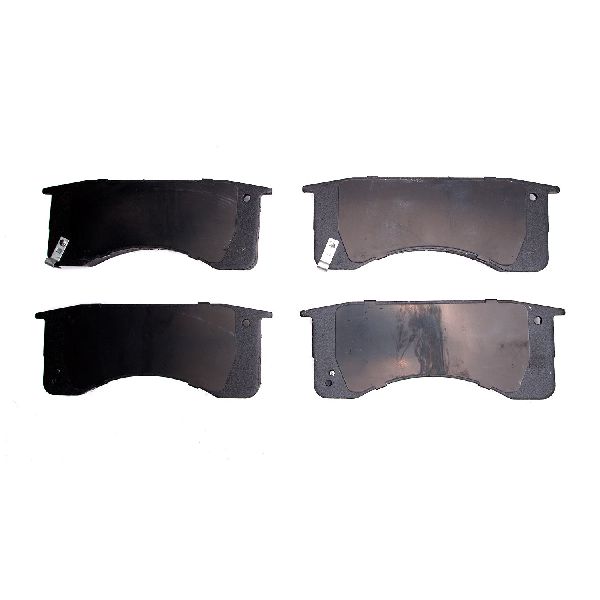
The 1998-2004 Blue Bird TC2000 uses a hydraulic disc brake system. Brake pads are typically secured within a floating caliper by a retainer spring and a guide pin. The system is non-ABS on most models of this era. Pad material should be semi-metallic for heavy-duty use.
We Have This Part in Stock


The information in this article is provided for general reference and educational purposes only. Vehicle specifications, procedures, and part compatibility can vary by production date, trim level, and region. Always consult your vehicle's factory service manual and verify part numbers before purchasing or performing repairs. Safety-critical components such as airbags, seat belts, and braking systems should be installed by a qualified professional.
- Blue Bird TC2000: