

Lexus ES300 Engine Coolant Temperature Sensor Guide (1998-2002)
Everything ES300 owners need to know about replacing a faulty engine coolant temperature sensor.
- For best results and reliability, choose an aftermarket sensor from an OEM supplier like Denso or NTK.
- A faulty ECT sensor is a common cause of a Check Engine Light with code P0115 on the ES300.
- Symptoms include poor fuel economy, hard starts, and potential overheating if the cooling fans fail to engage.
- This is an inexpensive and easy part to replace yourself with basic tools in under an hour.
Is Your Lexus ES300 Running Poorly? It Could Be the Coolant Temp Sensor
If your 1998-2002 Lexus ES300 is experiencing issues like a check engine light, poor fuel mileage, or difficulty starting, a faulty Engine Coolant Temperature (ECT) sensor is a common culprit. This sensor provides critical data to the engine computer, and when it fails, it can cause a wide range of performance problems. This article covers the symptoms, how to choose the right aftermarket replacement, and answers common questions for ES300 owners.
Symptoms of a Failing ECT Sensor
A bad ECT sensor can make the engine computer think the engine is colder or hotter than it actually is. This confusion leads to several noticeable symptoms:
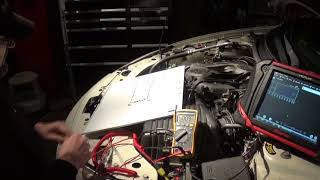
- Check Engine Light: This is the most common sign. The system will often trigger trouble codes like P0115 (ECT Circuit Malfunction), P0117 (Circuit Low Input), or P0118 (Circuit High Input). 🎬 See how to test and replace a sensor with these codes.
- Poor Fuel Economy: If the sensor incorrectly tells the computer the engine is cold, the system will inject too much fuel, causing the engine to run rich and waste gas.
- Hard Starting: A cold engine needs a richer fuel mixture to start easily. If the sensor is faulty, the engine may struggle to start, especially in cold weather.
- Black Smoke or Fuel Smell: A rich-running engine can produce black smoke from the exhaust and a noticeable smell of unburned gasoline.
- Overheating or Incorrect Fan Operation: The ECT sensor controls the radiator fans. A bad sensor might prevent them from turning on when needed, leading to overheating, or cause them to run all the time for no reason.
- Erratic Temperature Gauge: While often linked to a separate one-wire sending unit, the main ECT sensor's failure can sometimes cause the gauge on your dashboard to behave erratically or not move at all.
Choosing the Right Aftermarket Sensor: OEM vs. Aftermarket
When it comes to electronic sensors for your Lexus, quality matters. A cheap, inaccurate sensor can cause the same problems as a broken one. Here’s a breakdown of your options.
- Tier 1 (OEM Supplier): Denso & NTK
Denso is the original equipment manufacturer that made the sensor for your Lexus at the factory. Buying a Denso-branded sensor from an auto parts store gives you the exact same quality and performance as the dealer part, but usually at a lower cost. NTK (part of NGK) is another top-tier Japanese brand known for making high-quality sensors that meet or exceed OEM standards. For reliability, choosing one of these two brands is highly recommended. - Tier 2 (Reputable Aftermarket): Standard Motor Products, Delphi, Beck/Arnley
Brands like Standard Motor Products (SMP), Delphi, and Beck/Arnley are well-known in the aftermarket industry. They produce reliable parts that are a good balance between cost and quality, and are generally a safe bet if a Denso or NTK part is not available. - Tier 3 (Budget/Store Brands)
These are the cheapest options, often sold under store brands like Duralast or as unbranded parts online. While the low price is tempting, the quality control and accuracy can be inconsistent. You might get a good part, or you might be replacing it again in a year. For a critical sensor like the ECT, it's usually worth spending a little more for a trusted brand.
| Part Type | Estimated Price Range |
|---|---|
| New OEM (Dealer) | $65 - $100 |
| New Aftermarket (Denso/NTK) | $20 - $40 |
| New Aftermarket (Other Brands) | $10 - $25 |
| Used OEM | $5 - $15 |
| Shop Labor | $60 - $120 |
Frequently Asked Questions (FAQ)
Where is the ECT sensor located on a 1998-2002 ES300?
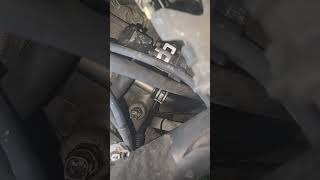
The main ECT sensor is located on the 1MZ-FE engine near the thermostat housing, where the upper radiator hose connects to the engine. It is a two-wire sensor screwed into a coolant passage. Be careful not to confuse it with the single-wire temperature sender for the gauge, which may be located nearby.
🎬 Watch this video to see the exact sensor locations.Can I replace this sensor myself?
Yes, this is a beginner-friendly DIY job. The difficulty is low, requiring only basic hand tools like a deep socket and ratchet. The process involves letting the engine cool completely, placing a pan to catch minor coolant spillage, unplugging the connector, unscrewing the old sensor, and quickly installing the new one. Always top off any lost coolant afterward.
Is a Denso sensor the same as the Lexus OEM part?
Yes, Denso is the original equipment manufacturer for Toyota and Lexus. A Denso sensor is functionally identical to the part you would buy from a Lexus dealership, just in a different box and at a better price.
What happens if I ignore a bad ECT sensor?
Ignoring a bad sensor will lead to continued poor engine performance, terrible fuel economy, and failed emissions tests. In a worst-case scenario, if the sensor fails to trigger the cooling fans, your engine could overheat, leading to severe and expensive damage like a blown head gasket.
Helpful Videos
Technical Specifications
OEM Part Numbers: 89422-35010 89422-20010 89422-30030
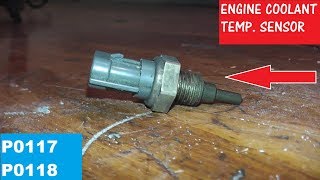
The correct sensor for the ECU is a two-terminal (two-wire) thermistor. Do not confuse it with the single-terminal sender for the dashboard gauge.

The information in this article is provided for general reference and educational purposes only. Vehicle specifications, procedures, and part compatibility can vary by production date, trim level, and region. Always consult your vehicle's factory service manual and verify part numbers before purchasing or performing repairs. Safety-critical components such as airbags, seat belts, and braking systems should be installed by a qualified professional.
- Lexus ES250: