

Honda CR-V Crankshaft Position Sensor: 1997-2015 Replacement Guide
Understanding the signs of a failing crankshaft sensor and how to choose the right replacement for your CR-V.
- A failing sensor can cause a no-start or stalling condition, leaving you stranded.
- For Honda electronics, using OEM or an OE-supplier brand like Denso, Hitachi, or NGK is highly recommended for reliability.
- The sensor location is different depending on your CR-V's generation (1997-2001, 2002-2006, 2007-2015).
- For 2015 models, check for connector corrosion as noted in TSB 16-011 before assuming the sensor is the only problem.
Is Your CR-V's Crankshaft Position Sensor Failing?

A bad crankshaft position sensor, also known as a CKP sensor, can cause problems that range from annoying to leaving you stranded. Because this sensor is so important for engine timing, a failure will almost always trigger the Check Engine Light and can make your CR-V difficult or impossible to drive. Common symptoms include the engine cranking but not starting, stalling unexpectedly, a rough idle, and poor acceleration.
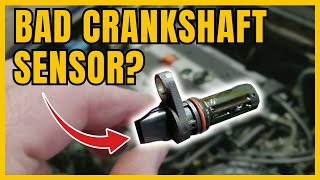
🎬 Watch: 6 common symptoms of a bad crankshaft sensor.Choosing the Right Aftermarket Sensor for Your CR-V

When it comes to critical electronic sensors for a Honda, quality matters. While there are many budget-friendly options, forum discussions and mechanic recommendations strongly suggest using either a genuine Honda part or one from an Original Equipment (OE) supplier. Cheap, unbranded sensors have a reputation for failing quickly, forcing you to do the job all over again.
Brand Quality Tiers for Honda CR-V
- Premium / OE Supplier: Brands like Denso, Hitachi, and NGK (NTK) are often the original manufacturers for Honda. Choosing one of these brands is the closest you can get to OEM quality and is the most recommended option for reliability.
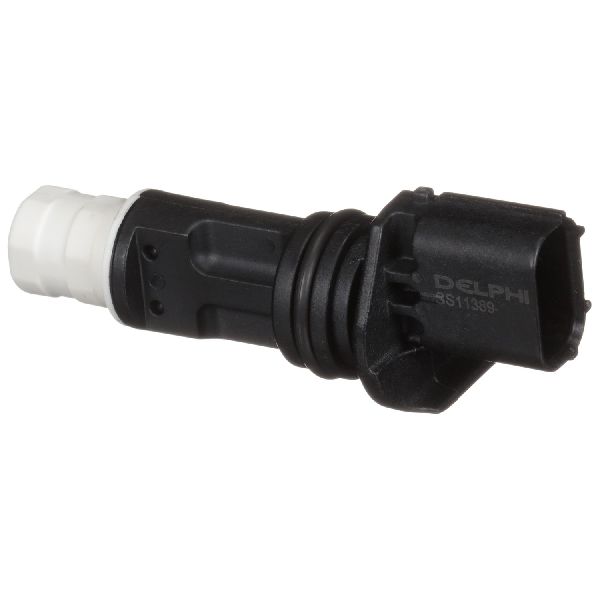
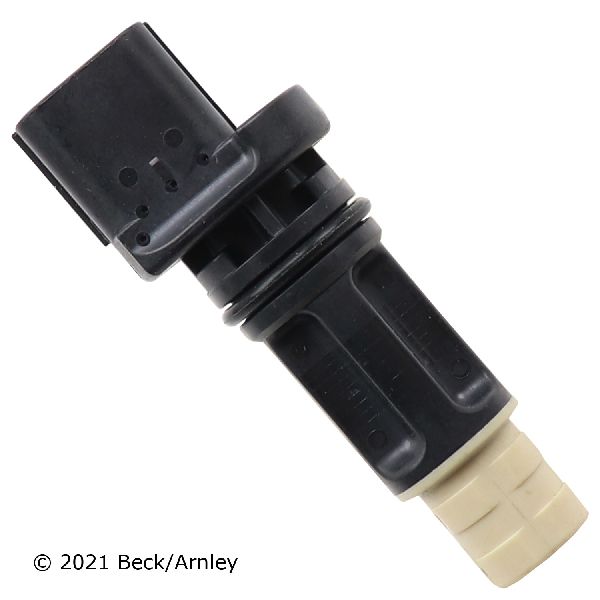
- Reputable Aftermarket: Brands such as Delphi, Beck Arnley, and Standard Ignition (SMP) are well-known in the aftermarket and generally offer good quality parts that are a step up from budget options.
- Economy Brands: Brands like Dorman, Walker Products, and other store brands offer the lowest price. However, for a critical sensor like this, the risk of premature failure can be higher. Some owners report issues with lower-tier electronic parts, making them a gamble.
Technical Service Bulletin (TSB) for 2015 CR-V
Honda issued TSB 16-011 for the 2015 CR-V (and other models). It notes that trouble codes P0335 and P0339 can be caused by corrosion between the sensor connector and the engine wiring harness. The official fix is to replace both the crankshaft sensor and the entire engine wire harness, which is a much larger job. Before replacing just the sensor on a 2015 model, it is crucial to inspect the connector for any signs of corrosion.
🎬 Watch: How to replace the sensor on a 2015 CR-V.Cost of Replacing a Crankshaft Position Sensor
The cost can vary depending on the brand you choose and whether you do the work yourself. Labor at a shop is typically estimated at around one hour.
| Part or Service | Estimated Cost |
|---|---|
| New OEM Sensor | $130 - $230 |
| New Aftermarket Sensor | $29 - $142 |
| Shop Labor | $100 - $200 |
Generation-Specific Sensor Location

The location of the CKP sensor varies depending on your CR-V's generation. Finding it is often the hardest part of the job.
- 1st Gen (1997-2001): The sensor is located on the back of the engine block, near the crank pulley and oil pump area.
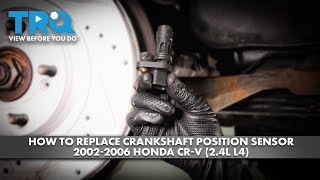
- 2nd Gen (2002-2006): The sensor is on the engine block, behind the crankshaft pulley. It is typically accessed by removing the passenger-side front wheel and a plastic splash shield. 🎬 See this step-by-step replacement guide for 2002-2006 models.
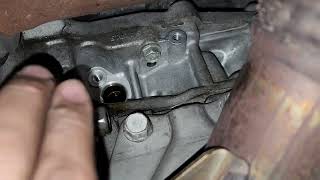
- 3rd & 4th Gen (2007-2015): The sensor is on the lower part of the engine where it meets the transmission, sometimes hidden below the starter. Access is from underneath the vehicle.
Installation Pro-Tip
When installing the new sensor, always use a new O-ring. Apply a small amount of clean engine oil to the O-ring to help it seat properly and prevent leaks. After replacement, some models may require a 'CKP pattern learn' procedure with a scan tool to sync the new sensor with the ECU.
Frequently Asked Questions (FAQ)

What are the most common trouble codes for a bad crank sensor?
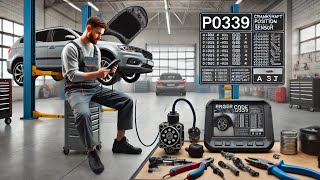
The most common OBD-II codes are P0335 (Crankshaft Position Sensor 'A' Circuit Malfunction/No Signal), P0336 (Circuit Range/Performance), and P0339 (Circuit Intermittent).
Can I drive my CR-V with a bad crankshaft sensor?
It is not recommended. A failing sensor can cause your engine to stall at any time, which is a major safety risk. If the engine won't start, you will be stranded. It is best to get the vehicle repaired as soon as possible.
Do I need a special tool to replace the sensor?
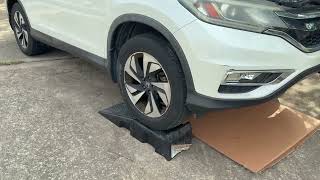
Usually, no special tools are required. The job typically involves a 10mm socket, a ratchet, and extensions. You will also need a jack and jack stands to safely get under the vehicle.
My check engine light is on, but the car drives fine. Could it still be the crank sensor?
Yes. An intermittent failure can log a trouble code without causing constant driveability issues at first. Often, the problem starts with trouble starting when the engine is warm before progressing to more serious symptoms. It's best to address the code before it leaves you stranded.
Are there any recalls for this part on my CR-V?
No, there are no specific recalls for the crankshaft position sensor on 1997-2015 Honda CR-V models. However, a Technical Service Bulletin (TSB) was issued for 2015 models regarding potential connector corrosion.
Helpful Videos


Technical Specifications
OEM Part Numbers: 37500-P72-A01 37500-PNB-003 37500-PNA-003 37500-R40-A01 37500-R60-U01
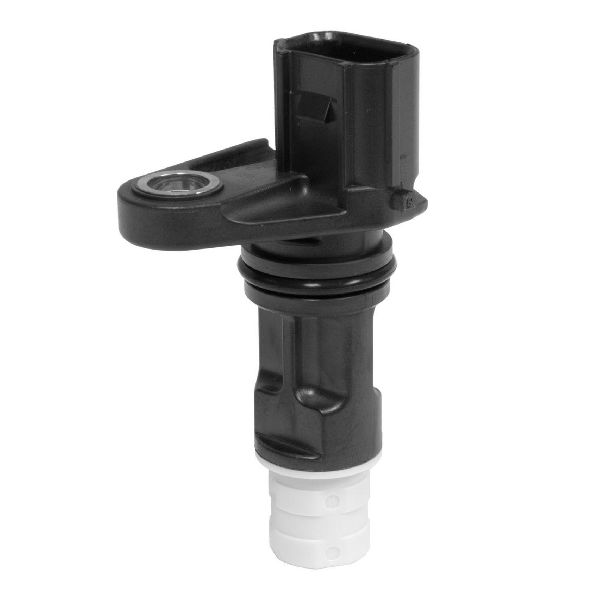
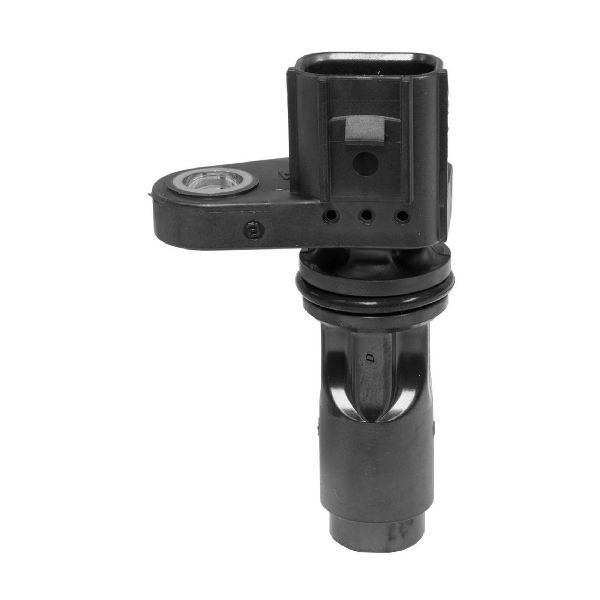
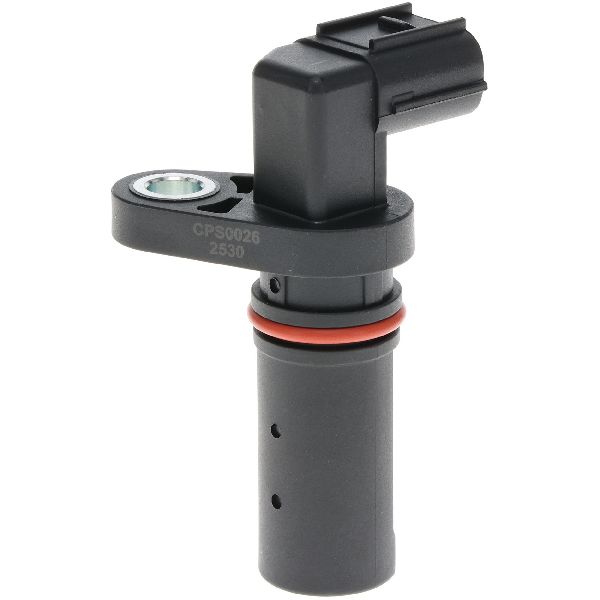
The crankshaft position sensor is a magnetic hall-effect or inductive sensor that generates a signal based on the passing of teeth on a reluctor wheel attached to the crankshaft. It is typically secured by a single 10mm bolt and sealed with a rubber O-ring.
We Have This Part in Stock


The information in this article is provided for general reference and educational purposes only. Vehicle specifications, procedures, and part compatibility can vary by production date, trim level, and region. Always consult your vehicle's factory service manual and verify part numbers before purchasing or performing repairs. Safety-critical components such as airbags, seat belts, and braking systems should be installed by a qualified professional.
- Honda CR-V: