

Ford Expedition Engine Camshaft Position Sensor Guide (1997-2015)
Fix stalling, rough idle, and check engine light issues on your Ford Expedition by understanding this critical sensor.
- A camshaft sensor code (e.g., P0340, P0345) on Triton engines can indicate a deeper issue with cam phasers or timing chains.
- For electronic sensors, investing in a quality OEM (Motorcraft) or premium aftermarket brand is highly recommended over budget parts.
- Replacement is a simple, DIY-friendly job that requires basic tools and can be done in under 30 minutes.
- Driving with a failing sensor is risky, as the engine can stall unexpectedly at any time.
Is Your Expedition Stalling or Running Rough? It Could Be the Camshaft Sensor.

If your 1997-2015 Ford Expedition is experiencing problems like a check engine light, stalling, rough idling, or difficulty starting, a failing engine camshaft position sensor is a common suspect. This sensor provides critical data to your engine's computer. When it fails, the engine doesn't know the precise timing for spark and fuel, leading to a variety of performance issues. This guide will help you understand the symptoms, choose the right replacement part, and know what to expect for the repair.
Important Note for Triton V8 Owners (4.6L & 5.4L)
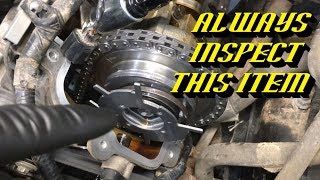
A check engine light code for a camshaft position sensor (like P0340 or P0345) does not always mean the sensor itself is bad. On the Ford Triton engines, these codes can often be the first sign of a more significant problem with the variable camshaft timing (VCT) system, such as failing cam phasers, bad VCT solenoids, or a stretched timing chain. If you replace the sensor and the problem returns, it is highly recommended to have the full timing system inspected 🎬 Watch: Essential inspection steps for Triton V8 timing codes by a qualified mechanic.
Choosing the Right Aftermarket Camshaft Sensor

When it comes to electronic sensors for your Expedition, not all brands are created equal. While budget-friendly options are available, forum discussions with long-time Ford owners often show that using cheap sensors can lead to premature failure and repeated repairs. For a critical part like this, quality should be a priority.
Brand Quality Tiers
- OEM (Original Equipment Manufacturer): Motorcraft is the original part that came with your Ford. It is widely considered the benchmark for fit and reliability and is strongly recommended by many mechanics for this specific repair.
- Premium Aftermarket: Brands like Delphi, Denso, and NGK/NTK have a strong reputation for producing high-quality electronic components that meet or exceed OEM specifications. These are excellent alternatives to the OEM part.
- Quality Aftermarket: Brands such as Standard Ignition (Standard Motor Products) and Dorman offer a reliable product that balances cost and quality. They are a dependable choice for most owners.
- Economy Brands: While the low price is tempting, many lesser-known or store-brand sensors can be inconsistent in quality. They may fail quickly, causing you to do the job all over again. For the small price difference, it's often worth investing in a more reputable brand.
Estimated Costs for Replacement
The cost to replace a camshaft position sensor is relatively low, especially if you do it yourself. The part itself is affordable, and the labor is straightforward.
| Item | Estimated Cost |
|---|---|
| New OEM (Motorcraft) Sensor | $30 - $60 |
| New Aftermarket Sensor | $14 - $57 |
| Shop Labor | $50 - $150 |
| DIY Total | $14 - $60 |
| Shop Total | $64 - $210 |
Frequently Asked Questions

How many camshaft position sensors does my Expedition have?
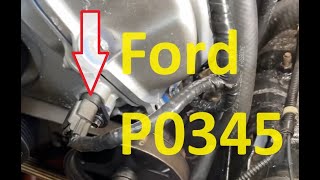
It depends on your engine. The V8 engines (like the 4.6L and 5.4L Triton) used in this generation have two sensors, one for each cylinder head (Bank 1 on the passenger side, Bank 2 on the driver's side). 🎬 See how to diagnose and fix Bank 2 circuit codes The 3.5L EcoBoost V6, introduced in 2015, has four sensors, one for each of the four camshafts.
Where is the camshaft position sensor located?
On the 5.4L V8, the sensors are located on the front of the engine, on the top of each valve cover. They are held in by a single 8mm bolt and are easily accessible. On the 3.5L V6, they are located toward the rear of the cylinder heads.
Is it safe to use a cheap aftermarket sensor?
While it might work temporarily, it is generally not recommended. Many Ford owners and mechanics report that cheap electronic sensors often fail quickly, leading to the same problems returning. Given the risk of stalling, it's wise to invest in a quality part from a reputable brand like Motorcraft, Delphi, or Denso.
Can I replace the sensor myself?
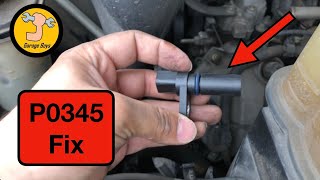
Yes, this is a very DIY-friendly repair. The sensors are typically held in by a single 8mm bolt and are easy to access on the front of the V8 engines. The process involves unplugging the electrical connector, removing the bolt, pulling the old sensor out, and installing the new one. The entire job can often be done in under 30 minutes.
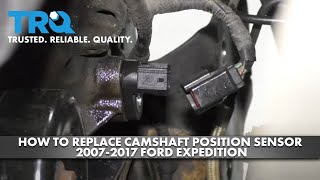
🎬 Watch this step-by-step walkthrough for a sensor replacementIs there a recall for this part?
No, there are no specific NHTSA recalls for the engine camshaft position sensor on the 1997-2015 Ford Expedition. There are, however, customer satisfaction programs and recalls related to the cam *phasers* on some model years, which can sometimes trigger sensor-related fault codes.
Helpful Videos

Technical Specifications
OEM Part Numbers: DU-70 DU-87 7L3Z-6B288-A F7TZ-12K073-B
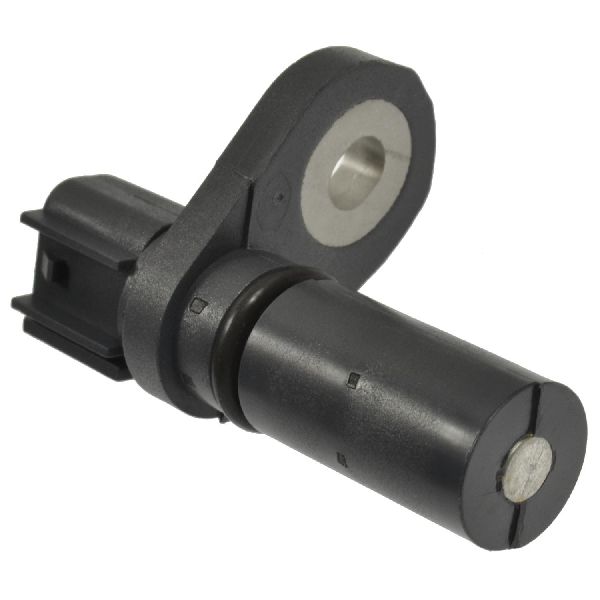
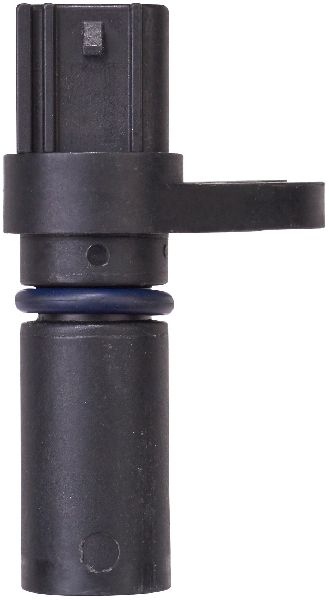
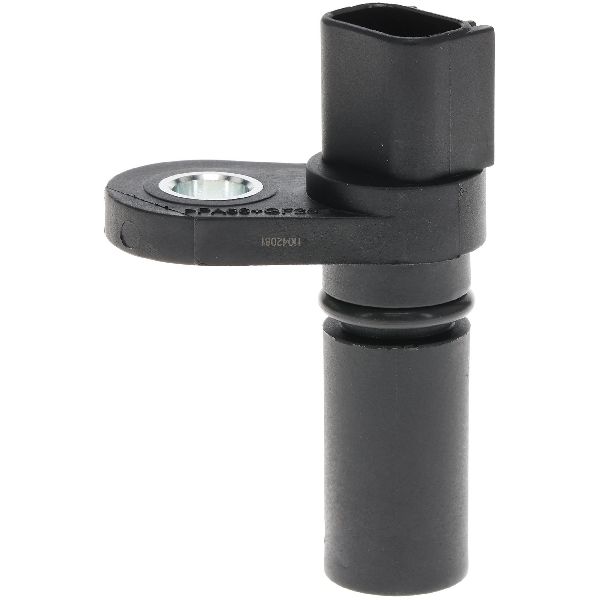
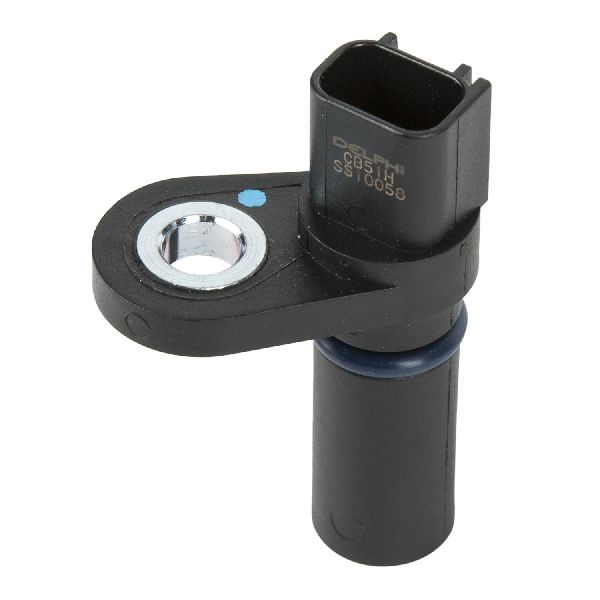
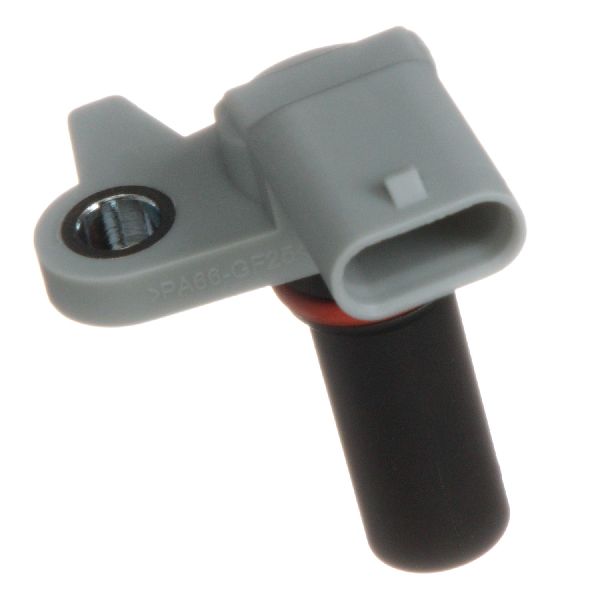
Typically a 2-pin sensor held in by a single 8mm bolt. The number of sensors varies by engine (two for V8s, four for the 3.5L V6).
We Have This Part in Stock


The information in this article is provided for general reference and educational purposes only. Vehicle specifications, procedures, and part compatibility can vary by production date, trim level, and region. Always consult your vehicle's factory service manual and verify part numbers before purchasing or performing repairs. Safety-critical components such as airbags, seat belts, and braking systems should be installed by a qualified professional.
- Ford Expedition: