

A Deep Dive into the 1997-2012 Hyundai Elantra Engine Timing Belt
Don't let a worn timing belt destroy your Elantra's engine; here's what you need to know before it's too late.
- The 2.0L engine in most 1997-2012 Elantras is an interference engine; a broken timing belt will cause catastrophic engine damage.
- The recommended replacement interval is every 60,000 miles or 4-5 years, whichever comes first. Do not ignore this.
- Always replace the timing belt, tensioner, and idler pulleys as a complete kit. It is also highly recommended to replace the water pump at the same time.
- Stick to high-quality aftermarket brands like Gates, Continental, or Aisin for this critical repair to ensure reliability.
The Most Important Part You Can't Ignore

For owners of a 1997-2012 Hyundai Elantra, the engine timing belt is not a part to neglect. Unlike a timing chain, which is designed to last the life of the vehicle, a timing belt is a maintenance item that requires replacement at a specific interval. For most Elantras of this era, that interval is every 60,000 miles or 4-5 years, whichever comes first. The rubber material degrades over time, so the age of the belt is just as important as the mileage.
Critical Warning: Interference Engine
The 2.0L engine used in the majority of these Elantras is an interference engine. This is the most important thing to understand. If the timing belt snaps, the pistons will collide with the engine valves, leading to severe internal damage. The cost to repair this damage often exceeds the value of the car. Proactive replacement is not a suggestion; it's a necessity to avoid destroying your engine.
Symptoms of a Failing Timing Belt

A timing belt can often fail without any warning. That's why sticking to the replacement schedule is so critical. However, sometimes the components associated with the belt, like the tensioner or idler pulleys, will give clues that they are wearing out. Listen for:
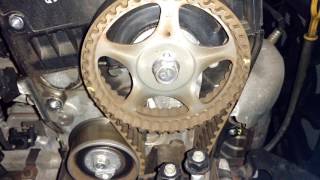
- Ticking or Whining Noises: A rhythmic ticking or a high-pitched whine coming from the front of the engine (behind the plastic timing covers) can signal a bad tensioner pulley or a failing water pump bearing. 🎬 Watch: A complete walkthrough of the water pump and belt replacement.
- Rough Idling or Misfires: If the belt has stretched or slipped a tooth, the engine timing will be off, leading to poor performance, rough idling, and potential engine misfires.
- Engine Won't Start: If the belt has already broken, the engine will crank over but will not start. Do not continue to try and start the engine, as this can cause further damage.
Choosing the Right Aftermarket Timing Belt Kit

When it comes to a critical part like this, quality matters. You should always replace the timing belt as part of a kit. A good kit will include the belt, a tensioner, and idler pulleys. For the Elantra, it is highly recommended to also replace the water pump at the same time, as it is located behind the timing components and requires the same amount of labor to access.
Brand Quality Tiers
Not all aftermarket brands are created equal. For a component this critical, it's wise to stick with reputable manufacturers known for their quality.
- Tier 1 (OEM Quality or Better): Brands like Gates and Continental are often original equipment (OE) suppliers to Hyundai and other automakers. Their kits are considered the gold standard by many professional mechanics. They use high-quality materials like HNBR rubber and aramid reinforcement for durability and heat resistance. Aisin is another top-tier brand highly regarded for its complete kits.
- Tier 2 (Reliable Aftermarket): Brands like Dayco and Cloyes offer reliable timing belt kits that meet or exceed OE specifications. They are a solid choice for DIYers and shops looking for a balance of quality and value. While the belts are generally high quality, some forum users express concern over the non-belt components (tensioners, idlers) in some kits being sourced from various manufacturers.
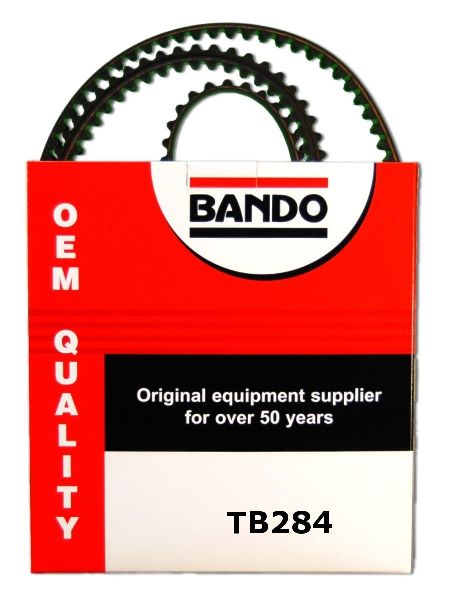
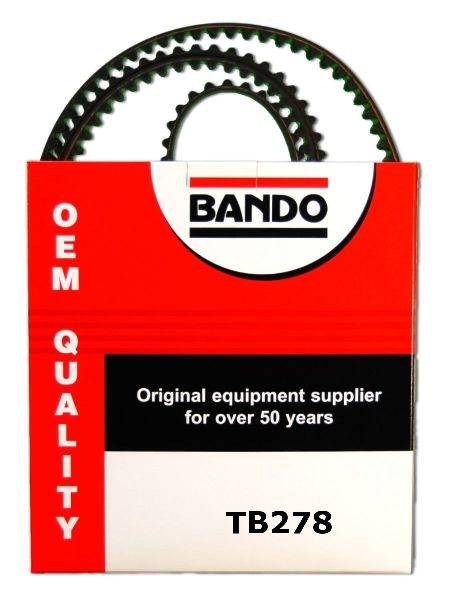
- Tier 3 (Budget-Friendly): Brands like ACDelco (in their Professional line) offer good quality components. Bando is also a known belt manufacturer. While these can be a good value, it's crucial to ensure you are buying a complete kit with all necessary components from a reputable seller.
Pro Tip: Always Buy a Complete Kit with Water Pump
The labor is the most expensive part of a timing belt job. Since the water pump is right there once everything is taken apart, replacing it at the same time is a cheap insurance policy. A water pump failure can leak coolant and ruin your new timing belt, forcing you to pay for the same job twice. Look for kits designated with "TCKWP" 🎬 See this step-by-step guide for the 2.0L Beta engine. (Timing Component Kit with Water Pump).
Known Issues, Recalls, and TSBs

Searches of the National Highway Traffic Safety Administration (NHTSA) database show no specific recalls for engine timing belt failure on the 1997-2012 Hyundai Elantra. The replacement of the belt is considered scheduled maintenance. Always check for any Technical Service Bulletins (TSBs) that may apply to your specific vehicle's VIN, as manufacturers sometimes provide updated service procedures.
| Part/Service | Estimated Cost |
|---|---|
| Aftermarket Timing Belt Kit (Belt, Pulleys, Tensioner) | $60 - $150 |
| Aftermarket Timing Belt Kit with Water Pump | $125 - $250 |
| Shop Labor | $330 - $550 |
| Total Professional Replacement | $450 - $800 |
Frequently Asked Questions (FAQ)
Do I really need to replace the water pump with the timing belt?
Yes, it is highly recommended. The water pump is a wear item located behind the timing belt components. The labor to access it is the same as for the timing belt job itself. Replacing it at the same time prevents you from having to pay for the same labor again if the pump fails later.
🎬 Watch: DIY timing belt replacement including critical torque specifications.Is the Hyundai Elantra engine an interference or non-interference engine?
Most 1997-2012 Elantras with the 2.0L Beta engine have an interference engine. This means if the timing belt breaks, the pistons will hit the valves, causing severe engine damage. This is why on-time replacement is critical.
Can I tell if my timing belt is bad just by looking at it?
Not reliably. A belt can look perfectly fine but be internally weakened and ready to snap. While a visual inspection might show cracks or fraying on a severely worn belt, the absence of these signs does not mean the belt is good. Always follow the mileage and time-based replacement interval.
What's the difference between a timing belt and a timing chain?
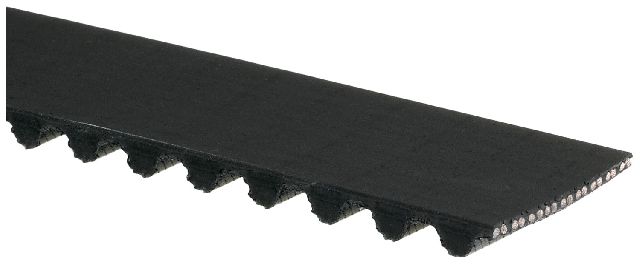
A timing belt is a toothed rubber belt, while a timing chain is a metal chain, similar to a bicycle chain. Belts are quieter and cheaper to produce but require periodic replacement. Chains are designed to last the life of the engine but can still stretch or have tensioner issues over time. Most 1997-2010 Elantras use a timing belt, while some 2011-2012 models with the 1.8L Nu engine switched to a timing chain. Always verify what your specific car has.
Helpful Videos

Technical Specifications
OEM Part Numbers: 24312-23202 24312-23050 24312-33150 24312-33140 24312-33130 24312-33120 24312-33060 24312-33050 24312-33030 24312-33020
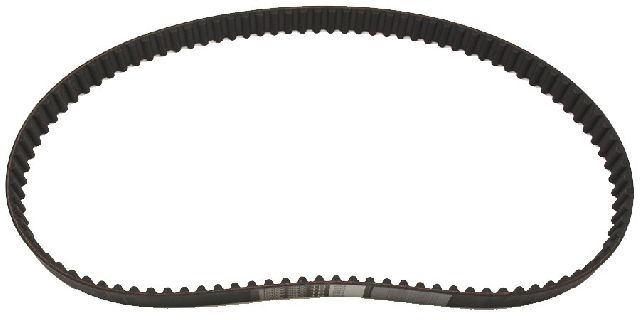
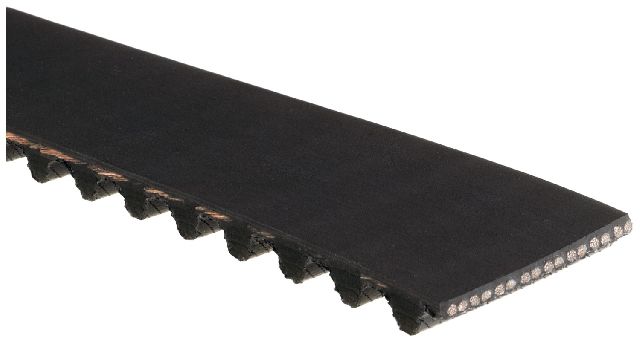
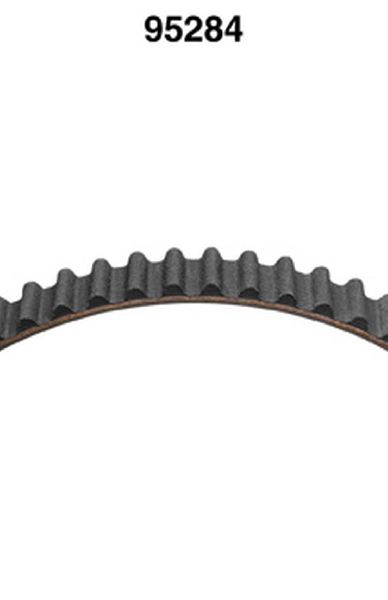
The timing belt for the 2.0L engine typically has 113 teeth and is approximately 25mm wide. Belts are made from High-Temperature Hydrogenated Nitrile Butadiene Rubber (HNBR) for durability and resistance to heat and oil.
We Have This Part in Stock

The information in this article is provided for general reference and educational purposes only. Vehicle specifications, procedures, and part compatibility can vary by production date, trim level, and region. Always consult your vehicle's factory service manual and verify part numbers before purchasing or performing repairs. Safety-critical components such as airbags, seat belts, and braking systems should be installed by a qualified professional.
- Hyundai Elantra: