

Toyota Camry Relay Guide for 1997-2009 Models
Learn about the small but essential relays that control your Camry's electrical systems.
- A bad relay often causes a no-start condition (starter relay, fuel pump relay) or a non-working A/C.
- Always check the corresponding fuse before replacing a relay.
- You can temporarily swap a suspect relay with a known good one (like the horn relay) to diagnose the problem.
- Aftermarket relays are a cost-effective and reliable alternative to more expensive OEM parts for this component.
Understanding Relay Failure in Your Camry

Relays are simple, but they can fail over time. The internal contacts can wear out from repeated use, or corrosion can build up and prevent a good connection. When a relay fails, the component it controls will stop working completely or work intermittently. For example, a bad starter relay can prevent your car from starting, while a faulty A/C relay will stop the compressor from engaging.
Common Relay Problems in the 1997-2009 Toyota Camry

Based on owner reports and mechanic diagnoses, the most common relays to fail in this generation of Camry are:
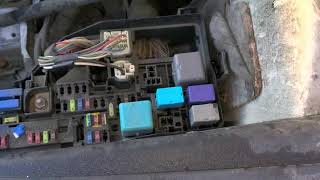
- Starter Relay: This is a frequent issue. Symptoms include a single click or no sound at all when you turn the key, even though the battery is good. Sometimes tapping on the relay can temporarily 🎬 Watch this guide on troubleshooting the starter relay and fuses. fix the connection.
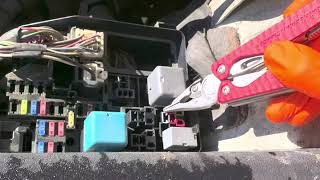
- Fuel Pump Relay (C/OPN Relay): A failure here will cause the engine to crank but not start because no fuel is being delivered. You might notice you can't hear the familiar hum of the fuel pump when you first 🎬 See how to test and replace your fuel pump relay. turn the key.
- A/C Magnetic Clutch Relay (MGC): If your A/C blows warm air but the fans work, the magnetic clutch relay could be the culprit. It's responsible for engaging the A/C compressor.
Pro Tip: Swap Relays to Diagnose
Your Camry's fuse box often contains several identical relays. For example, the horn relay is often the same type as the A/C or starter relay. As a quick test, you can swap a known good relay (like the one for the horn) with a suspect relay to see if the problem moves. If your A/C starts working but your horn doesn't, you've found the bad relay. This is a temporary diagnostic step only.
Choosing an Aftermarket Relay

For a common part like a relay, an aftermarket replacement is a very practical choice. OEM (Original Equipment Manufacturer) relays from Toyota can be expensive. Aftermarket brands like Replacement offer a direct-fit, functional equivalent at a much lower cost. Since relays are generally reliable components, a standard aftermarket part is often sufficient for most repairs, providing a good balance of quality and value without the high dealer price tag.
Relay Replacement Cost for 1997-2009 Toyota Camry
| Part Type | Estimated Cost |
|---|---|
| New Aftermarket Relay | $18 - $20 |
| New OEM Relay | $40 - $75+ |
| Shop Labor | $50 - $100 |
Frequently Asked Questions

Where are the relays located on my Camry?
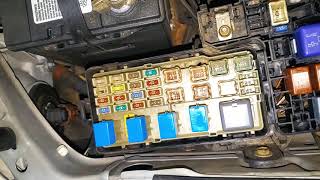
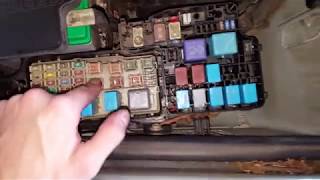
Your Camry has at least two fuse/relay boxes. The main one is in the engine compartment, usually near the battery. This box contains the relays for the starter, fuel pump, A/C, and fans. There is also an interior fuse panel, typically located under the driver's side dashboard, which contains fuses and smaller relays for interior electronics. The underside of the fuse box cover has a diagram showing the location and function of each fuse and relay.
Can I replace a relay myself?
Yes, replacing a relay is one of the easiest DIY tasks. They are designed to be unplugged and plugged in without any tools, similar to a fuse. Simply locate the correct relay using the diagram on the fuse box cover, pull the old one straight out, and push the new one in firmly. Sometimes they can be snug, so a gentle wiggle may be needed.
Is there a recall for relays on the 1997-2009 Camry?
No, there are no specific recalls issued by the NHTSA for relay failures on the 1997-2009 Toyota Camry. While some owners report issues with specific relays, it has not led to a widespread safety recall. A recall was issued for the 1997 model year related to the key interlock solenoid, an electrical component, but not for the main power relays.
What's the difference between a fuse and a relay?
A fuse is a safety device that burns out to protect a circuit from too much electrical current. It's a one-time use part. A relay is a switch that turns a circuit on and off. If a component isn't working, it's always a good idea to check the fuse first, as it's the simplest and cheapest part to replace.
Helpful Videos
Technical Specifications
OEM Part Numbers: 90987-02028 90987-02022 90080-87026
Relays are typically 4-pin or 5-pin electro-mechanical switches. The specific relay needed (e.g., starter, fuel pump, A/C) will be indicated on the vehicle's fuse box diagram.

The information in this article is provided for general reference and educational purposes only. Vehicle specifications, procedures, and part compatibility can vary by production date, trim level, and region. Always consult your vehicle's factory service manual and verify part numbers before purchasing or performing repairs. Safety-critical components such as airbags, seat belts, and braking systems should be installed by a qualified professional.
- Toyota Camry: