

Ford F-150 (1997-2009) Engine Crankshaft Position Sensor Guide
Understand the symptoms of a failing crankshaft position sensor and how to choose the right replacement for your F-150.
- A no-start condition where the engine cranks is the most definitive symptom of a failed sensor.
- For V8 engines, the A/C compressor must be moved to access the sensor, adding complexity to the job.
- Stick with Motorcraft (OEM) or reputable aftermarket brands like Delphi or Denso for this critical part.
- A failing sensor can cause dangerous stalling; address symptoms promptly.
Is Your F-150's Crankshaft Position Sensor Failing?

A bad crankshaft position sensor can cause a range of problems, from annoying to leaving you stranded. Because it's so important for engine timing, a failure can mimic other issues, but some symptoms are very common for a bad CKP sensor in the 1997-2009 F-150.
Key Symptoms of Failure
🎬 Watch: 6 common symptoms and what a replacement costs- Engine Won't Start: This is a classic sign. The engine will crank over, but it won't fire up because the PCM isn't getting the signal it needs to time the spark and fuel.
- Stalling: The engine may stall unexpectedly while driving or when coming to a stop. This can be intermittent, making it tricky to diagnose.
- Rough Idle and Misfires: An erratic signal can cause the engine to run rough, vibrate, or misfire because 🎬 Watch a pro diagnose a 5.4L misfire using the sensor the ignition and fuel timing are off.
- Check Engine Light: A failing sensor will often trigger the Check Engine Light. Common trouble codes include P0320 (Ignition/Distributor Engine Speed Input Circuit) and P0335 (Crankshaft Position Sensor 'A' Circuit). A P0340 code, while for the camshaft sensor, can sometimes be triggered by a faulty crankshaft sensor as well.
- Poor Acceleration: You might notice your truck feels sluggish or lacks power because the PCM can't properly adjust timing under load.
Don't Ignore a Stalling Engine
An engine that stalls while driving is a serious safety risk. If your F-150 is stalling unexpectedly, it's best to get it diagnosed and repaired as soon as possible.
OEM vs. Aftermarket Sensors for Your F-150

When replacing the crankshaft sensor, you have a choice between OEM (Motorcraft) and various aftermarket brands. For a critical sensor like this, quality matters.
- OEM (Motorcraft): Generally considered the most reliable option. These are the parts your truck was built with and are recommended by Ford. They are the most expensive, but offer peace of mind.
- Premium Aftermarket (Delphi, Denso, NGK/NTK, Standard Ignition): These brands are often OEM suppliers for various manufacturers and have a strong reputation for quality that is often comparable to OEM. They are a solid choice for a reliable repair without the full OEM price tag.
- Standard Aftermarket (Dorman, Walker, Spectra): These brands offer a more budget-friendly option. While many users have success with them, sensors are a part where quality control is paramount. For a part that can leave you stranded, spending a little more on a premium brand is often a wise investment.
Pro Tip: Forum discussions with experienced F-150 owners often recommend sticking with Motorcraft or a top-tier aftermarket brand like Delphi or Denso for critical electronic sensors to avoid premature failure and frustrating diagnostic chases.
Replacement Cost
The cost to replace the crankshaft position sensor varies based on the part brand and labor rates. Doing it yourself can save a significant amount of money.
| Item | Estimated Cost |
|---|---|
| New Aftermarket Sensor | $18 - $48 |
| New OEM (Motorcraft) Sensor | $50 - $100+ |
| Shop Labor | $100 - $250 |
Frequently Asked Questions

Where is the crankshaft position sensor on a 1997-2009 F-150?
The location depends on your engine. For V6 (4.2L) engines, it's typically on the front timing chain cover, above the main crankshaft pulley. For V8 (4.6L, 5.4L) engines, it's located on the lower passenger side of the engine, often tucked behind the A/C compressor.
Can I replace the sensor myself?
Yes, this is a DIY-feasible job for many home mechanics. On V8 models, the A/C compressor must be unbolted and moved aside (without disconnecting the lines) to access the sensor, which makes the job more involved. The sensor itself is typically held in by a single bolt.
🎬 See this step-by-step replacement guide for 2004-08 modelsAre there any recalls for this part?
As of late 2023, there are no specific, widespread recalls on the crankshaft position sensor itself for the 1997-2009 Ford F-150. Always check the NHTSA website with your VIN for the most up-to-date recall information.
Do I need to perform a 'relearn' procedure after replacement?
For most 1997-2009 models, a specific relearn procedure is not typically required after just replacing the sensor. The PCM will adapt after a few start cycles. However, if the PCM has been reprogrammed or other major work was done, a crankshaft position variation relearn might be needed, which requires a dealer-level scan tool.
Helpful Videos

Technical Specifications
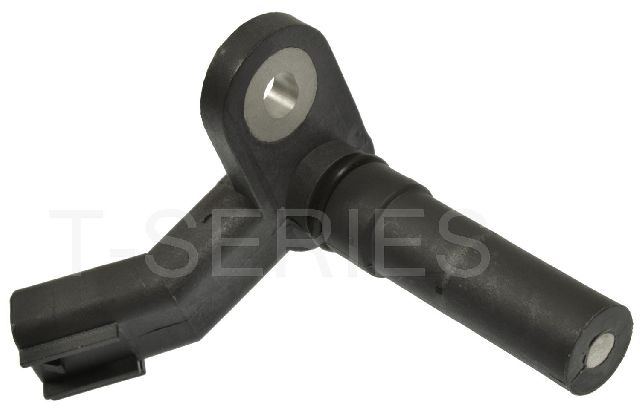
OEM Part Numbers: DY-985 DY-922
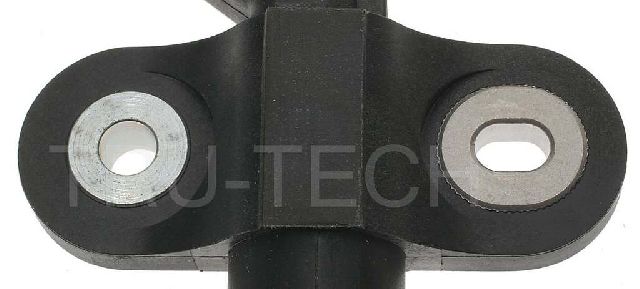
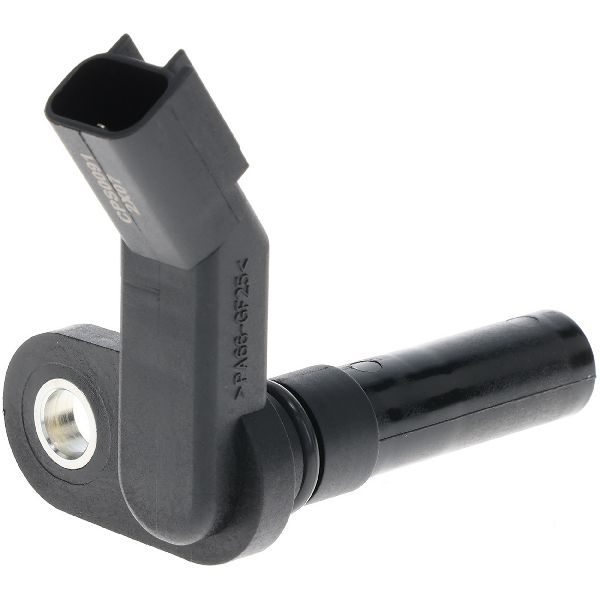
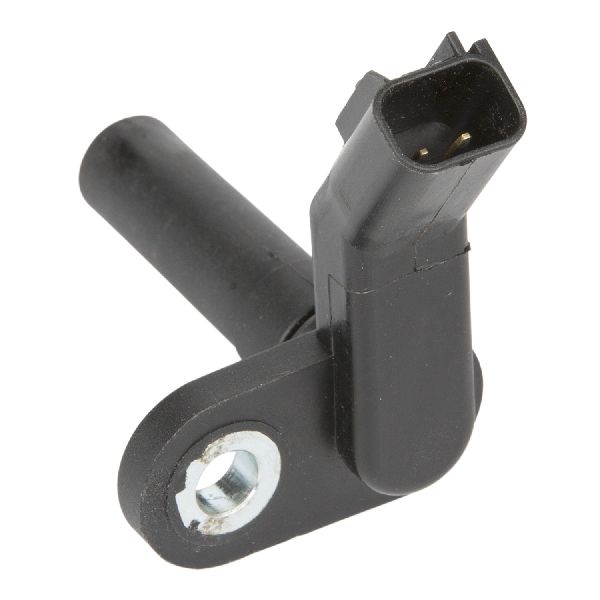
The sensor is a hall-effect or inductive sensor that reads a toothed reluctor wheel on the crankshaft to determine engine speed and position. It is typically secured by one 8mm or 10mm bolt.
We Have This Part in Stock


The information in this article is provided for general reference and educational purposes only. Vehicle specifications, procedures, and part compatibility can vary by production date, trim level, and region. Always consult your vehicle's factory service manual and verify part numbers before purchasing or performing repairs. Safety-critical components such as airbags, seat belts, and braking systems should be installed by a qualified professional.
- Ford F-150: