

Pontiac Grand Prix Ignition Control Module Guide (1997-2008)
Experiencing stalling or a no-start condition in your Grand Prix? Your ignition module might be the culprit.
- A bad ignition module is a very common cause of stalling and no-start issues in the 1997-2008 Grand Prix.
- Symptoms often mimic a bad ignition coil; a misfire on two cylinders at once points strongly to the module.
- For reliability, choose an OEM-equivalent aftermarket brand like Delphi.
- This is a DIY-friendly repair that can be completed in under an hour with basic tools.
Is Your Grand Prix Stalling or Refusing to Start?

A failing ignition control module (ICM) is a very common problem on the 1997-2008 Pontiac Grand Prix, especially those with the 3.8L V6 engine. When this part fails, it can leave you stranded without warning. The ICM is an electronic component that gets hot and cools down with every drive cycle. Over many years, this stress can cause the internal circuits to fail, leading to a variety of engine problems.
Known Issue: Coils vs. Module
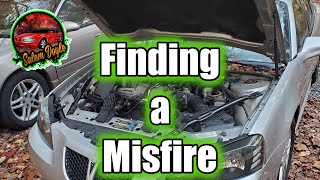
The symptoms of a bad ignition module are nearly identical to those of a bad ignition coil. Many owners replace the coils only to find the module was the real problem. On the V6 engine's waste-spark system, a single failed driver in the ICM will cause a misfire on two cylinders at once (e.g., cylinders 2 and 5). If you have a misfire on a specific pair of cylinders, the ICM is a likely suspect.
Choosing the Right Aftermarket Ignition Module

When it comes to critical electronics like the ICM, quality matters. While original ACDelco parts are available from dealers, several aftermarket brands offer reliable alternatives.
- Tier 1 (OEM-Equivalent): Brands like Delphi are a top choice. Delphi was an original equipment manufacturer for GM, and their parts are often considered to be of the same quality as the original ACDelco part. For a daily driver, this tier offers the best combination of reliability and value.
- Tier 2 (Reputable Aftermarket): Brands like Standard Motor Products (SMP) and Duralast from major auto parts stores offer a good balance of price and quality, often with lifetime warranties. They are a viable option for a budget-conscious repair.
- Tier 3 (Budget Brands): While very low-priced options exist online, their long-term reliability can be questionable. Given the critical role of the ICM, which can cause stalling, it is often wise to invest in a more reputable brand.
Pro Tip: Before installing your new ignition module, apply a small amount of dielectric grease to the electrical connector pins. This helps prevent corrosion and ensures a good connection. Also, check that the ground connection for the module bracket is clean and tight.
Cost of Replacing a Grand Prix Ignition Module
| Part Type | Estimated Cost |
|---|---|
| New Aftermarket | $70 - $150 |
| New OEM (ACDelco) | $150 - $250+ |
| Shop Labor | $75 - $110 |
Cost estimates are approximate and can vary by location and supplier.
Important Recalls for Grand Prix Owners

While there are no recalls specifically for the ignition module, two major safety recalls affect these vehicles:
- Ignition Switch Recall (2004-2008 models): NHTSA campaign 14V400000 addresses an issue where the ignition switch can accidentally move out of the 'run' position, causing the engine to stall and disabling the airbags. This is caused by the mechanical switch, not the electronic module, but results in similar stalling symptoms.
- Engine Fire Risk (1997-2003 Supercharged GTP models): A recall was issued because engine oil could leak onto the hot exhaust manifold, potentially causing an engine fire.
You can check if your vehicle is affected by entering your VIN on the NHTSA website.
Frequently Asked Questions

How difficult is it to replace the ignition module myself?
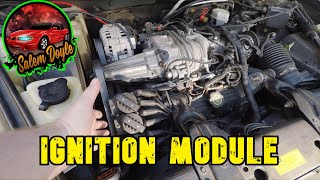
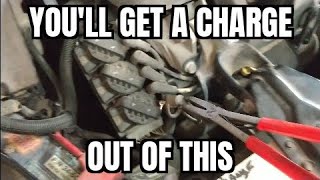
For most V6 models, this is a beginner-friendly job that takes less than an hour. The module is located directly under the ignition coils. The process involves removing the spark plug wires, unbolting the coil pack assembly (usually with a 5.5mm socket), and then unplugging and unbolting the module itself (often with a 7mm socket).
Do I need to replace the ignition coils at the same time?
It is not required, but it is good preventative maintenance. The coils and module are subjected to the same heat and age. If you have high mileage, replacing the coils along with the module can save you from having to do a similar job again in the near future. At a minimum, inspect the coils for any cracks or signs of arcing.
Can a bad ignition module cause my 'Check Engine' light to come on?
Yes, absolutely. A failing ICM will almost always cause engine misfires, which will trigger the Check Engine Light. Common trouble codes include P0300 (Random Misfire) or specific cylinder misfire codes (P0301-P0306). A flashing Check Engine Light is a sign of a severe misfire that can damage your catalytic converter, and you should stop driving the vehicle.
Will a new ignition module fix my no-spark problem?
It is a very common cause of a no-spark condition on these cars. However, a no-spark issue can also be caused by a failed crankshaft position sensor, bad wiring, or a faulty ground connection. While the ICM is a likely culprit, a full diagnosis is always the best approach.
Helpful Videos
Technical Specifications
OEM Part Numbers: 10489422 19179581
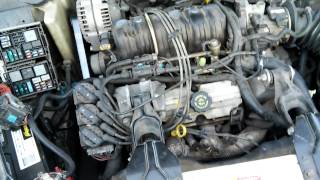
Located under the ignition coil pack on 3.1L and 3.8L V6 engines. Controls spark timing for the waste-spark ignition system.

The information in this article is provided for general reference and educational purposes only. Vehicle specifications, procedures, and part compatibility can vary by production date, trim level, and region. Always consult your vehicle's factory service manual and verify part numbers before purchasing or performing repairs. Safety-critical components such as airbags, seat belts, and braking systems should be installed by a qualified professional.
- Pontiac Grand Prix: