

Chevrolet Corvette Crankshaft Position Sensor: A 1997-2008 C5 & C6 Guide
Diagnose and choose the right new aftermarket crankshaft position sensor for your C5 or C6 Corvette.
- Due to difficult access behind the starter, always use a high-quality OEM brand like ACDelco or Delphi to avoid repeat labor.
- A 'Crankshaft Variation Relearn' procedure with a proper scan tool is mandatory after replacement to avoid performance issues.
- Symptoms range from a Check Engine Light (P0335) and rough idle to a critical no-start condition that can leave you stranded.
- The sensor is on the lower passenger side of the block; the starter must be moved to access it.
Is Your Corvette's Crankshaft Position Sensor Failing?

A bad crankshaft position sensor (often called a CKP sensor) can cause major headaches for 1997-2008 Corvette owners. Symptoms often start small but can quickly lead to a no-start condition that leaves you stranded. Because the sensor is located in a hard-to-reach spot, it’s a job you only want to do once.
Key Symptoms of a Bad Crank Sensor
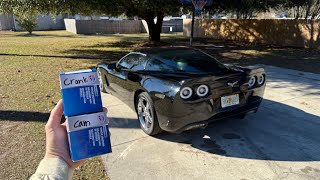
- Engine Cranks but Won't Start: 🎬 Watch a diagnostic walkthrough for a crank-no-start condition. This is the most definitive symptom. The engine turns over but never fires up because the ECM isn't receiving a signal from the sensor. This problem can be intermittent, sometimes only happening when the engine is hot.
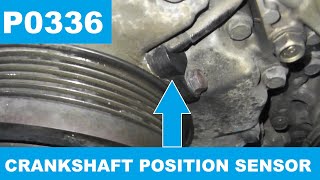
- Check Engine Light: A failing sensor will almost always trigger a Check Engine Light. The most common trouble code is P0336.
- Engine Stalling: The engine may die unexpectedly while driving or idling.
- Rough Idle and Misfires: Your Corvette may idle poorly, vibrate, or misfire as the ECM struggles with an erratic sensor signal.
- Dead Tachometer: The RPM gauge on your instrument cluster may drop to zero or behave erratically, even while the engine is running.
Access is Difficult: Choose Your Replacement Part Wisely
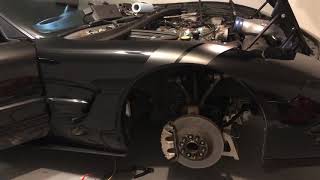
The crankshaft position sensor on the C5 and C6 Corvette is located on the lower passenger side of the engine block, tucked away behind the starter motor. To replace it, the starter must be unbolted and moved, which can be a challenging job. 🎬 See this replacement walkthrough on a C6 Corvette. Because of the difficult labor, it is highly recommended to use a top-quality sensor to avoid doing the job a second time.
Choosing the Right Aftermarket Crankshaft Sensor

When it comes to critical sensors, not all brands are created equal. For a part this difficult to access, the smart choice is to prioritize quality over price.
Tier 1: OEM / OES Brands (Highly Recommended)
- ACDelco: As the original equipment manufacturer for GM, this is the benchmark for quality and reliability.
- Delphi: Delphi was the original GM parts division and manufactured many of the original sensors. It is widely considered to be OEM-quality and is a trusted choice among Corvette enthusiasts.
Tier 2: Reputable Aftermarket Brands
- NGK (NTK): A well-respected brand known for quality electronics.
- Hitachi: Another supplier of OEM parts to many automakers, known for reliable sensors.
- Standard Ignition (SMP): A long-standing aftermarket brand with a reputation for producing quality components.
Tier 3: Economy Brands (Use with Caution)
- Dorman, True Tech, Store Brands: While these brands offer a lower price, reviews can be mixed. Some owners report parts failing prematurely or being defective out of the box. Given the labor involved in this specific repair, saving a few dollars on a budget sensor could cost you much more in the long run if you have to do the job again.
Don't Forget the Relearn Procedure!
After replacing the sensor, your Corvette requires a "Crankshaft Variation Relearn" (also known as a CASE relearn). This procedure calibrates the new sensor to the engine's computer. If you skip this step, you may experience a persistent Check Engine Light, rough running, or an inaccurate tachometer, even with a perfectly good new sensor. This procedure must be performed with a professional scan tool like a GM Tech2.
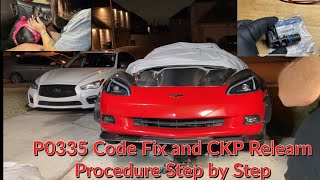
🎬 Watch: How to perform the mandatory CKP relearn procedure.Estimated Replacement Costs
| Item | Estimated Cost |
|---|---|
| New Aftermarket Part | $27 - $97 |
| New OEM Part (ACDelco/GM) | $75 - $120 |
| Shop Labor | $180 - $375 |
| Total Professional Installation | $207 - $472 |
Cost estimates are approximate and can vary by location and repair shop.
Frequently Asked Questions (FAQ)

Where is the crankshaft position sensor located on a 1997-2008 Corvette?
It is on the lower passenger side of the engine block, positioned just above and behind the starter motor. You will need to remove or lower the starter to access it.
Is a "crank relearn" absolutely necessary after replacement?
Yes. The Crankshaft Variation Relearn procedure is required to sync the new sensor with the ECM. Skipping it can lead to performance issues and a Check Engine Light. A repair shop or anyone with a bi-directional scan tool can perform this service.
Can I use a cheap sensor for my Corvette?
You can, but it is strongly advised against. The labor to access the sensor is significant. Using a low-quality part that might fail prematurely means you will have to pay for that difficult labor all over again. Investing in a quality part from ACDelco or Delphi is the recommended approach.
Are there any recalls for the C5 or C6 Corvette crankshaft sensor?
No specific recalls were found for the crankshaft position sensor on the 1997-2008 Chevrolet Corvette during our search. Failures are typically due to age, heat, and normal wear.
Helpful Videos
Technical Specifications
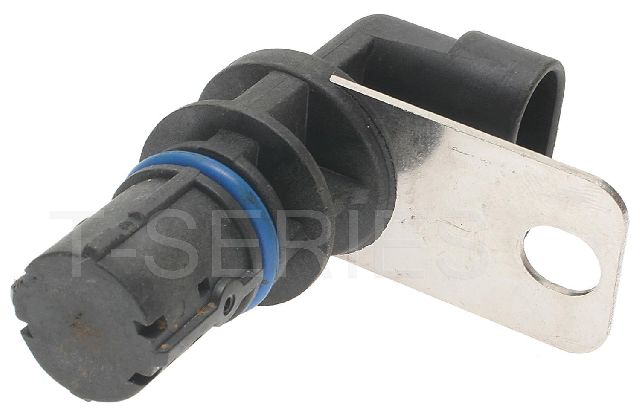
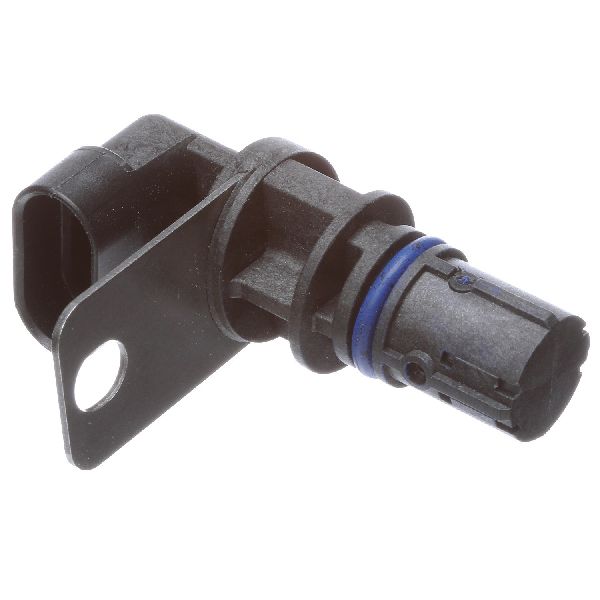
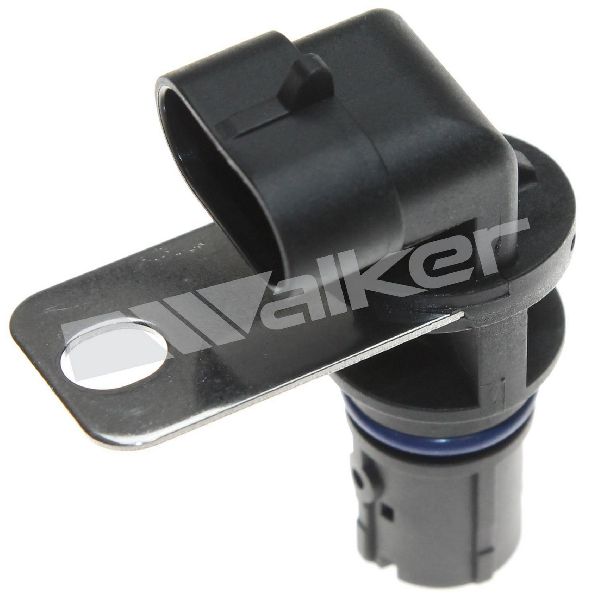
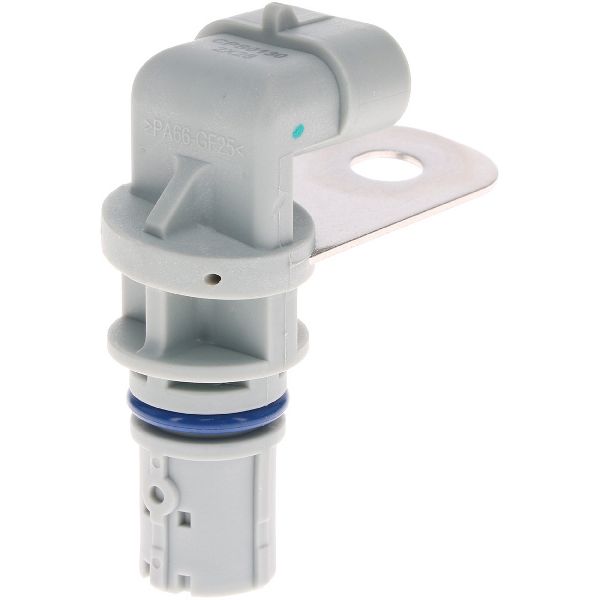
OEM Part Numbers: 12560228 213-354 12712848
Fits 1997-2008 Chevrolet Corvette models with LS1, LS6, LS2, LS3, and LS7 engines. The sensor design and reluctor wheel changed between engine generations (24x for LS1/LS6 vs 58x for LS2/LS3/LS7), so ensure you order the correct part for your specific year and engine.
We Have This Part in Stock


The information in this article is provided for general reference and educational purposes only. Vehicle specifications, procedures, and part compatibility can vary by production date, trim level, and region. Always consult your vehicle's factory service manual and verify part numbers before purchasing or performing repairs. Safety-critical components such as airbags, seat belts, and braking systems should be installed by a qualified professional.
- Chevrolet Corvette: