

Mack CL Radiator Coolant Hose: A Guide for the 1997-2007 Model Years
Keep your Mack CL's engine cool and avoid a costly breakdown by understanding its radiator hoses.
- A failing radiator hose can cause catastrophic engine damage; do not drive if you suspect a major leak or failure.
- Inspect hoses regularly for leaks, cracks, and swelling; replace them proactively every 4-5 years to prevent roadside breakdowns.
- Quality aftermarket brands like Dayco and Gates are reliable and cost-effective alternatives to expensive OEM hoses.
- Always replace hose clamps when you replace the hoses to ensure a proper, leak-free seal.
Signs of a Failing Radiator Hose
A bad radiator hose on your Mack CL is a serious issue. A complete failure can leave you stranded and lead to expensive engine repairs. During your regular vehicle inspections, keep a sharp eye out for these warning signs:
- Coolant Leaks: This is the most obvious sign. Look for puddles of green, yellow, or pink fluid under the front of your truck. You might also notice a sweet smell after the engine has been running. Check the ends of the hoses for crusty, white, or colored residue, which indicates a slow leak.
- Visible Hose Damage: Hoses wear out from the inside and outside. Squeeze the hoses when the engine is cold. If they feel soft, spongy, or mushy, they are failing. Look for cracks, splits, or abrasions. A hose that is swollen or bulging is weak and could burst under pressure at any time.
- Engine Overheating: If your temperature gauge is climbing into the red, a failing hose could be the culprit. A collapsed hose can block the flow of coolant entirely, leading to rapid overheating.
- Low Coolant Level: If you have to add coolant to the reservoir often, you have a leak somewhere in the system. The radiator hoses are one of the most common places for these leaks to occur.
Do Not Ignore a Bad Hose
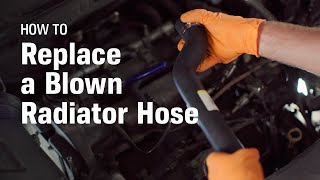
🎬 Watch this step-by-step video on replacing a blown hoseA small leak or a bulging hose might not seem like a big deal, but it's a time bomb. The cost of a new hose is tiny compared to a tow bill and an emergency engine repair on the road.
Choosing the Right Aftermarket Hose: Dayco vs. Gates
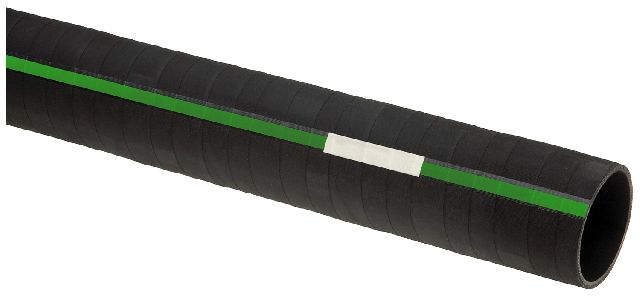
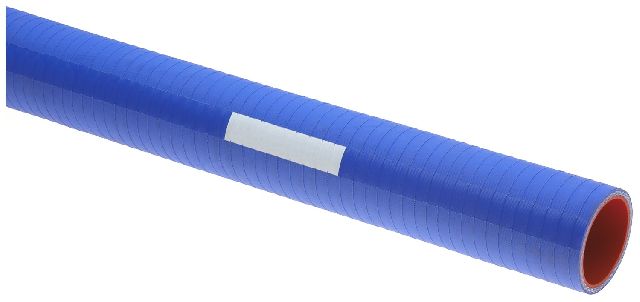
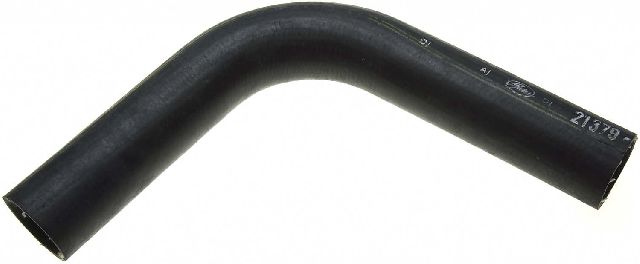
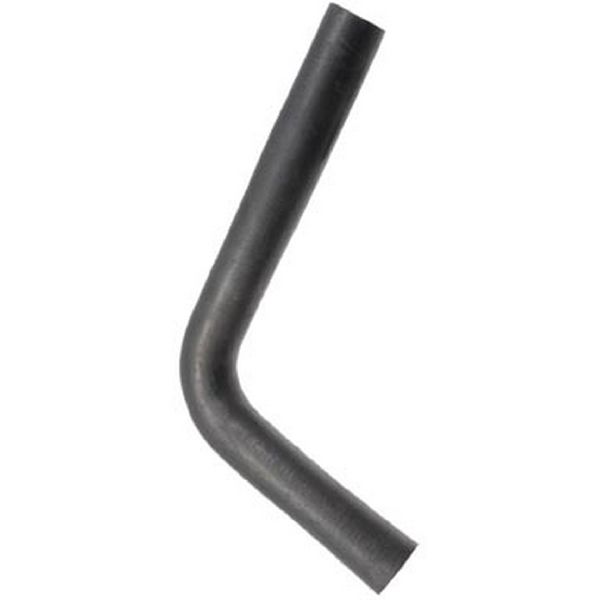
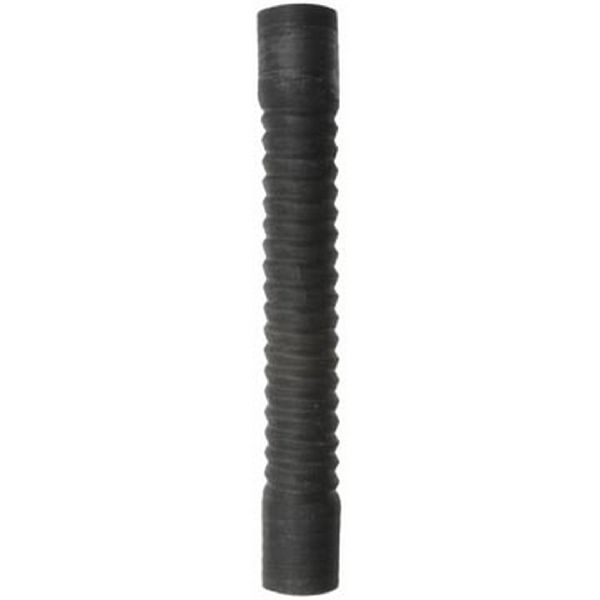
For the 1997-2007 Mack CL, you don't need to pay high dealer prices for a quality radiator hose. Reputable aftermarket brands offer parts that meet or exceed original specifications. The two main players you will find are Dayco and Gates.
Based on feedback from mechanics and truck owners, both Dayco and Gates are considered reliable, quality brands for heavy-duty applications. There is no clear winner between the two, as both have a long history of making durable rubber products.
- Some users feel that Dayco hoses are slightly thicker, which they prefer.
- Others prefer Gates, sometimes citing that their fit and form are a closer match to the original part.
Pro Tip: With any aftermarket hose, the most important factor after quality is fitment. Before installing, hold the new hose next to the old one you just removed. Make sure the bends and length are the same to prevent kinks or rubbing, which can cause premature failure.
Known Issues, Recalls, and Service Bulletins
Searches of the National Highway Traffic Safety Administration (NHTSA) database and other technical sources show no specific recalls or widespread technical service bulletins (TSBs) for radiator coolant hoses on the 1997-2007 Mack CL. While other Mack models have had service campaigns for cooling system parts, this specific component on this model year range has proven to be reliable without known factory defects.
Estimated Costs for Radiator Hose Replacement
| Part or Service | Estimated Cost |
|---|---|
| New Aftermarket Hoses (e.g., Dayco, Gates) | $26.59 - $130.77 per hose |
| Shop Labor | $150 - $300 |
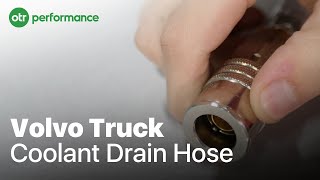
| Total Estimated Cost (Parts + Labor) 🎬 Learn how to drain coolant properly on Mack trucks | $177 - $431+ |
Cost estimates are for reference only and may vary based on your location, the specific hose needed (upper, lower, etc.), and local labor rates.
Frequently Asked Questions (FAQ)
If one hose is bad, should I replace them all?
Yes. It is highly recommended. All the hoses on your truck are the same age and have been exposed to the same heat and pressure. If the upper hose has failed, the lower hose is likely near the end of its life too. Replacing all radiator hoses at once is smart preventive maintenance that saves you from another breakdown in the near future.
Should I replace the hose clamps, too?
Absolutely. Old hose clamps can lose their tension over time or corrode, leading to leaks even with a new hose. Spring-style clamps are often preferred because they maintain constant tension as the hose connection heats and cools. New clamps are inexpensive and ensure a secure, leak-free seal.
How often should I replace my radiator hoses?
For a heavy-duty truck like the Mack CL, a good rule is to inspect hoses at every service interval. Plan on proactively replacing them every 4 to 5 years or every 100,000 miles to prevent failures on the road. If a hose feels brittle, soft, or looks swollen, replace it immediately, regardless of its age.
What kind of coolant should I use in my Mack CL?
Always use the coolant type specified for your Mack engine. Using the wrong type can cause corrosion and long-term damage to your cooling system. Check your owner's manual or service guide for the correct coolant specification. When you change a hose, you will lose some coolant, making it a perfect time to top off or flush the system with fresh, correct fluid.
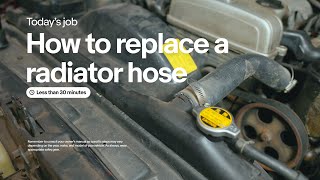
🎬 Watch how to perform a full diesel cooling system flushHelpful Videos

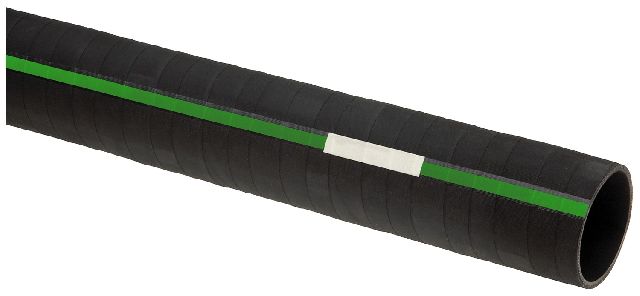
We Have This Part in Stock

The information in this article is provided for general reference and educational purposes only. Vehicle specifications, procedures, and part compatibility can vary by production date, trim level, and region. Always consult your vehicle's factory service manual and verify part numbers before purchasing or performing repairs. Safety-critical components such as airbags, seat belts, and braking systems should be installed by a qualified professional.
- Mack CL: